Standing Water Near Foundations Creates Breeding Opportunities
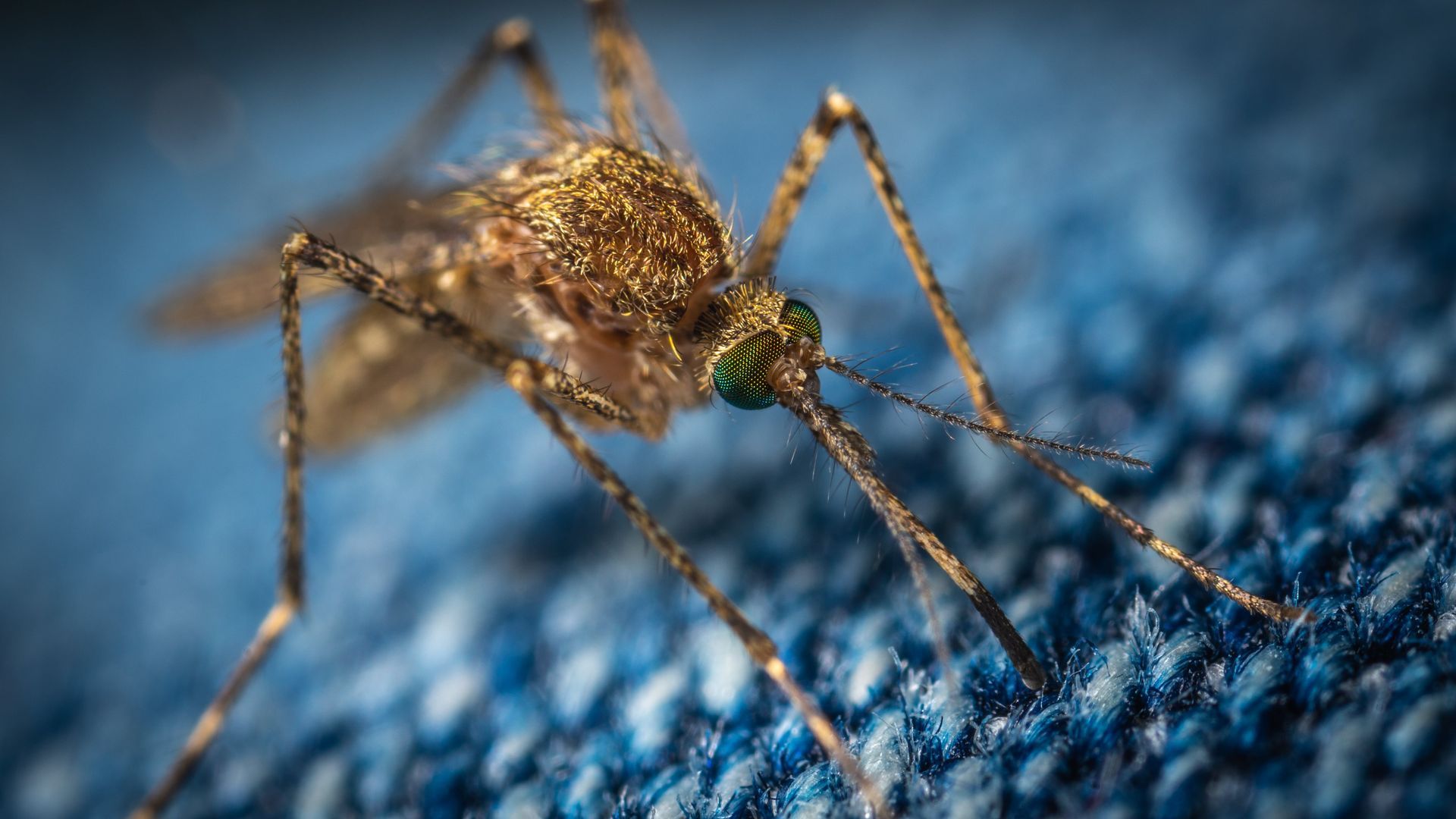
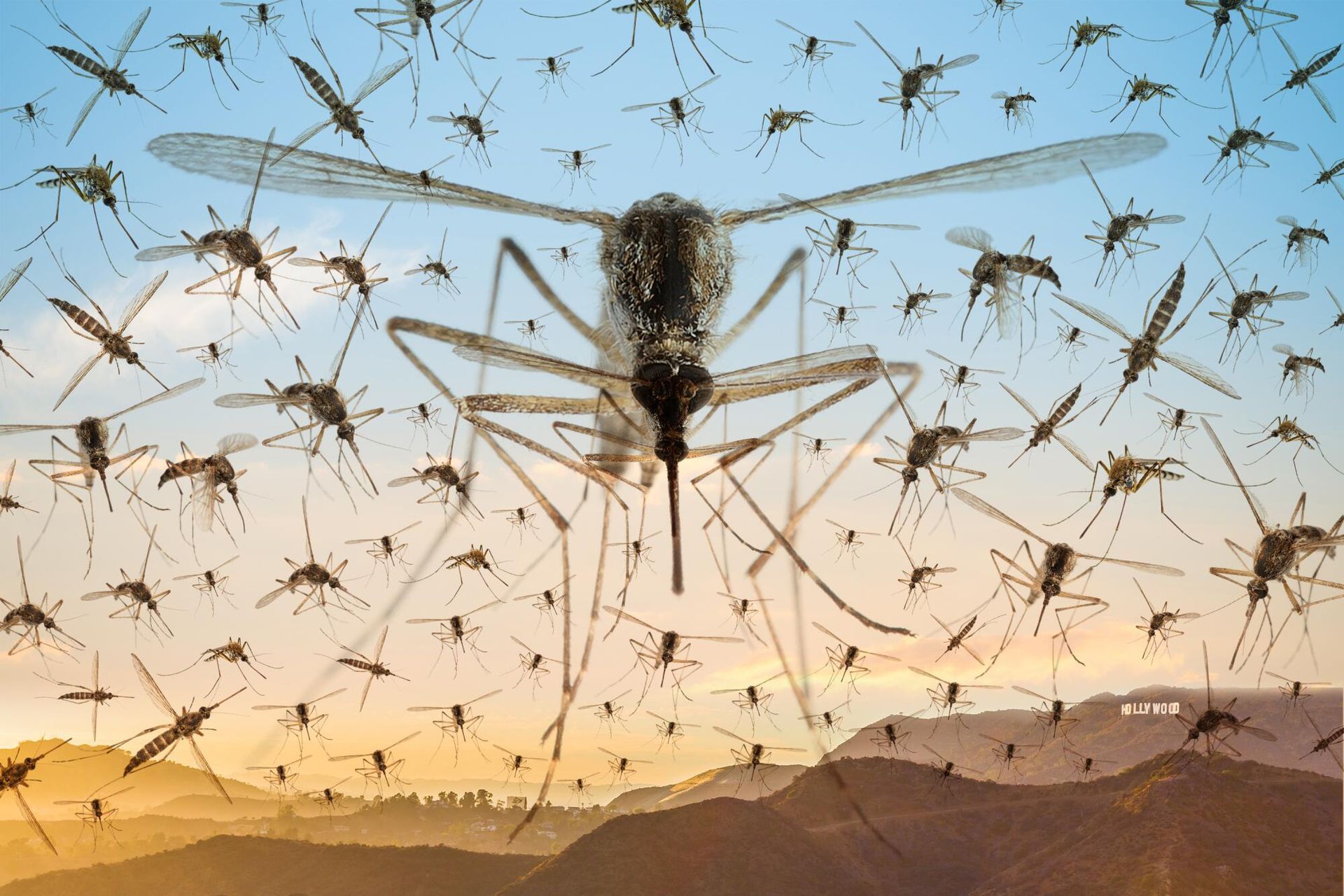
Mosquitoes lay eggs in or near water, depending on the species. Around homes, that water does not have to be a pond or large puddle. Small, protected collections can be enough to support development.
Common trouble spots include:
- Low areas where rainwater collects beside the foundation
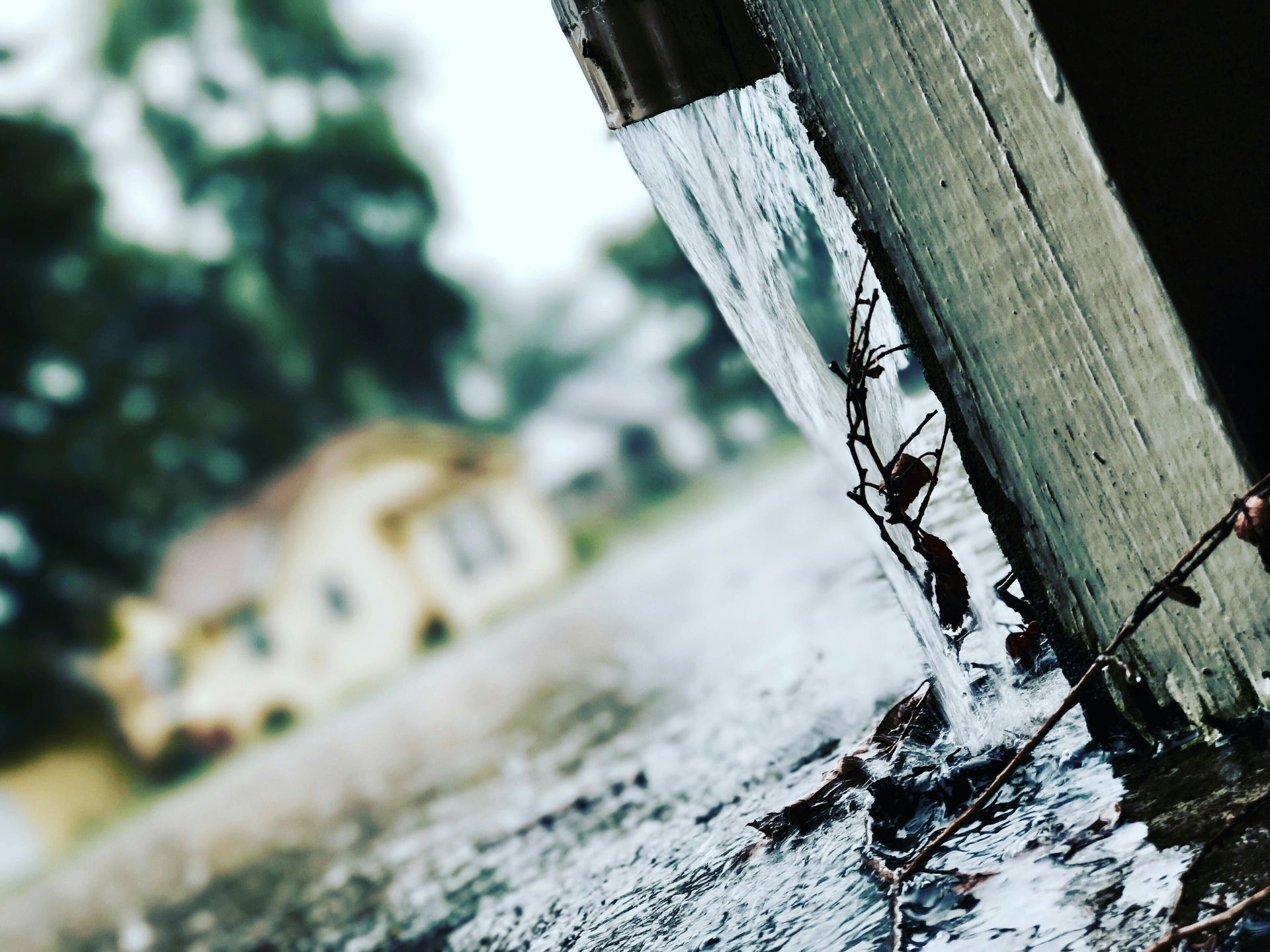
- Clogged gutters or downspouts that drain poorly
- Irrigation overspray that repeatedly wets the same soil
- Planters, toys, or containers holding small amounts of water
- Pet bowls or outdoor items left near shaded walls
- Drainage channels that stay wet long after storms
Seasonal conditions can make these areas more productive. Guidance on seasonal pest prevention explains how rain, irrigation, vegetation, and changing temperatures can shift mosquito pressure around a property.
Damp Landscaping Gives Adult Mosquitoes Places To Rest
Water is essential for mosquito development, but adult mosquitoes also benefit from cool, shaded areas close to breeding sites. Dense shrubs, ground cover, damp mulch, and vegetation near foundations can create protected resting zones during hot or bright parts of the day.
This matters because a property may have both breeding water and adult resting habitat within a small area. A wet foundation edge beneath dense landscaping can support larvae nearby while giving adults shelter a few feet away.
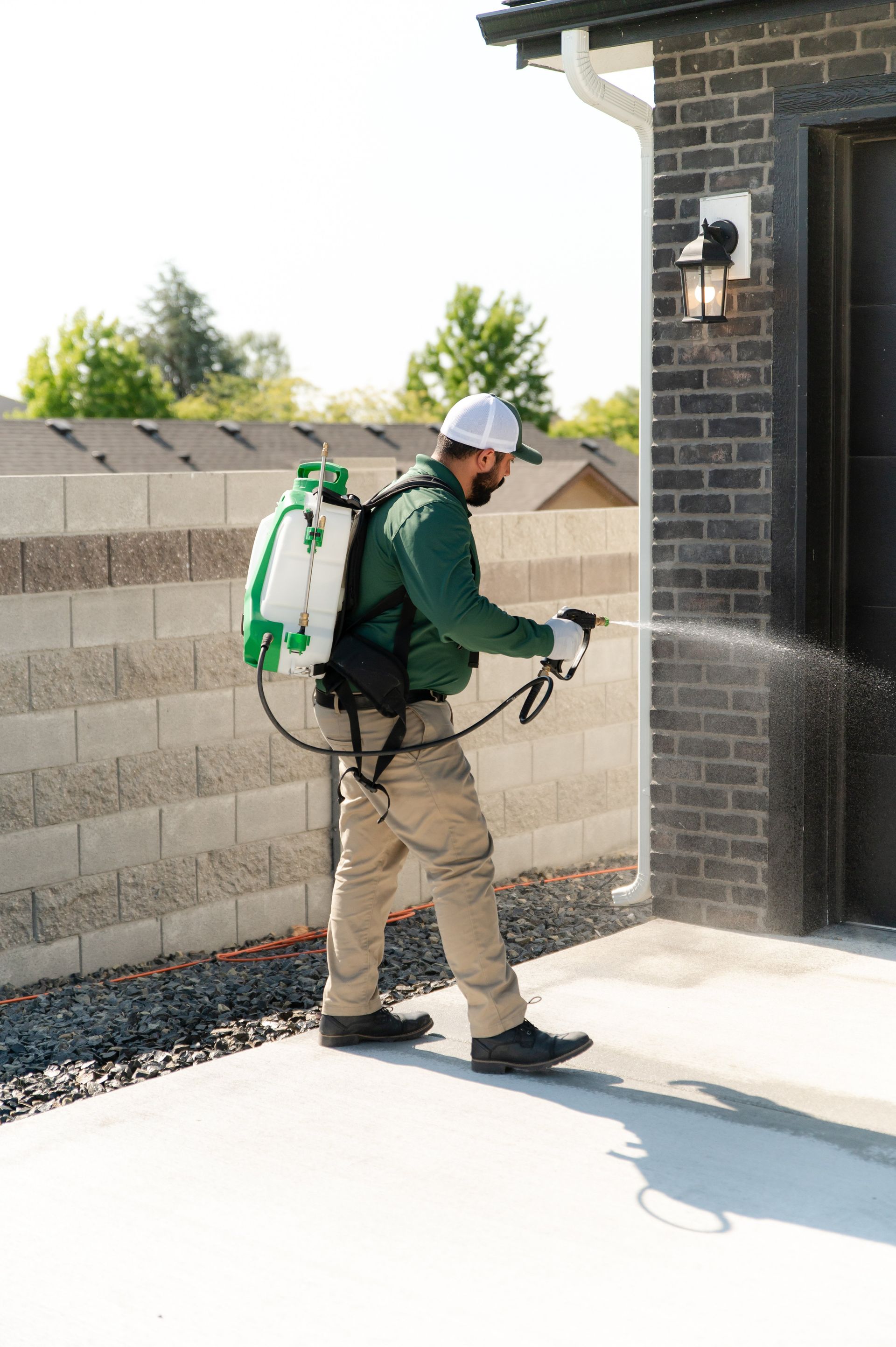
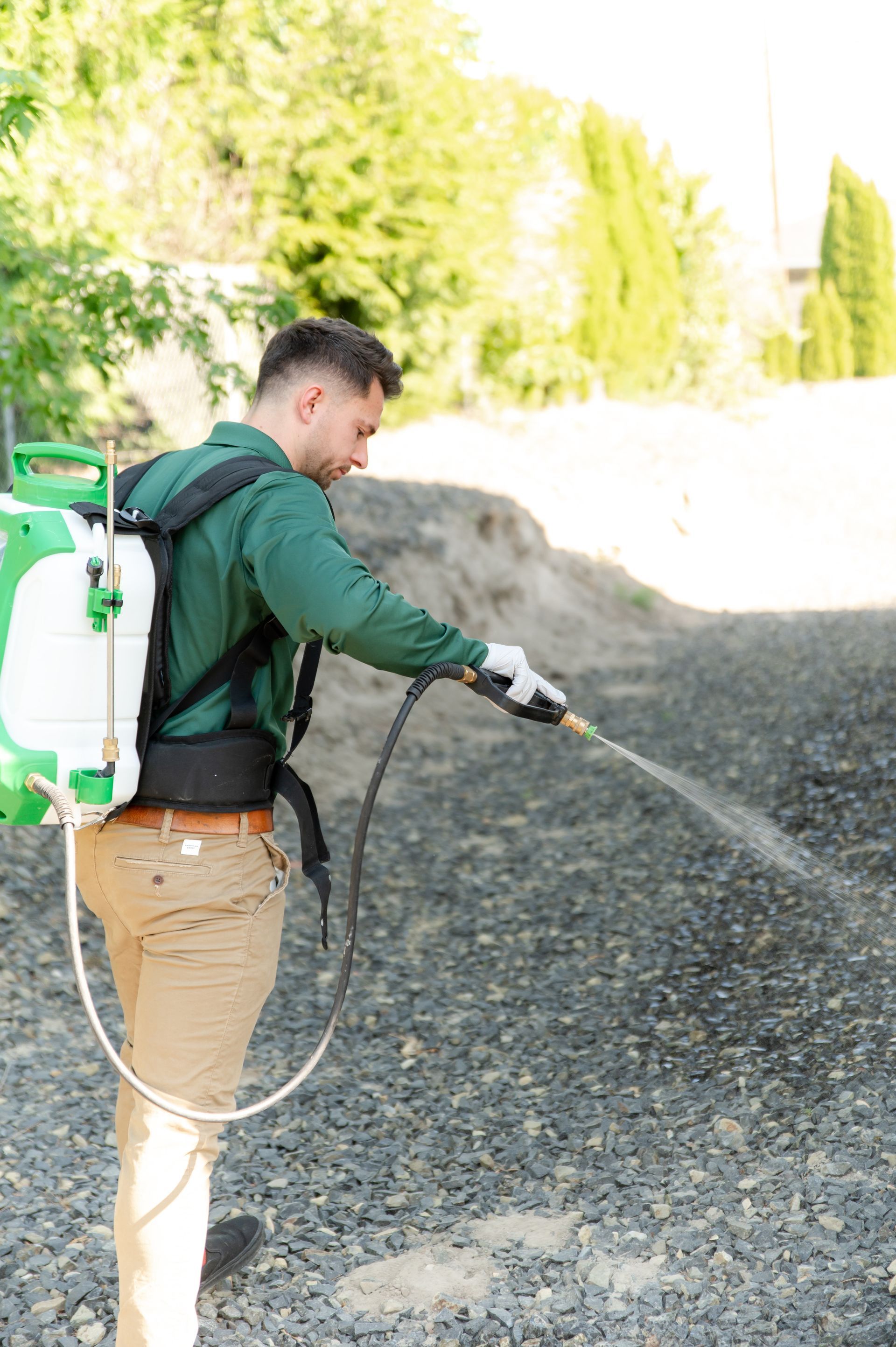
A professional inspection looks at both conditions together. Technicians may check shaded foliage, irrigation patterns, drainage, and areas where mosquitoes are repeatedly noticed. That makes treatment more precise than focusing only on open lawn or spraying where people happen to see flying insects.
Drainage And Irrigation Problems Can Keep Pressure High
Foundation moisture often comes from a repeated source rather than one isolated event. Poor drainage, misdirected downspouts, leaking irrigation, and overwatering can keep soil damp for days.
Areas worth checking include:
- Downspouts releasing water directly beside the structure
- Sprinklers aimed toward siding or foundation edges
- Leaking hose bibs and irrigation fittings
- Soil that slopes toward the home instead of away from it
- Mulch beds that remain saturated after watering
- Shaded corners where evaporation is slow
Correcting these conditions supports mosquito control because it removes opportunities for water to remain available between treatments. It can also help reveal whether mosquito activity is being sustained by one persistent source or several smaller ones around the yard.
Professional pest control can identify which moisture conditions are actually contributing to mosquito activity instead of treating every damp area the same way.
Outdoor Lighting Can Concentrate Activity Near Moist Areas
Moisture is not the only factor that affects where mosquitoes become noticeable. Outdoor lighting, nearby vegetation, entry points, and patio activity can also influence where insects gather around the home.
Information about outdoor lighting shows why illuminated areas near doors, patios, and landscaping can become pest hotspots when moisture and shelter are also present.
A light beside a damp landscape bed may concentrate flying insects near an entry point. Mosquitoes resting in nearby vegetation can then remain close to patios, walkways, or doors used during the evening.
Professional evaluation helps connect these conditions. Adjusting moisture, trimming vegetation, improving drainage, and treating active resting zones can be more effective than viewing lighting, landscaping, and mosquito activity as separate problems.
Ongoing Mosquito Control Works Best With Moisture Management
Mosquito pressure can return quickly when breeding water reappears after rain, irrigation, or routine yard use. One-time treatment may reduce current adults, but long-term control depends on addressing the conditions that allow the next generation to develop.
A complete plan may include:
- Inspecting foundation edges and shaded landscape zones
- Identifying standing water and repeated drainage problems
- Targeting adult mosquitoes and larvae where appropriate
- Correcting irrigation or moisture conditions that support breeding
- Monitoring vegetation and resting areas near the home
- Scheduling follow-up as weather and water conditions change
Professional mosquito control adds value because technicians can adjust treatment according to actual breeding patterns and seasonal pressure. Bamboo's current mosquito program also emphasizes inspection, targeting breeding grounds and hiding places, treating both adults and larvae, and returning for ongoing prevention.
The goal is not to make every outdoor area completely dry. It is to prevent unnecessary standing water, reduce protected breeding zones, and keep treatment focused where mosquito activity is most likely to rebuild.
Stop Moisture From Feeding The Mosquito Cycle
If damp foundation areas, irrigation, or poor drainage are contributing to mosquito activity, contact Bamboo Pest Control for professional mosquito control focused on inspection, targeted treatment, prevention, and follow-up.