Seasonal Pest Prevention Tips For Pacific Northwest

August 7, 2026

The Pacific Northwest experiences changing combinations of rain, mild temperatures, dry summer periods, dense vegetation, and cooler winters. These conditions influence where pests feed, nest, reproduce, and seek shelter. Ants, spiders, fleas, mosquitoes, wasps, hornets, bees, rodents, and snakes may become more noticeable at different times as moisture, warmth, and food sources shift.


Effective pest control is not based on repeating one treatment throughout the year. Professionals inspect the property, identify current activity, evaluate entry points and environmental conditions, then adjust the plan to match seasonal pressure. This approach keeps prevention focused while reducing the chance that a small exterior problem will spread indoors.

Prepare For Spring Moisture And New Activity

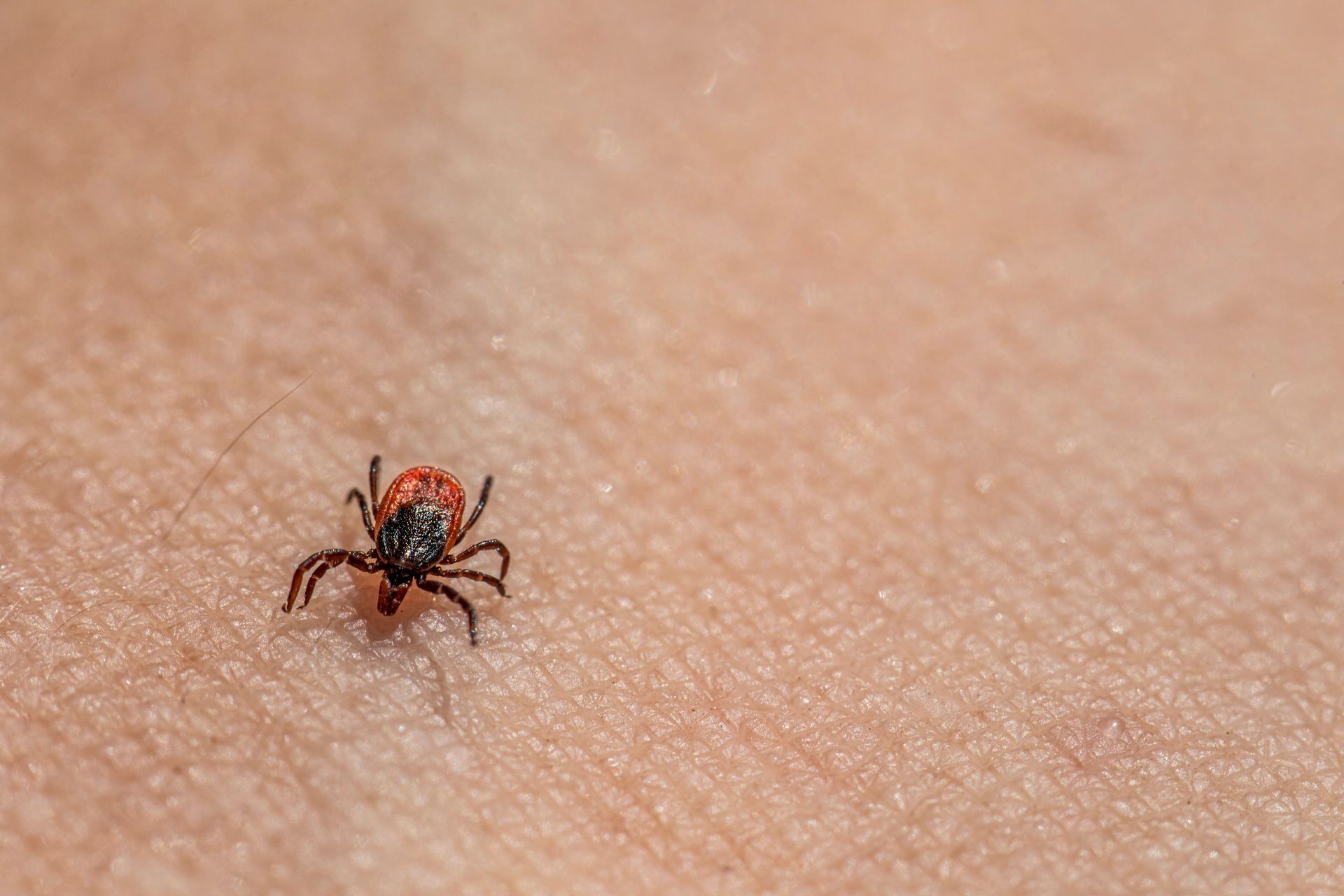
Spring rain softens soil, fills containers, supports vegetation growth, and disturbs outdoor nesting areas. Ants may begin trailing toward kitchens or bathrooms, mosquitoes may develop in standing water, and spiders may appear where insect activity increases. Rodents can also move when saturated ground affects outdoor shelter.


Useful spring priorities include:

  • Clearing gutters, drains, planters, and low areas that hold rainwater
  • Trimming fast-growing vegetation away from siding, windows, and rooflines
  • Checking doors, screens, vents, and utility openings for winter damage
  • Removing leaf litter, stacked materials, and damp debris near foundations
  • Reporting recurring trails, nests, droppings, or indoor sightings early


A professional spring inspection helps distinguish temporary movement from established activity. Early findings also allow treatment and exclusion work to remain more targeted before populations grow.

Adjust Prevention As Summer Pressure Builds

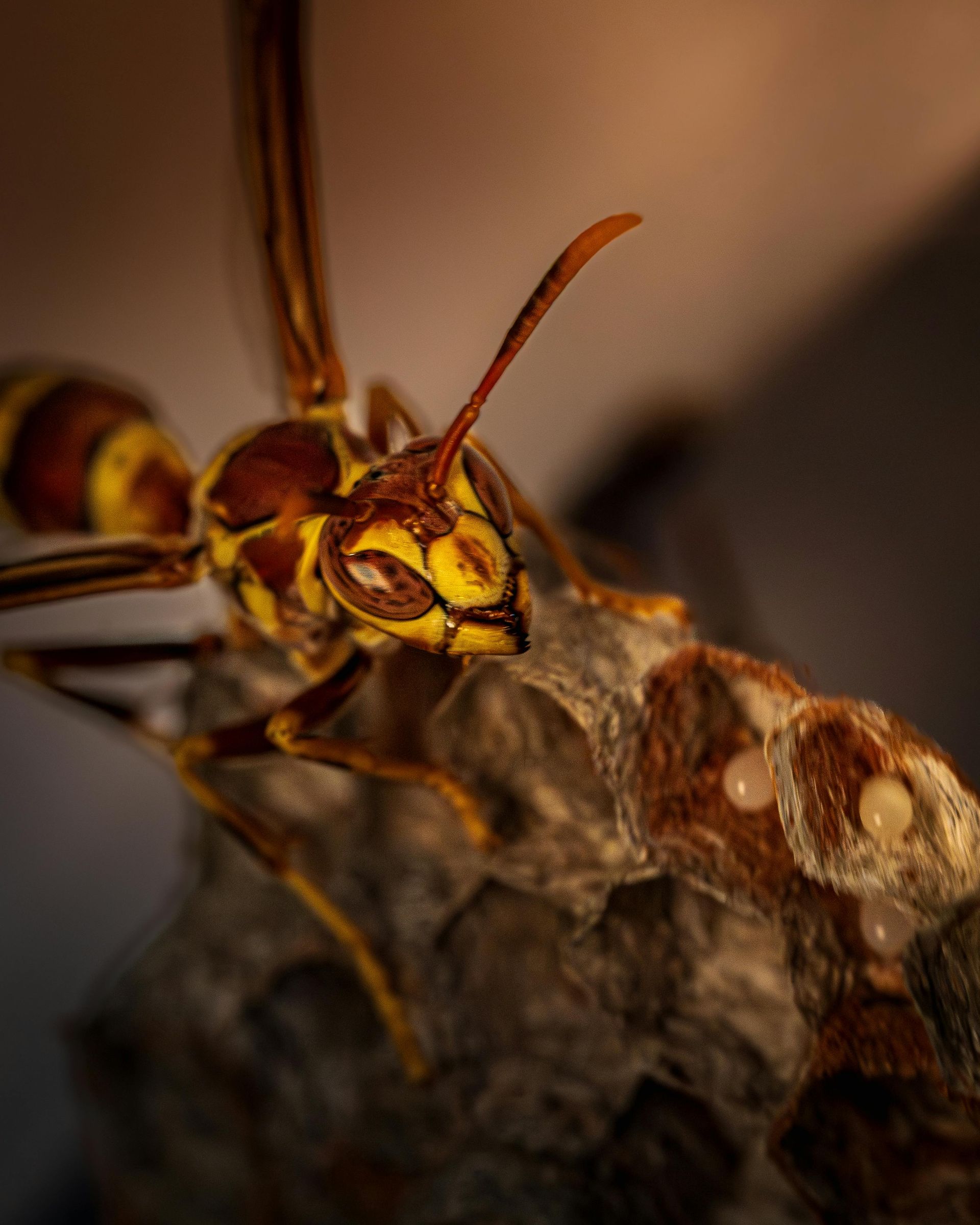
Longer days and warmer temperatures increase feeding and reproduction for many pests. Mosquitoes may gather near shaded water sources, wasps and hornets may expand nests around eaves or protected structures, and fleas can become more active around pets, lawns, and wildlife routes.


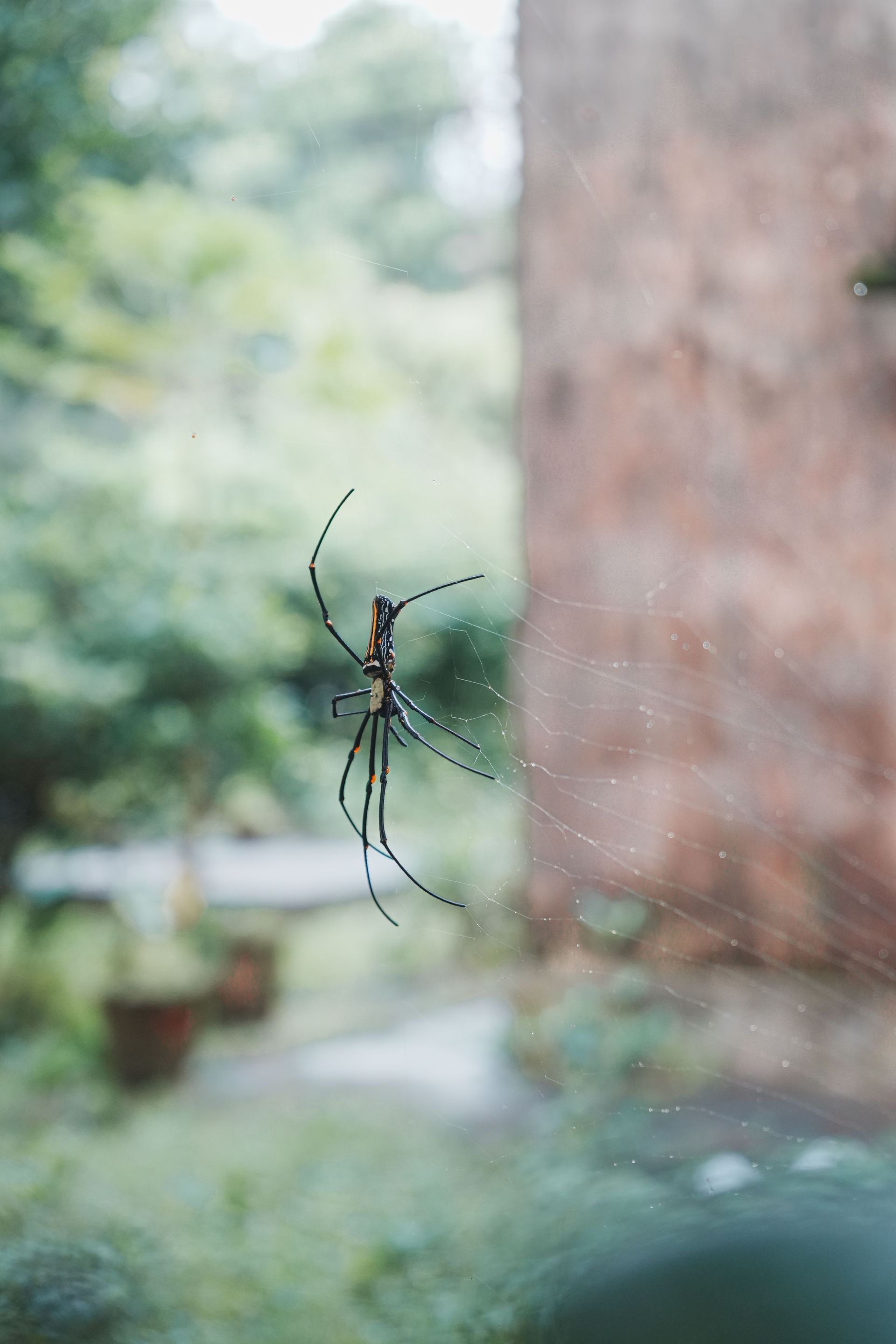
A seasonal pest plan is useful because summer conditions do not affect every property in the same way. Irrigated yards may stay damp, while exposed areas become hot and dry. Ants may search for water indoors, spiders may follow insects toward exterior lighting, and snakes may use cool spaces beneath decks, rocks, or sheds.


Technicians review active zones, recent weather, yard use, and earlier findings before adjusting treatment. This keeps service connected to current evidence rather than relying on a one-size-fits-all summer application.

Reduce Shelter Around The Property Exterior

Pests remain near buildings when the exterior provides moisture, shade, food, and concealed access. Dense shrubs, wood piles, storage items, outdoor furniture, and under-deck spaces can create protected zones that are difficult to inspect. These areas may support insects, rodents, or snakes while placing them close to doors, garages, crawl spaces, and foundations.


Exterior prevention may involve:

  • Keeping shrubs and groundcover from pressing against the structure
  • Storing firewood and materials away from walls and damp soil
  • Removing unnecessary clutter from patios, sheds, and side yards
  • Managing standing water near irrigation, pet areas, and outdoor equipment
  • Monitoring fence lines and shaded edges for repeated pest movement


These changes support professional treatment but do not replace identification. A technician can determine which conditions are relevant to the pest present and which areas do not require intervention.

Watch How Weather Changes Pest Movement

Pacific Northwest weather can shift quickly. Heavy rain may flood ant or rodent nesting areas, heat can drive pests toward shade and indoor moisture, and wind or cold may change where insects and animals shelter. Understanding weather-driven activity helps explain why sightings may appear suddenly after a storm or temperature swing.


A weather-aware inspection may include:

  • Reviewing damp mulch, drainage edges, and foundation-adjacent soil
  • Checking shaded foliage for mosquitoes, fleas, spiders, or nesting insects
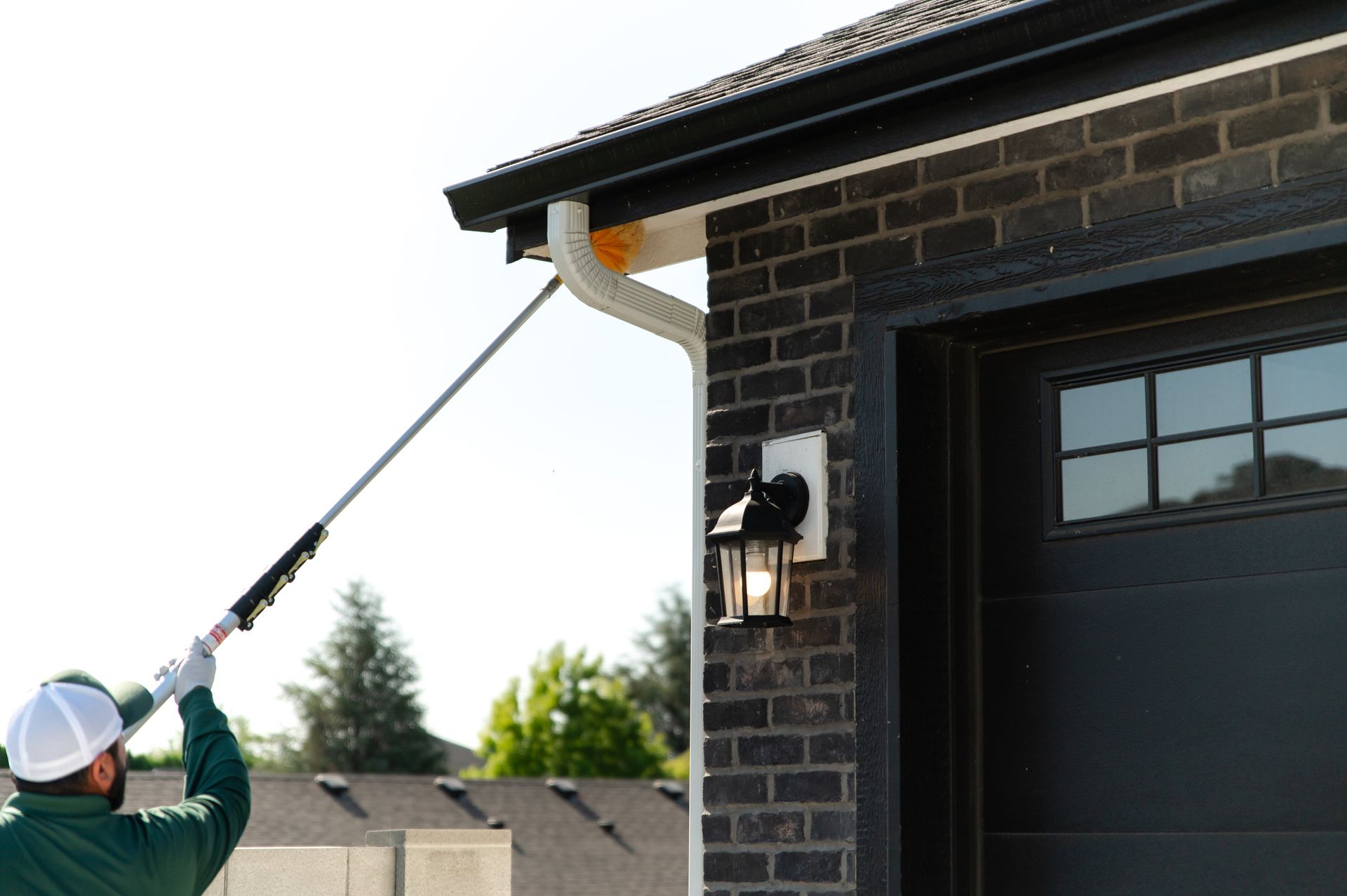
  • Inspecting roof overhangs and protected corners for wasps, hornets, or bees
  • Looking for rodent entry points around garages, vents, and utility lines
  • Evaluating under-deck and storage areas where snakes may seek cover


Seasonal weather does not automatically mean treatment is needed everywhere. Professionals use these patterns to locate pressure zones, confirm activity, and choose precise placement.

Maintain Protection Through Fall And Winter

Cooler weather often pushes pests toward stable indoor shelter. Rodents may investigate rooflines, garages, crawl spaces, and utility openings. Spiders and ants can remain active in protected areas, while earlier wasp nests or exterior pest evidence may reveal gaps that should be addressed before winter.


Long-term pest control combines monitoring, exclusion, targeted treatment, and follow-up. Technicians can reinforce exterior barriers, recheck known hotspots, and recommend repairs after active routes are understood. Regular visits also create a service record that shows whether activity is seasonal, recurring, or connected to a structural condition.


Homeowners should continue managing food, waste, pet-feeding areas, moisture, and storage throughout the colder months. However, professional oversight adds the inspection knowledge needed to connect these conditions with actual pest evidence.

The strongest year-round plan changes with the property. Rainfall, irrigation, vegetation, outdoor activity, and building wear can create new risks between visits. A responsive program keeps treatment focused, adjusts timing when needed, and addresses pests before they become established indoors.

Keep Every Season From Becoming Pest Season

Contact Bamboo Pest Control for professional inspection, targeted pest control, exclusion guidance, and year-round follow-up shaped around Pacific Northwest conditions.

Like this content? Share it!

By Gary Gill July 31, 2026
Learn practical flea and tick control tips for pet owners, from yard care and bedding checks to professional pest control that protects homes and pets.
By Gary Gill July 24, 2026
Seasonal pest plans adapt to changing weather, target recurring activity, and help professional pest control protect homes throughout the entire year.
By Gary Gill July 17, 2026
Learn how outdoor lighting can attract unwanted pests, increase insect activity near homes, and why professional pest control supports long-term prevention.
By Gary Gill July 10, 2026
Learn common Washington house spiders, where they hide, and why professional spider control helps reduce webs, insect pressure, and repeat activity indoors.
By Gary Gill July 3, 2026
Understand how weather affects pest activity in your yard, from rain and heat to moisture, shelter, and pest control planning for year-round home protection.
By Gary Gill June 25, 2026
Discover why snakes become more visible in summer weather, from heat and prey movement to entry risks and snake prevention around your home this season.
By Gary Gill June 18, 2026
Bees are valuable pollinators, but a hive too close to a home can create safety concerns. Activity near doors, rooflines, wall openings, sheds, decks, play areas, or outdoor seating can increase the chance of stings, especially when people, pets, or equipment disturb the colony. Safe bee removal begins with understanding where the bees are located, how established the hive may be, and whether the structure is involved. The biggest mistake homeowners make is treating bees like ordinary nuisance insects. A visible cluster may only be the outside of a deeper problem inside a wall void, soffit, tree cavity, or utility opening. Safe handling requires identification, protective equipment, controlled methods, and respect for the role bees play in the environment. It also requires knowing when the issue is connected to broader pest concerns such as ants, spiders, rodents, fleas, mosquitoes, wasps, hornets, or snakes around the property.
By Gary Gill June 12, 2026
Learn how flea and tick risks rise in Northwest lawns, why pets and shaded yards matter, and when professional treatment helps protect comfort this summer.
By Gary Gill June 5, 2026
Event Planning Should Begin With The Yard A mosquito-friendly yard can look attractive at first glance. Lush landscaping, shaded patios, decorative containers, outdoor kitchens, fence lines, and garden beds can all create resting areas when moisture and cover are present. Before an event, the property needs a careful review of the places mosquitoes are most likely to use.  Drainage areas should be checked for puddling after rain, sprinkler use, or overwatering. Containers, saucers, toys, tarps, and outdoor storage should be reviewed for trapped water. Shrubs, tall grass, and dense plantings should be evaluated as shaded resting spaces. Seating areas should be assessed for nearby vegetation, mulch, or damp corners. Event timing should account for dusk, when mosquito activity may become more noticeable. This review helps create a practical plan. Instead of reacting during the party, the property can be prepared with a better understanding of where mosquito activity is likely to come from. Professional Timing Helps Protect The Guest Experience Timing matters with event-focused pest service. A treatment scheduled too close to the gathering may not allow enough time for the space to settle. A treatment scheduled too early may lose effectiveness if rain, irrigation, or new mosquito activity changes the yard before the event. That is why professional scheduling is such an important part of event mosquito protection. Pre-event inspections help identify current pressure before treatment decisions are made. Treatment windows can be planned around guest arrival, setup, decorating, and food service. Weather conditions may influence how the timing and treatment plan should be adjusted. Follow-up guidance helps event hosts understand what to watch before the gathering. Site-specific planning is more useful than relying on generic outdoor sprays. When the calendar matters, homeowners should ask how service can be coordinated with the event schedule. Professional support can help determine the right window, especially when patios, tents, or outdoor dining areas are involved. For more details on event scheduling , it helps to understand how mosquito treatments can fit around planned gatherings without disrupting the occasion. Treatment Works Best With Long-Term Prevention Event preparation should not depend on one-time effort alone. Mosquitoes can rebuild quickly when the property still offers shade, moisture, and breeding opportunities. A better strategy combines targeted treatment with longer-term prevention around the yard. Breeding-site reduction lowers the chance of new mosquitoes emerging before the event. Targeted applications focus on mosquito-prone areas instead of random coverage. Ongoing service helps manage changing pressure through summer weather patterns. Yard recommendations support better comfort after the event is over. Professional monitoring can identify whether activity is returning from hidden areas. Mosquitoes do not always stay where they are first noticed. They may rest along fence lines, under decks, in thick foliage, or near damp landscaping, then move toward people once the gathering begins. A trained technician can look beyond the obvious areas and address the patterns that make outdoor spaces uncomfortable. Long-term planning also protects future use of the yard. Summer often includes more than one outdoor event, especially when families use patios, pools, grills, or lawns throughout the season. A structured mosquito plan can make the space more dependable for weekend gatherings, evening meals, and casual outdoor time. The Right Pest Partner Makes Planning Easier Choosing professional help for an outdoor event is not only about treatment. It is also about communication, reliability, inspection quality, and understanding local mosquito pressure. Homeowners need a service approach that explains the plan clearly and considers how the property will be used during the event. A stronger provider will look at the setting, ask about the event schedule, evaluate mosquito-prone areas, and recommend a practical path instead of treating every yard the same way. Local knowledge also matters because mosquito pressure can shift with rain, heat, nearby vegetation, and seasonal conditions. For anyone comparing options, guidance on choosing a pest control company can help clarify what to look for before scheduling service. The best fit is usually a company that values inspections, targeted treatments, and ongoing prevention rather than quick, surface-level answers. Keep The Focus On The Celebration Outdoor events should feel comfortable, relaxed, and memorable. With professional mosquito protection, the yard can be prepared with greater care before guests arrive. For thoughtful event planning, mosquito treatments, and long-term pest prevention, contact Bamboo Pest Control for professional services.
By Gary Gill May 29, 2026
Choosing the right pest control company near you should begin with more than a quick search result or the lowest price. Pest problems often involve hidden entry points, nesting areas, moisture, food sources, and seasonal pressure. A company that understands these details can build a plan around the property, not just the visible pest.  A strong provider should be able to handle common pests, rodents, ants, spiders, mosquitoes, wasps, bees, snakes, and other local concerns with a careful inspection-first process. Clear communication, safe treatment planning, honest recommendations, and reliable follow-through all matter when the goal is long-term protection.
Show More Blog Posts