Growing Colonies Become More Defensive
Wasp colonies are relatively small early in the season, but warm conditions allow them to grow rapidly. As the number of workers increases, the nest becomes more valuable to protect. A mature colony may contain many individuals responsible for feeding larvae, expanding the nest, and defending the queen.
Several factors can increase defensive behavior:
- Larger colonies have more workers available to guard the nest
- Frequent activity near entrances increases the chance of disturbance
- Vibrations from mowing, trimming, or construction can trigger a response
- Foot traffic near hidden nests can bring people unexpectedly close
- Repeated disturbance may make defensive reactions more immediate
This is why a nest that seemed harmless earlier in the season may become a concern later. Seasonal pest prevention is useful because changing weather affects where wasps and other pests feed, nest, and move around a property.
Food Demands Change As Summer Progresses
Warm months support larger colonies, which means more mouths to feed. Adult wasps search for insects, sugary substances, proteins, and other food sources. Outdoor dining areas, garbage containers, fallen fruit, pet food, and sweet drinks can all bring wasps closer to people.
Their behavior may also shift as the season advances. Early in colony development, workers gather protein for developing larvae. Later, changing colony needs can make sugary foods more attractive, increasing activity around patios, trash areas, and outdoor gatherings.
These conditions can make encounters feel more aggressive because more wasps are present in places people use. Swatting at them, blocking their flight path, or approaching a nest entrance may then provoke defensive behavior.
Heat And Dry Conditions Increase Competition
Hot, dry periods can alter where wasps find water and food. When natural resources become limited, they may concentrate around irrigation systems, fountains, dripping outdoor faucets, pools, gardens, or shaded areas where moisture remains available.
Common warm-weather attractants include:
- Open beverage containers and food left outdoors
- Overflowing or poorly sealed garbage bins
- Ripe or fallen fruit beneath trees
- Pet food or water bowls on patios
- Irrigation leaks and damp landscape areas
- Insect activity around exterior lights
Outdoor lighting can indirectly influence wasp activity by attracting other insects that serve as prey. Understanding these lighting-related pest patterns helps explain why pest pressure around a home often connects to several environmental conditions rather than one obvious nest.
Reducing attractants can help limit activity, but established nests require careful evaluation because workers may defend them aggressively when disturbed.
Nest Location Can Increase The Risk Of Stings
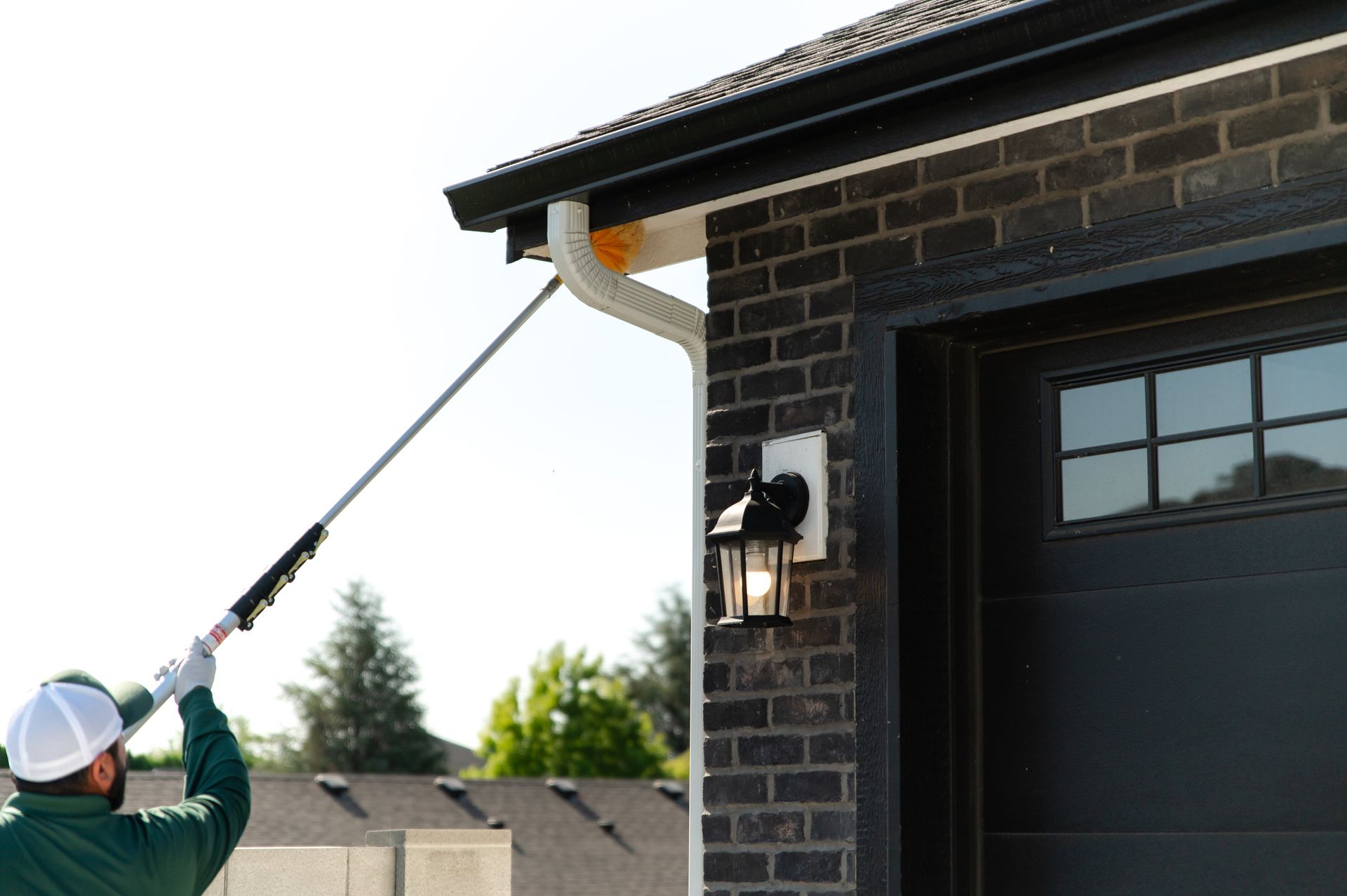
Wasps often choose protected locations that are easy to overlook. Nests may develop beneath eaves, inside wall voids, under decks, around sheds, in trees, within shrubs, or in other sheltered exterior spaces. Some species may also nest underground, making accidental encounters harder to anticipate.
The location matters because people can unknowingly enter the colony's defensive zone. Opening a shed door, trimming a hedge, moving stored items, or walking near an underground entrance may disturb the nest without warning.
Risk can increase when:
- Nests are close to doorways, walkways, or outdoor seating
- Children or pets regularly use the surrounding area
- Landscaping hides the nest entrance from view
- Yard equipment creates vibration near the colony
- The nest is inside a wall or other hard-to-reach space
Attempting to treat a concealed or elevated nest without understanding its location can intensify defensive behavior. Professional inspection helps identify the nest, activity routes, and surrounding conditions before treatment begins.
Effective Wasp Control Depends On Timing And Precision
Wasp control works best when it is based on species identification, nest location, colony activity, and how the property is being used. Targeting visible flying wasps may reduce a few individuals without resolving the active nest that continues producing workers.
A complete approach considers where wasps are entering and exiting, whether multiple nests are present, how close activity is to occupied areas, and whether seasonal conditions are likely to keep pressure high. Treatment must also account for hard-to-reach nesting sites and the increased defensiveness of mature colonies.
Professional assessment is particularly valuable when the nest cannot be safely located, activity is concentrated near high-use areas, or occupants have concerns about stings. Trained technicians can evaluate the situation without unnecessary disturbance and choose a targeted response based on the nest and surrounding environment.
Warm-weather wasp activity is normal, but repeated aggressive encounters may indicate that a colony is established nearby. Addressing the source is more reliable than repeatedly reacting to individual wasps.
Take The Sting Out Of Summer
If wasps are becoming more active around your home, contact Bamboo Pest Control for professional wasp control focused on locating nests, reducing sting risks, and restoring safer use of your outdoor spaces.