Keep Distance And Avoid Cornering A Snake
A snake near a porch, garage, shed, or walkway can feel urgent, but approaching it can increase risk. Homeowners should give the animal space and keep children and pets away. Trying to capture, strike, or force a snake from a hiding place can cause unpredictable movement.
Safer first steps include:
- Keeping people and pets well away from the snake
- Watching from a safe distance if its location must be reported
- Avoiding reaching beneath rocks, boards, or outdoor storage
- Closing nearby interior doors if a snake enters an attached space
- Leaving concealed snakes undisturbed rather than flushing them out
- Contacting a professional when the location creates a safety concern
If a bite occurs or is suspected, seek emergency medical guidance promptly rather than attempting to identify or treat the injury yourself.
Understand How Weather Changes Snake Activity
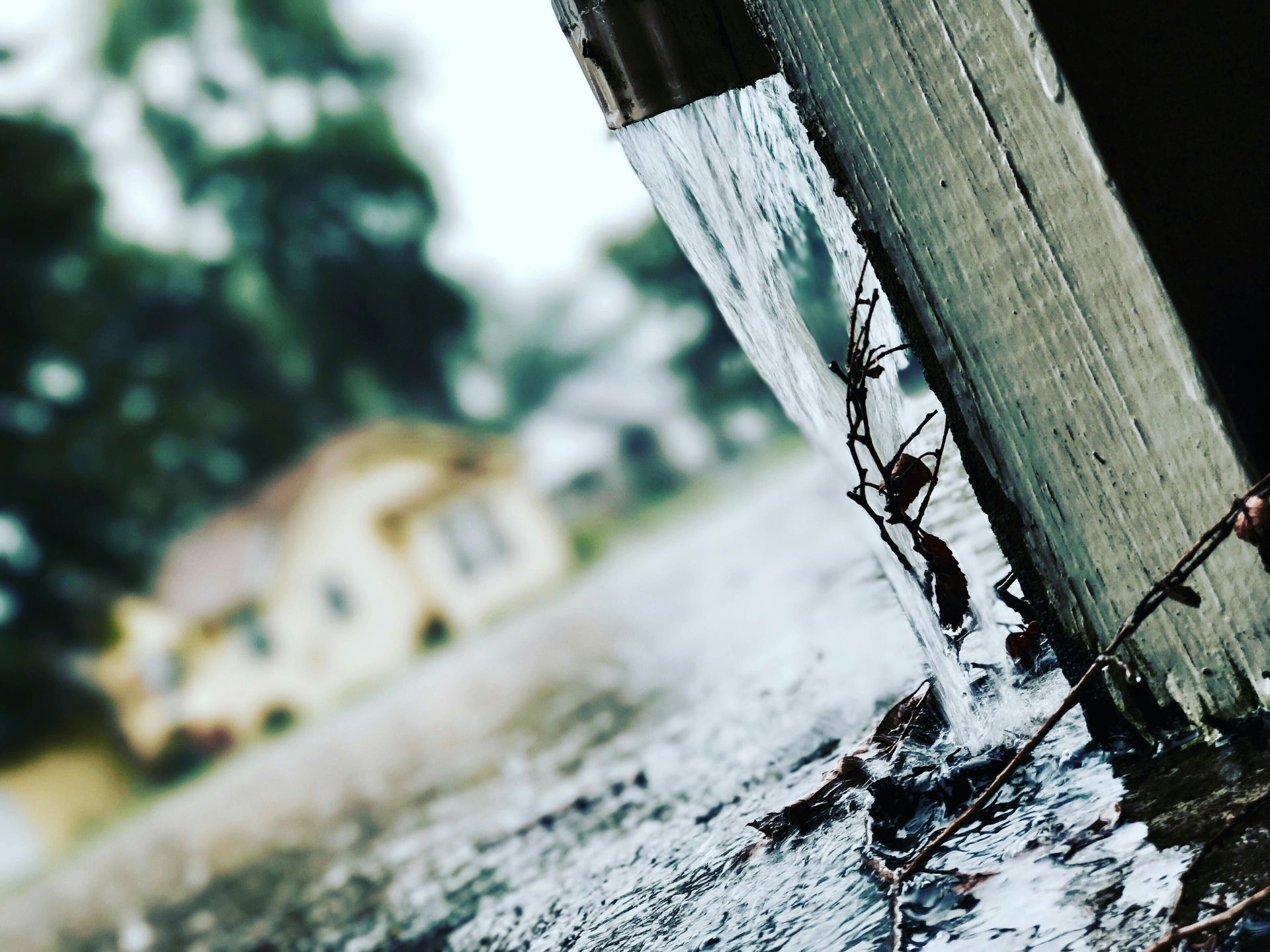
Snake movement can change with temperature, rain, and seasonal conditions. Because snakes rely on external temperatures to regulate their bodies, they may bask in open areas during cooler periods and retreat into shade during extreme heat.
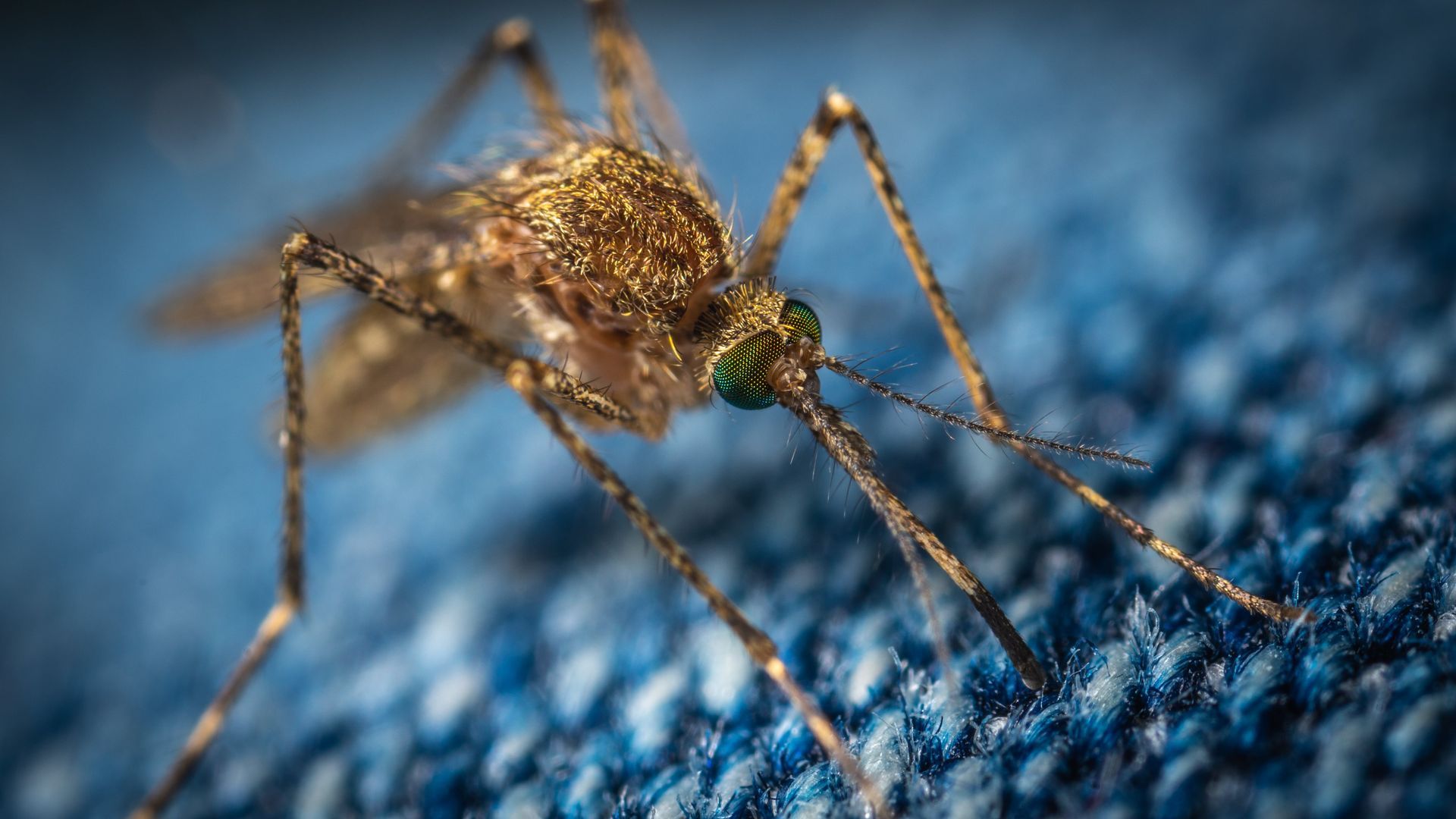
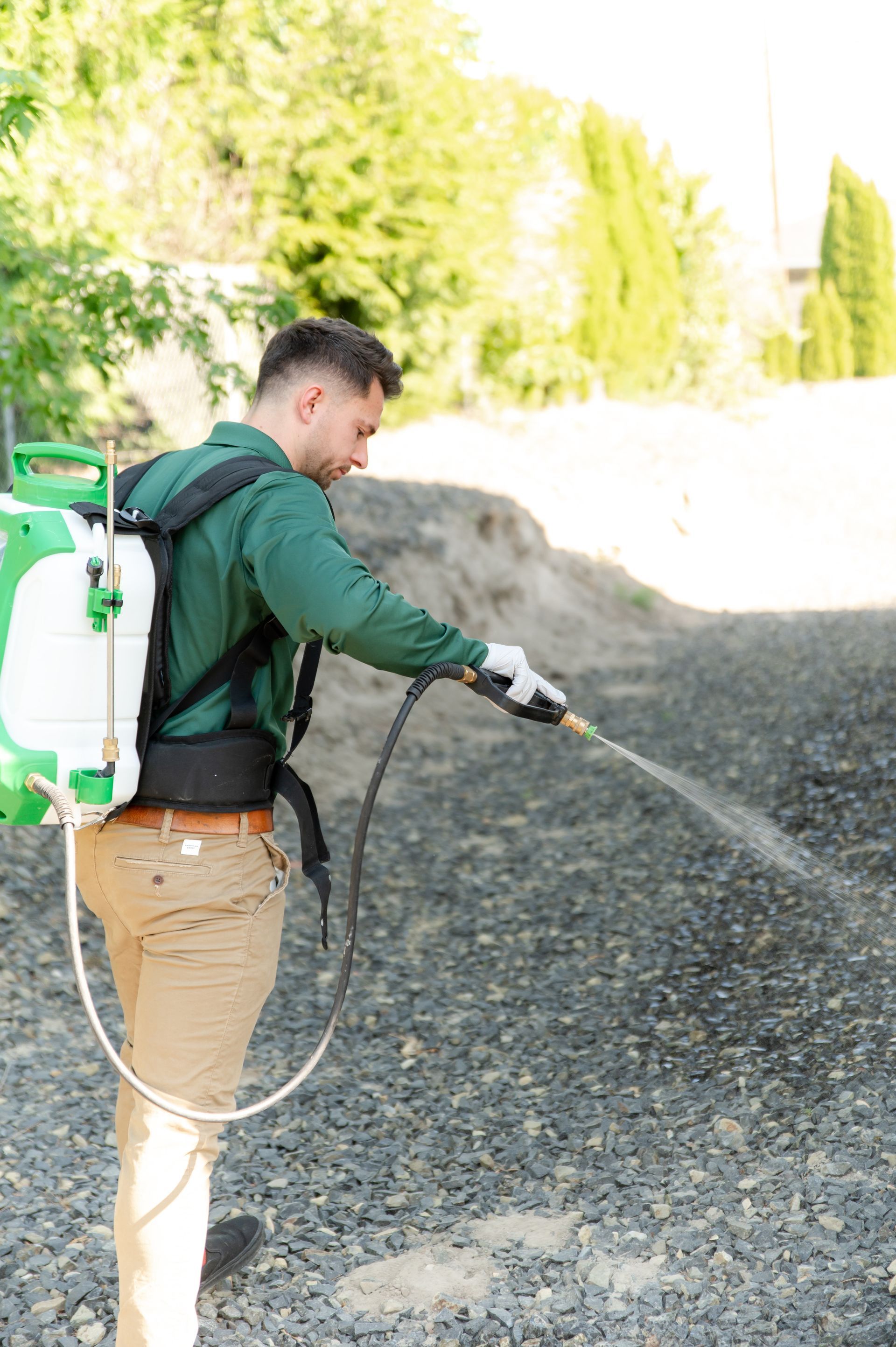
A broader look at weather-driven pest activity shows how heat, rain, moisture, and shelter can change where ants, spiders, mosquitoes, fleas, rodents, and snakes appear around a yard. These shifts matter because snakes may follow prey into cooler, protected locations near structures.
Warm mornings may bring snakes onto rocks or pavement, while hot afternoons can push them beneath porches, sheds, decks, or vegetation. Evening movement can also become more noticeable as temperatures moderate. Professional evaluation helps determine whether repeated sightings are linked to seasonal travel or to food and shelter that keep snakes nearby.
Reduce Shelter And Prey Around The Property
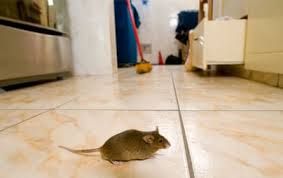
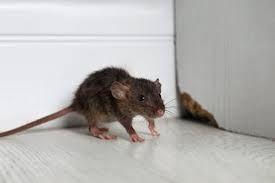
Rural yards often have more storage, vegetation, and outbuildings than suburban properties, creating extra hiding places. Rodents are an important food source, so signs of mice or rats can make a property more attractive to snakes.
Conditions worth addressing include:
- Tall grass along fence lines and building edges
- Wood piles stored directly beside structures
- Outdoor equipment left undisturbed for long periods
- Dense shrubs blocking visibility near foundations
- Rodent droppings, nesting material, or gnaw marks
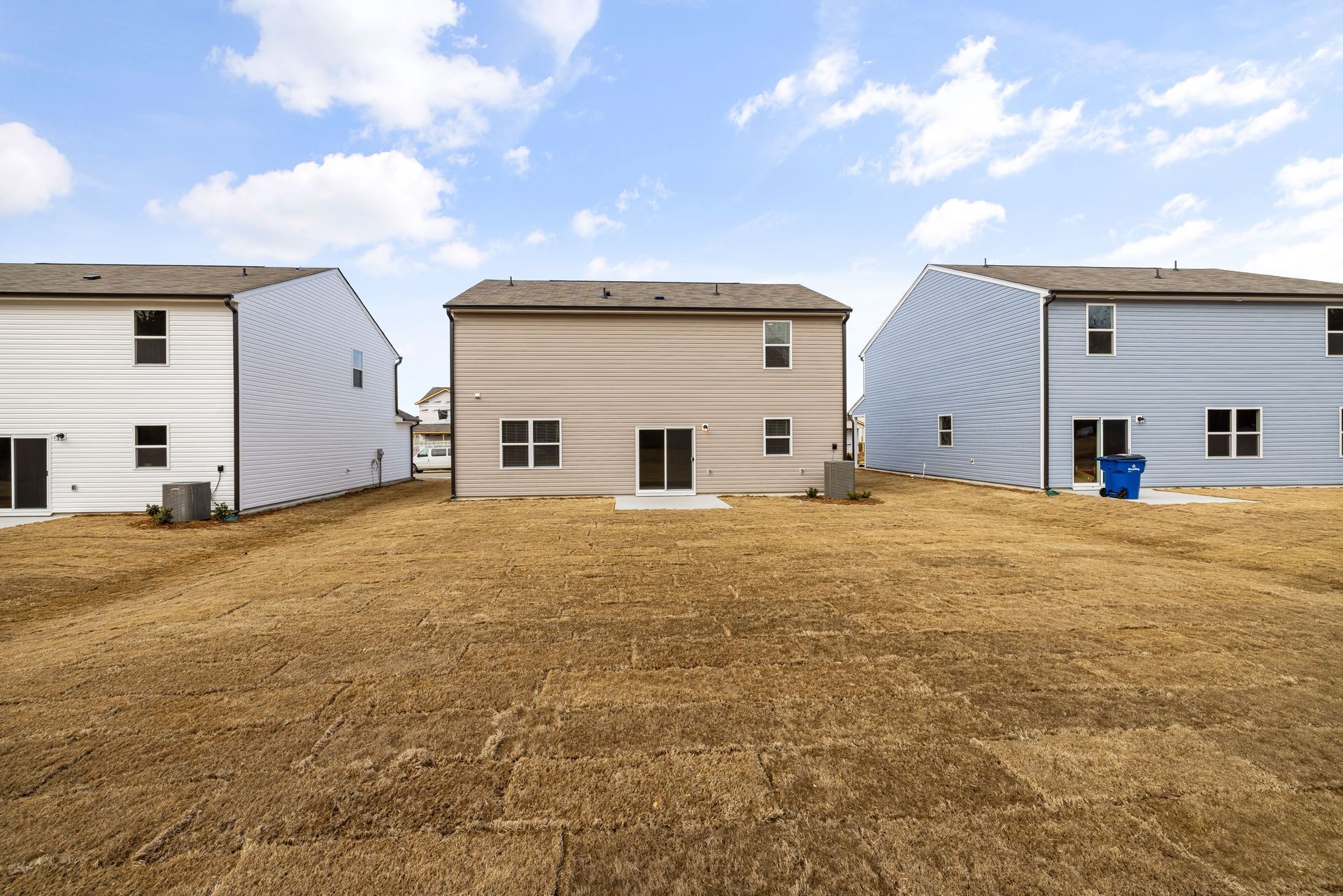
- Clutter beneath decks, sheds, or covered storage areas
Reducing shelter works best when rodent pressure is evaluated at the same time. Professionals can inspect travel routes, nesting areas, and structural openings that may support both rodents and snakes. This whole-property approach is more effective than focusing only on one sighting.
Inspect Garages, Crawl Spaces, And Entry Points
Most snake concerns begin outdoors, but openings can allow movement into garages, crawl spaces, basements, storage rooms, or other protected areas. Gaps beneath doors, damaged screens, utility penetrations, and foundation openings deserve attention.
Inspection is useful because an opening should not be sealed blindly if an animal may already be inside. Technicians can look for tracks, shed skin, rodent evidence, and other signs that help explain how the area is being used.
Understanding summer snake movement also helps connect entry risks with heat, prey movement, and shelter. A garage may become attractive because it is cooler than the surrounding yard, while a crawl space may offer rodent activity and protection from high temperatures.
Keep Long-Term Prevention Focused On The Whole Property
Snake prevention is strongest when it addresses the yard, structure, prey, and seasonal conditions together. One-time changes may reduce a hiding place, but recurring sightings often indicate that several factors are working together.
A long-term plan may include:
- Monitoring rodent activity around structures and storage areas
- Keeping grass and dense vegetation managed near buildings
- Moving wood piles and stored materials away from foundations
- Repairing confirmed structural gaps after inspection
- Rechecking areas where snakes have appeared previously
- Scheduling professional follow-up when sightings continue
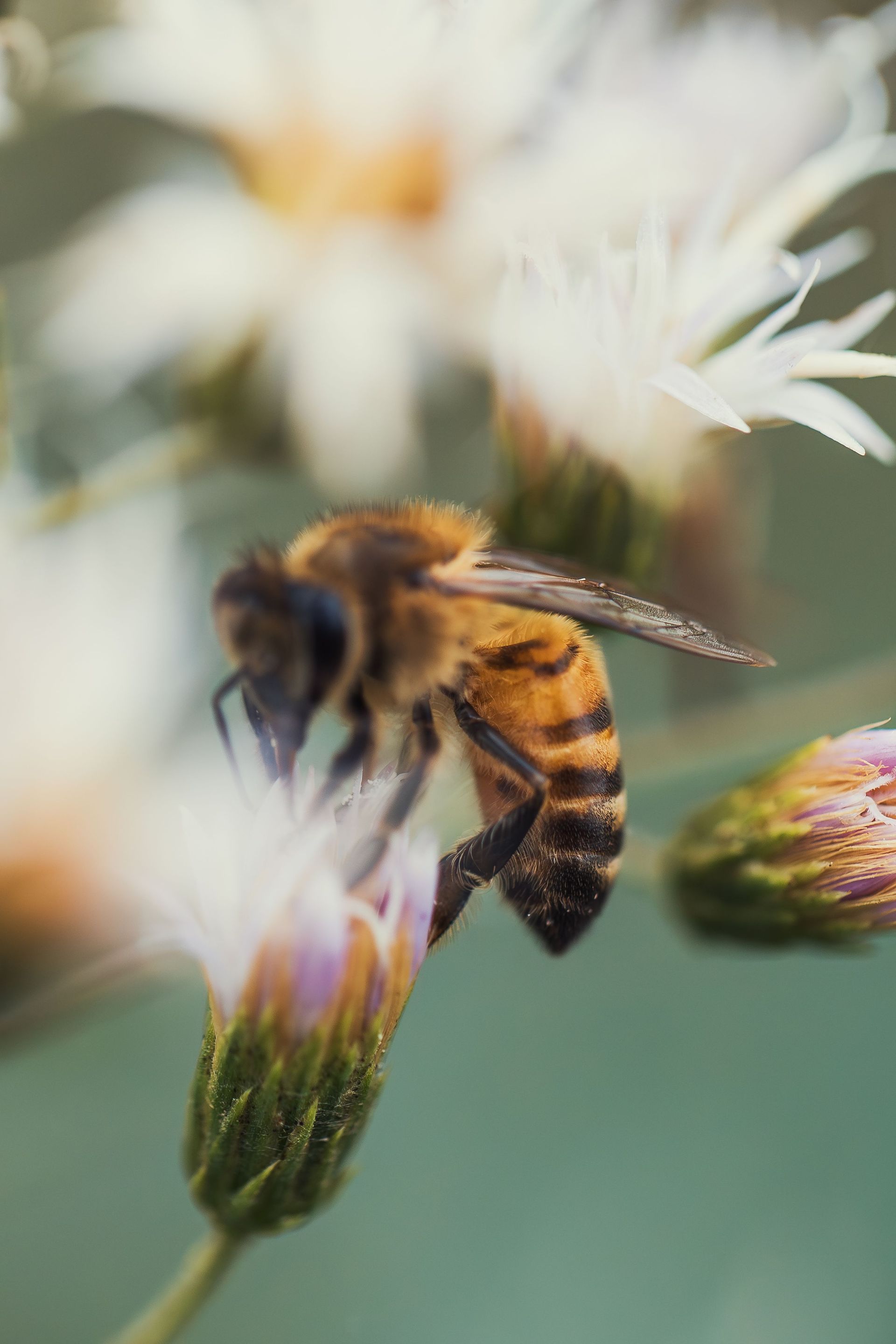
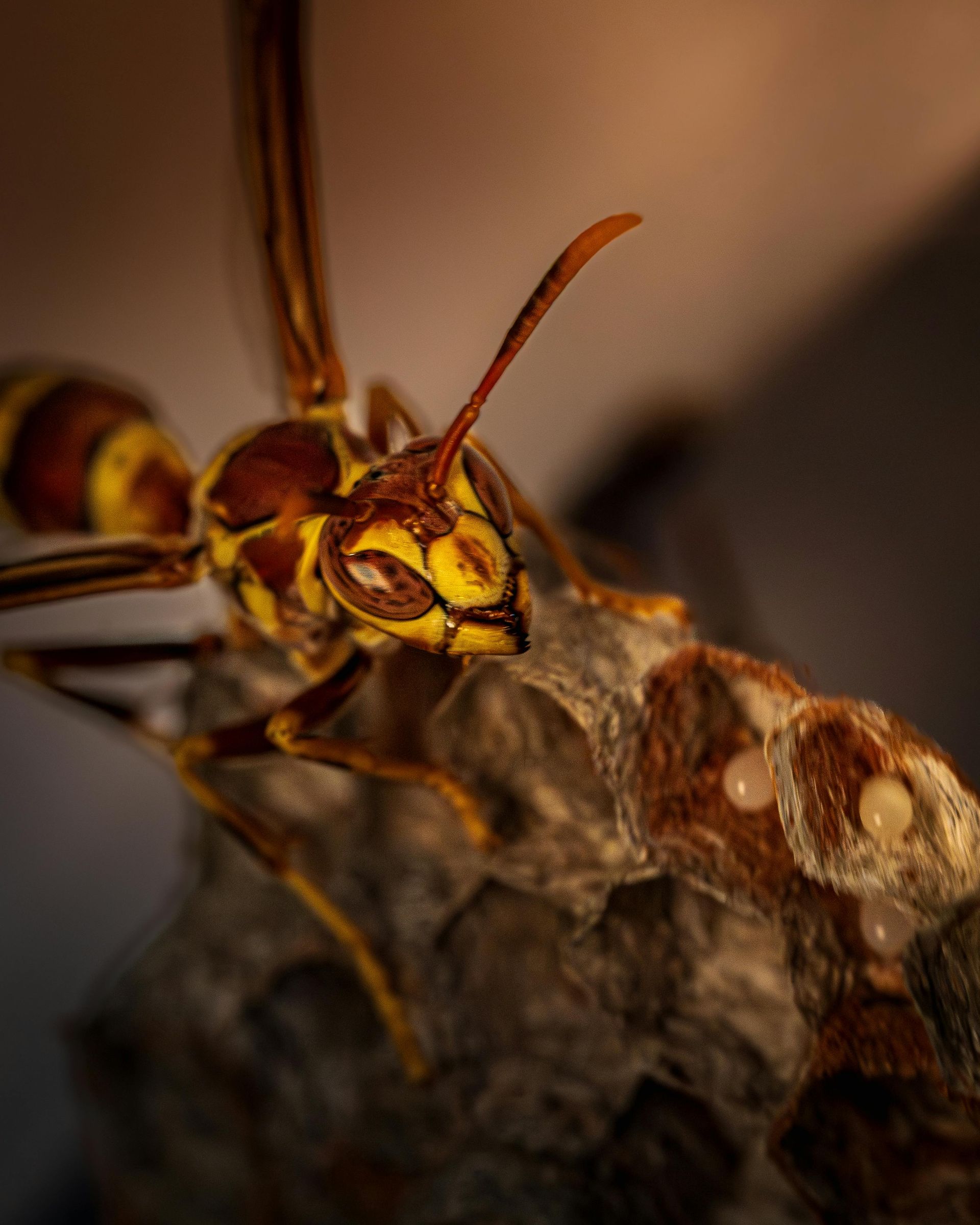
Other pests handled around rural homes, including ants, spiders, fleas, mosquitoes, bees, hornets, and wasps, can also influence the broader environment. Some provide prey, while others respond to the same shade, moisture, and shelter that make certain areas attractive.
The most useful snake safety tips focus on reducing surprise encounters and making the property less supportive of repeated activity. Rural homeowners do not need to eliminate every natural feature, but they should understand where shelter, prey, and access overlap. Professional inspection adds precision by identifying which conditions are contributing to sightings and which preventive steps offer the greatest long-term value.
Make Your Property Less Inviting To Snakes
If snake activity is becoming a recurring concern around your home, contact Bamboo Pest Control for professional inspection, snake-control guidance, rodent evaluation, and prevention tailored to your property.