Droppings, Gnaw Marks, And Noises Can Reveal Active Routes
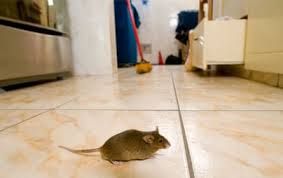
Fresh droppings are one of the most common signs of rodent activity, especially along walls, inside cabinets, behind appliances, or near stored food. Gnaw marks can appear on cardboard, wood, insulation, wiring, or food packaging. At night, scratching or scurrying sounds may come from ceilings, wall voids, or attic spaces where rodents feel protected.
Our guide to fall rodent proofing explains why technicians compare these signs with likely entry points before exclusion begins.
Early warning signs can include:
- Droppings appearing along walls, shelves, or storage areas
- Gnaw marks on packaging, wood, insulation, or wiring
- Scratching or scurrying sounds after dark
- Grease rubs along repeated travel routes
- Shredded paper, fabric, or insulation used for nesting
- Disturbed food containers or pet-food storage
The location and freshness of these signs help our technicians determine whether the activity is recent and which route may be used most often.
Entry Points And Shelter Often Explain Why Rodents Keep Returning
Mice and rats are highly adaptable and can take advantage of small structural weaknesses around doors, rooflines, foundations, vents, soffits, and utility penetrations. Once a dependable route leads to food, water, or shelter, rodents may continue using it until the access is identified and addressed.
Our technicians inspect the exterior and interior together because the place where droppings appear may not be close to the actual entry point.
Conditions that can support repeat activity include:
- Worn weatherstripping around garage doors and side entrances
- Gaps where plumbing, wiring, or conduits enter the structure
- Loose crawl-space vents or damaged screens
- Openings around fascia, soffits, roof intersections, or attic vents
- Cardboard, clutter, or rarely moved items that provide nesting cover
- Accessible food, seed, or water stored in garages or utility areas
Professional rodent control works best when active rodents are addressed before repairs are completed where appropriate. Sealing the wrong opening too soon can leave the main route untouched or complicate removal.
Outdoor Conditions Can Point Toward A Developing Indoor Problem
The areas around a home can also reveal why rodents are moving closer to the structure. Dense vegetation, stacked materials, fallen branches, leaf piles, wood piles, and other yard debris can create sheltered travel routes near exterior walls. Our article on yard shelter conditions explains how debris can hold moisture, reduce visibility, and create low-disturbance areas where pests can remain close to the home.
A professional inspection may include:
- Checking fence lines and foundation edges for concealed travel paths
- Reviewing stored materials that block access to exterior walls
- Looking for burrow openings or tracks near sheltered areas
- Inspecting sheds and garages for food or nesting resources
- Comparing exterior evidence with indoor droppings or noises
- Rechecking previously active zones after treatment or exclusion
Outdoor evidence matters because a rodent infestation can begin near the property before animals move into protected indoor spaces.
Follow-up is also important. Rodents are creatures of habit, but they are adaptable when one route is blocked. They may test another weak spot around a door, foundation, roofline, or vent. Monitoring repaired areas for new gnawing, droppings, rub marks, or noise helps confirm whether the original route has been resolved.
Professional service also helps distinguish mice from rats and separates fresh activity from evidence left by an older problem. That difference matters because body size, movement patterns, nesting locations, and entry-point requirements can affect the control plan. Random trapping without understanding the route can reduce a few visible animals while leaving feeding or breeding areas untouched.
Long-term control combines inspection, targeted removal, exclusion, food-source management, and continued monitoring. Secure storage, reduced clutter, and cleaner exterior access can make rodent evidence easier to detect, but an established infestation may still require professional treatment before the property is fully secured.
Early signs should therefore be treated as useful information rather than isolated annoyances. Droppings, gnaw marks, noises, nesting material, and recurring activity often provide the first map of how rodents are using the property. The sooner those clues are connected, the easier it is to build a focused plan before the infestation becomes more difficult to manage.
Turn Early Clues Into A Clear Rodent-Control Plan
If you notice droppings, gnaw marks, scratching, or nesting evidence, contact Bamboo Pest Control for professional inspection, targeted rodent control, exclusion, and long-term monitoring.