Damp Debris Creates Shelter Close To The Structure
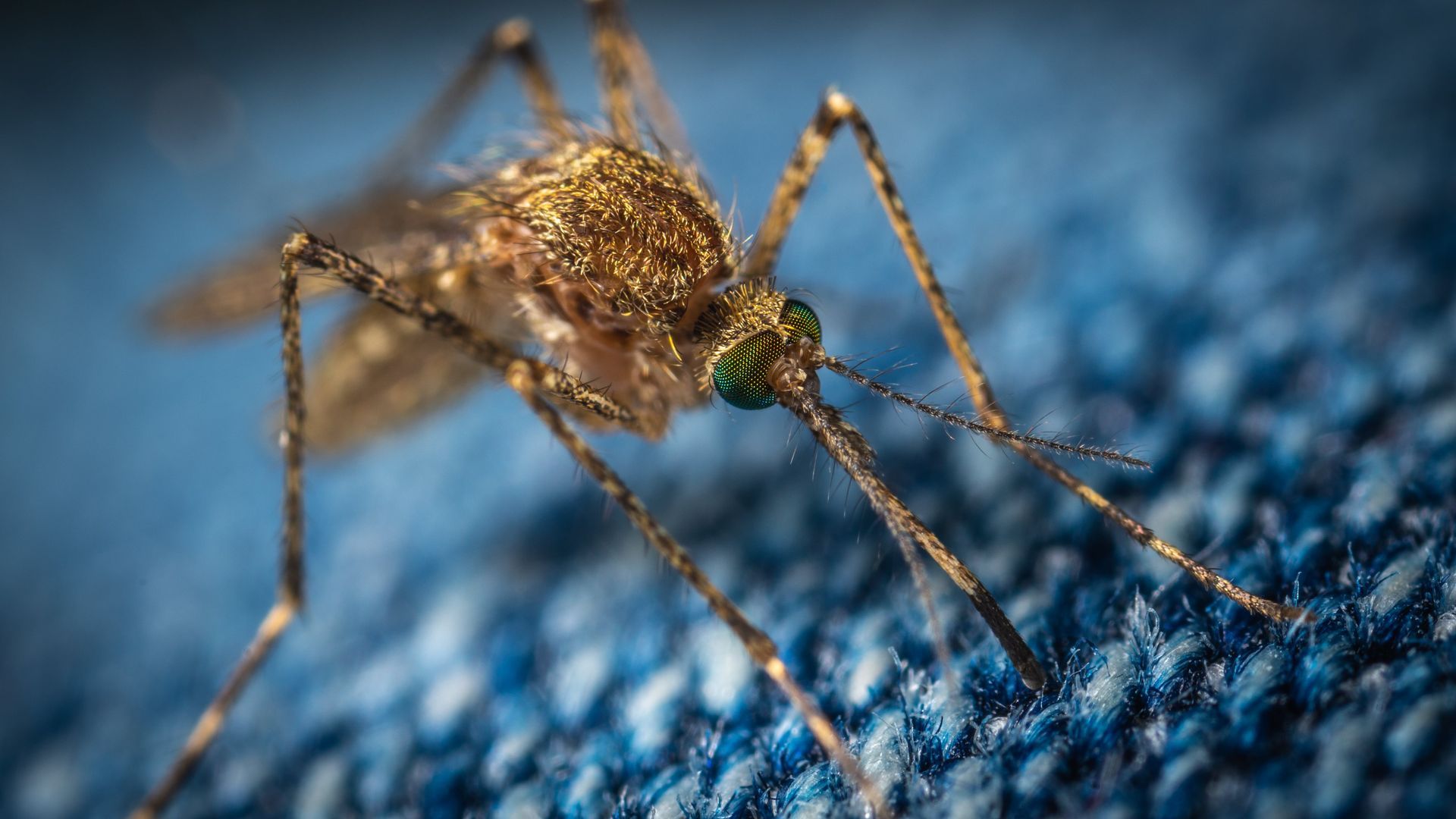
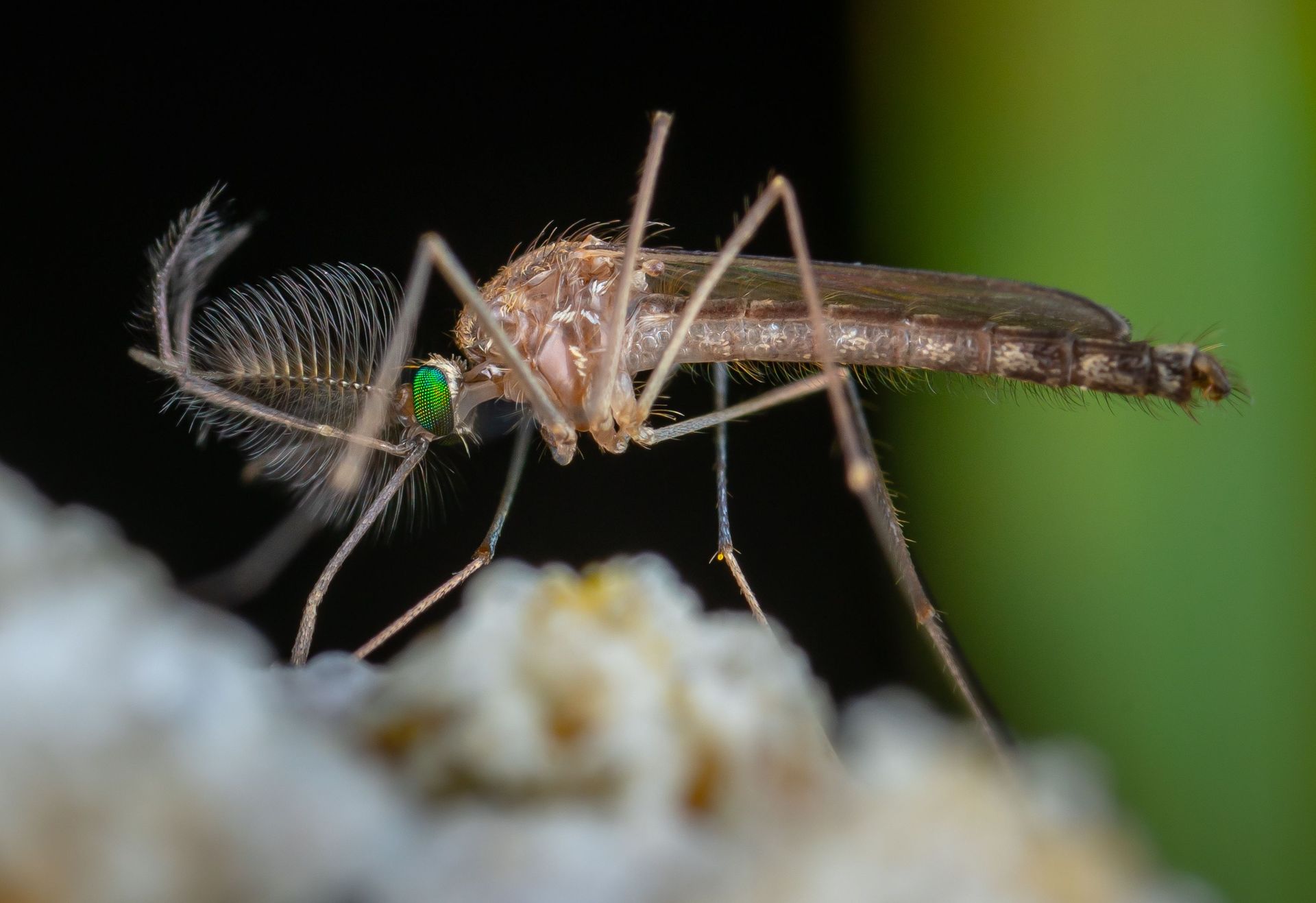
Leaves, pine needles, grass clippings, and other organic material can hold moisture long after rain or irrigation ends. When this debris collects beside foundations or under dense landscaping, it creates cooler, darker shelter that can support insects and the pests that feed on them. Mosquitoes may benefit from nearby standing water, while ants, fleas, and spiders can remain active in damp, shaded zones.
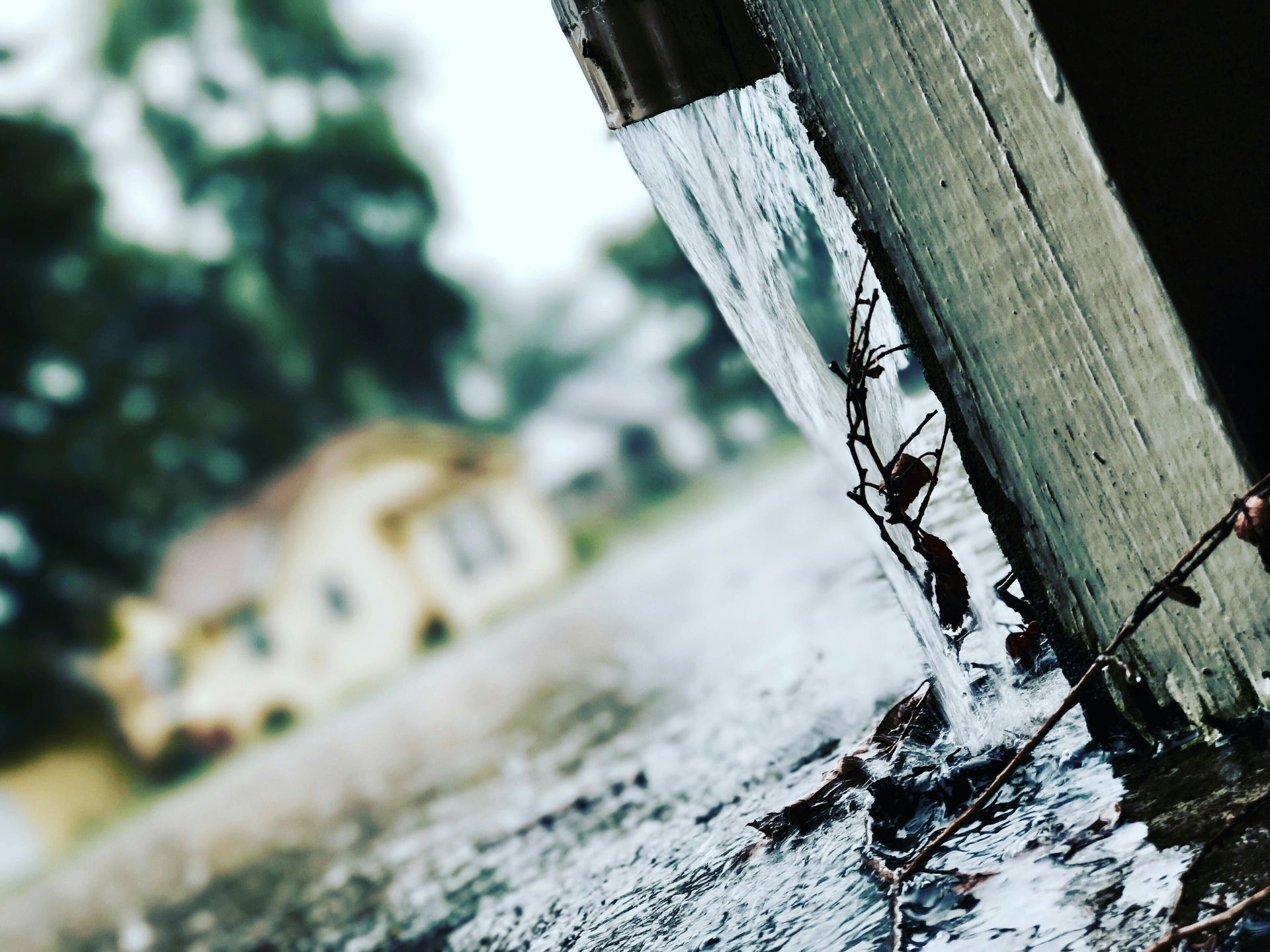
Our article on gutter pest prevention explains how trapped water and organic buildup near rooflines can increase pest pressure. The same principle applies at ground level when debris keeps moisture close to the home.
Areas that deserve attention include:
- Leaf piles that stay damp along fences or foundation edges
- Grass clippings left in shaded corners after lawn work
- Branches or plant debris stacked against sheds or exterior walls
- Mulch mixed with fallen leaves that remains wet for long periods
- Debris around drains where water already collects
- Stored materials that block airflow and make inspection difficult
These conditions do not guarantee an infestation, but they can make the property more useful to pests that are already active nearby.
Debris Can Support Food, Prey, And Hidden Travel Routes
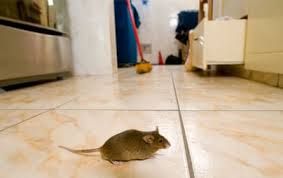
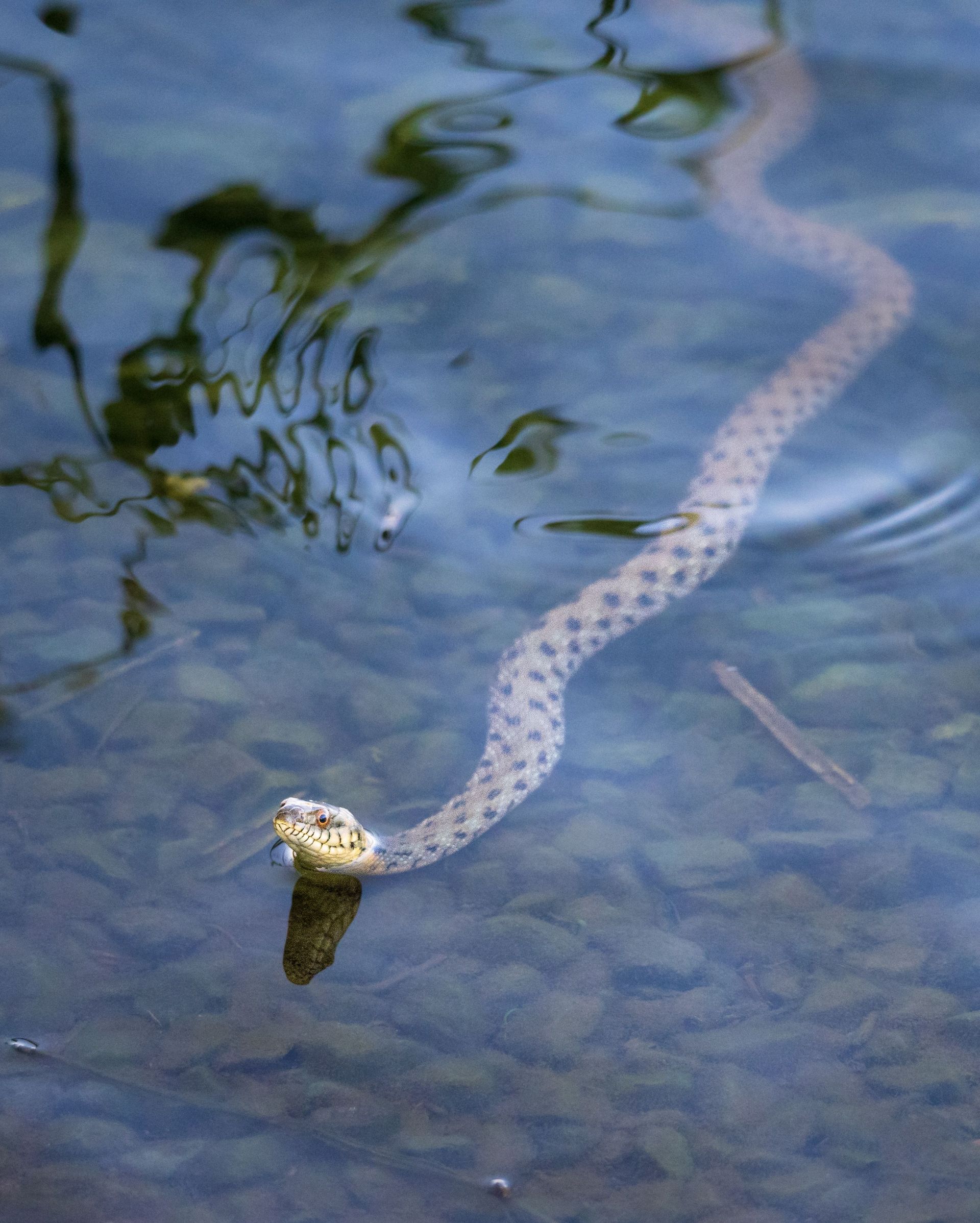
Yard debris does more than provide shelter. It can also support insects that become prey for spiders, rodents, and snakes. Decaying plant material may attract small insects, while shaded clutter can protect crickets, ants, fleas, and other pests from heat, wind, and predators. Once prey concentrates in one area, larger pest activity may follow.
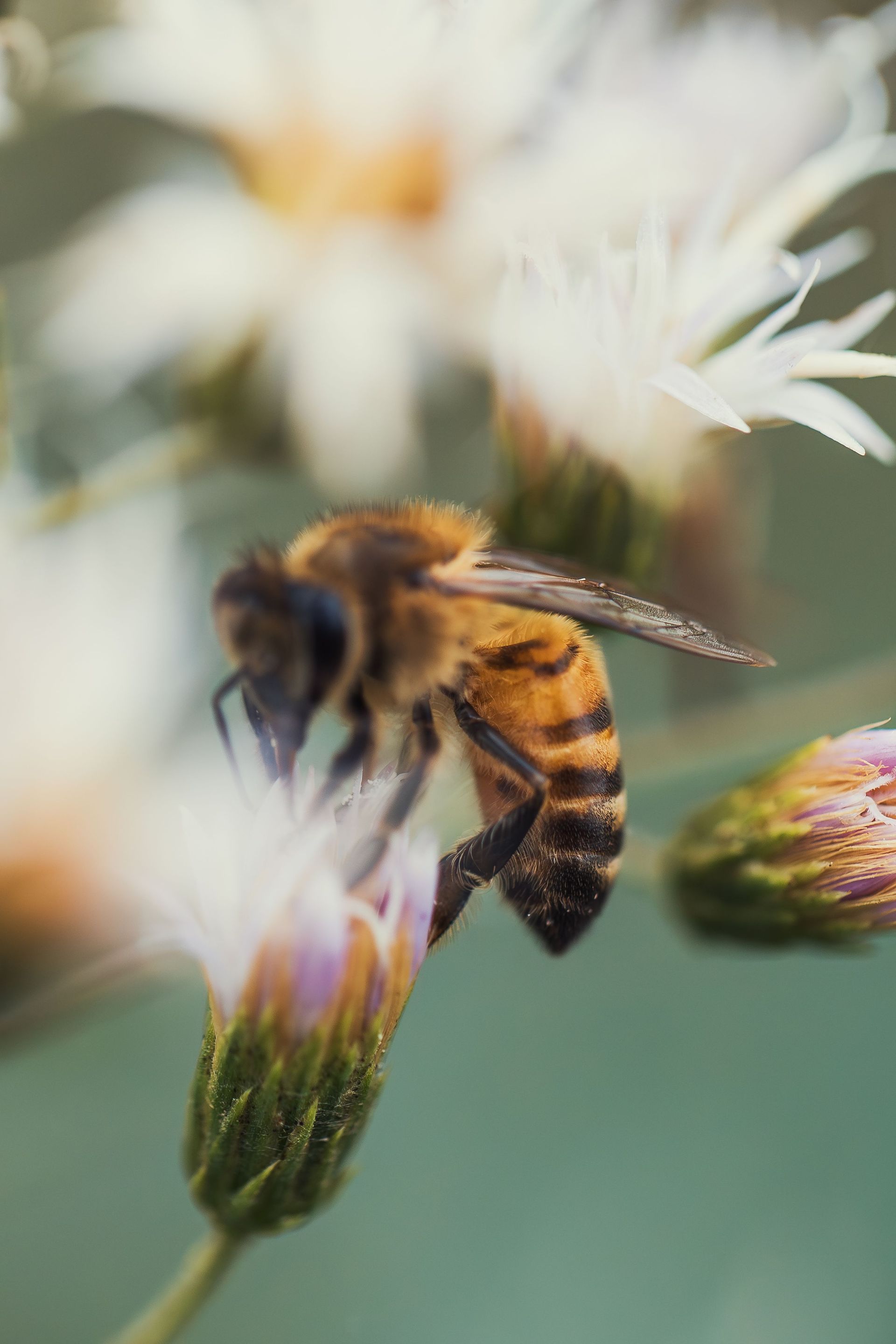
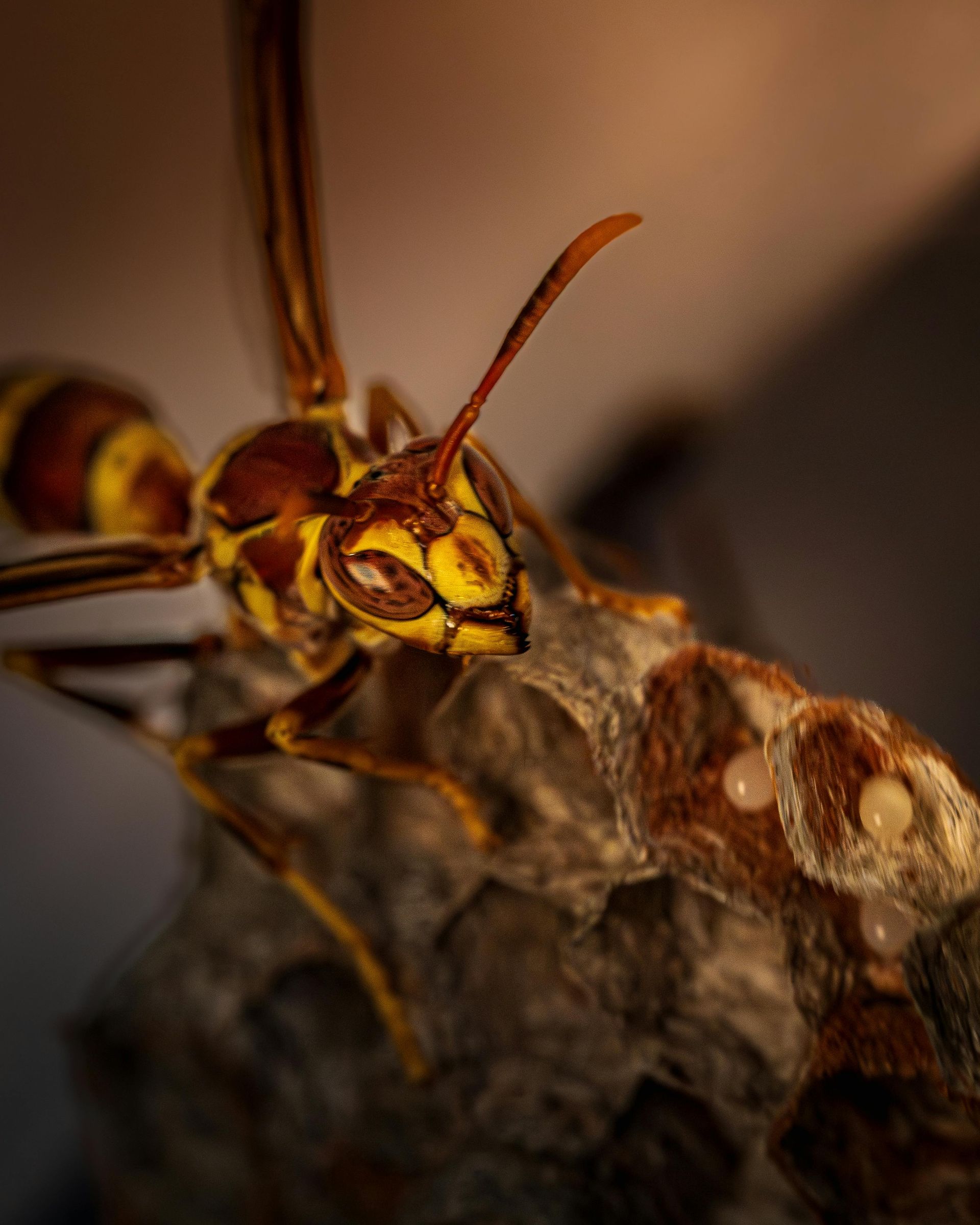
Our technicians also consider how debris creates concealed travel routes. Rodents may move along fence lines, behind stored items, or beneath stacked materials. Snakes may use the same protected spaces while searching for prey or cooler cover. Wasps, hornets, or bees may also favor nearby structures if sheltered nesting locations are available.
Common conditions can include:
- Wood piles that provide gaps for rodents, snakes, and insects
- Overgrown vegetation mixed with fallen debris near exterior walls
- Yard clutter that creates low-disturbance travel corridors
- Stored pots or landscaping materials that collect moisture underneath
- Fence lines where leaves and debris build up season after season
- Shaded corners that concentrate insects and spider activity
Professional inspection helps determine which of these areas are connected to active pest pressure rather than treating every pile of debris as equally important.
Weather Can Turn Ordinary Yard Debris Into A Seasonal Pest Problem
The risk from yard debris changes with the weather. Heavy rain can saturate leaves and mulch, dry heat can push pests toward shaded cover, and cooler conditions can make garages, sheds, and foundation edges more attractive. Our guide to weather-driven pest activity explains how rain, heat, shade, and seasonal changes affect where pests move, nest, feed, and seek shelter.
A weather-aware prevention plan may include:
- Rechecking low spots after storms for damp debris and standing water
- Watching shaded foundation areas when temperatures rise
- Reviewing sheds, patios, and fence lines as seasons change
- Keeping access clear around exterior walls for professional inspection
- Monitoring repeated pest activity after rain or irrigation changes
- Scheduling follow-up when the same pest zones return each season
This approach matters because a yard can appear quiet one week and become active after weather changes moisture, shelter, or food availability.
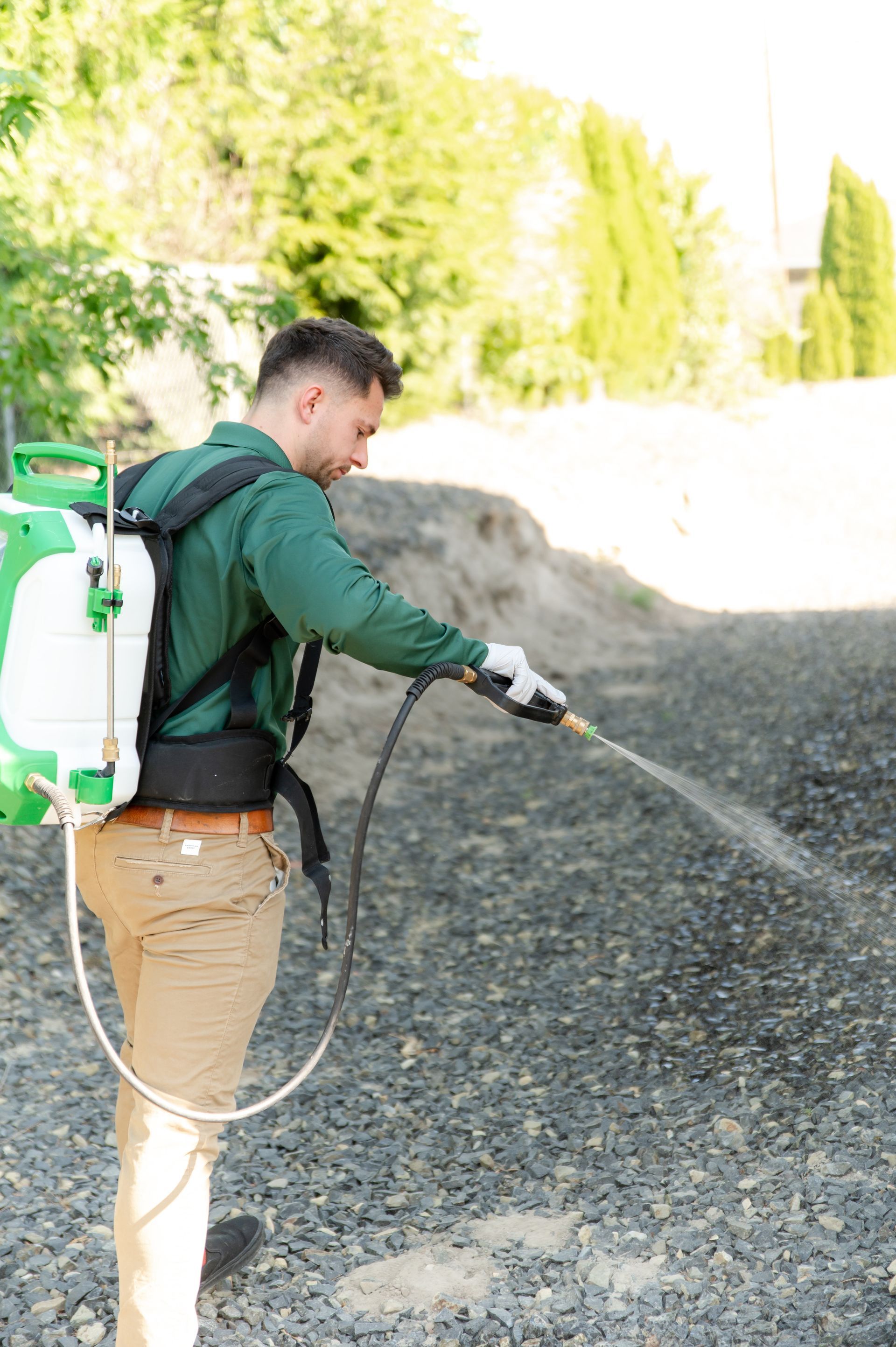
Long-term pest control works best when debris management is combined with inspection, exclusion, moisture correction, and targeted treatment. Removing clutter can make the yard less favorable, but it does not automatically eliminate pests already nesting, breeding, or entering the structure. Our technicians use evidence such as trails, webs, droppings, nesting activity, and recurring sightings to decide what additional steps are appropriate.
Keeping the yard easier to inspect also improves prevention. Clear foundation edges, open access around sheds, and reduced debris near patios make it easier to spot entry points, standing water, nests, or other conditions before they become larger problems.
The goal is not to create a perfectly bare yard. It is to reduce the damp, hidden, low-disturbance zones that allow pest habitats to develop close to the home. When seasonal cleanup and professional evaluation support each other, pest pressure becomes easier to identify and manage before it spreads indoors.
Clear The Conditions That Keep Pests Close
If yard debris, damp landscaping, or recurring outdoor activity is creating pest pressure around your property, contact Bamboo Pest Control for professional inspection, targeted treatment, prevention, and long-term monitoring.