Identify The Hive Before Acting
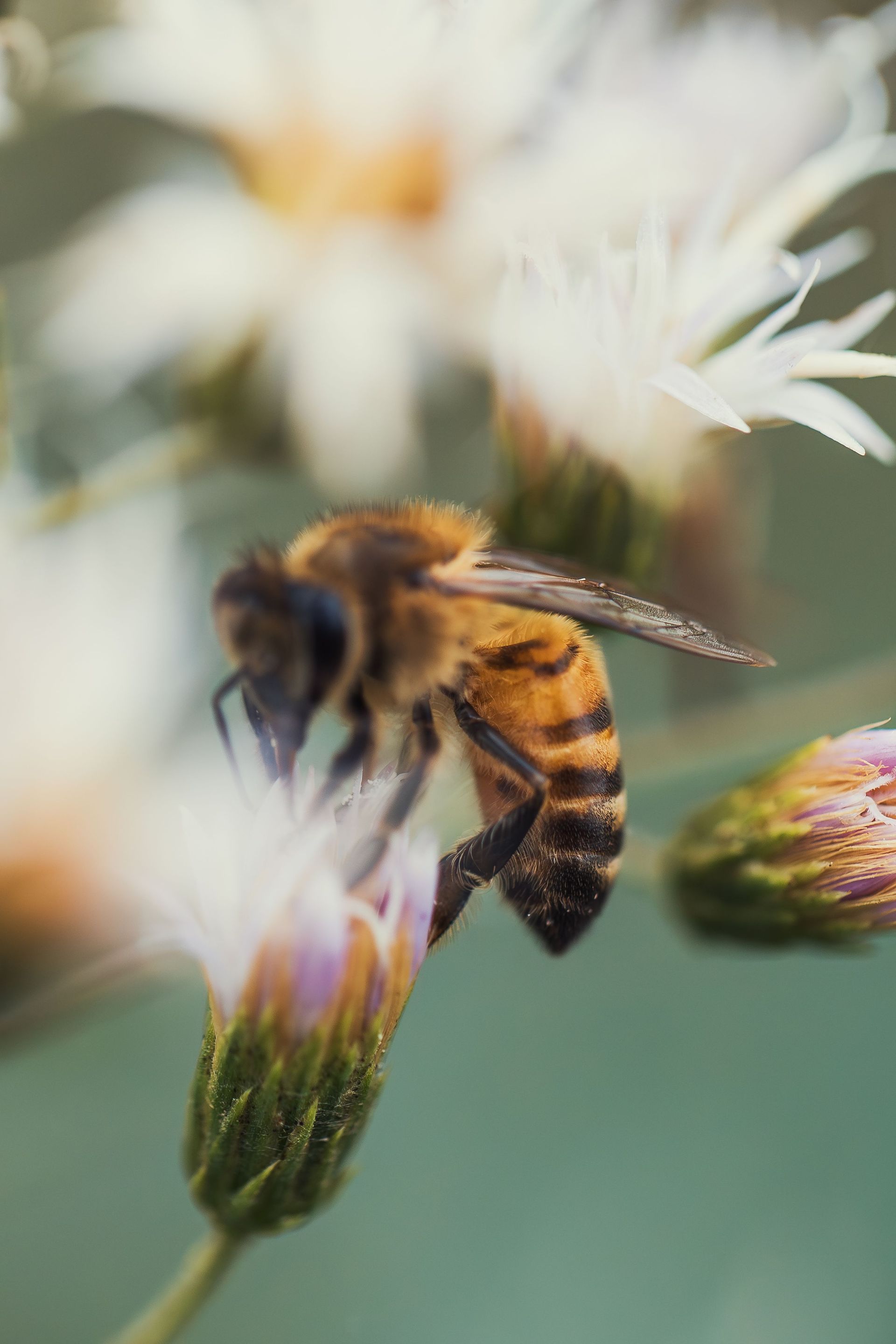
The safest first step is observation from a distance. Bees may gather around an opening without revealing the full hive. Some activity may be a temporary swarm, while other activity may show an established colony using the home as shelter. The response depends on what is actually present.
- Watch where bees enter and exit without standing in their flight path.
- Note whether the activity is near a wall, roofline, tree, shed, or deck.
- Keep children, pets, and visitors away from the area.
- Avoid blocking openings before a professional evaluation is completed.
Sealing an active entry point can force bees deeper into the structure. It can also leave comb, honey, and brood inside, which may attract other pests later.
DIY Disturbance Can Escalate Risk
Many harmful mistakes start with urgency. Homeowners may spray the visible opening, hit the hive, use smoke, pour liquids into gaps, or try to remove comb without the right protection. These actions can make bees defensive and increase sting risk. They can also scatter activity into nearby spaces.
Choosing qualified help matters because bee work involves both safety and judgment. A guide on selecting local pest experts highlights the value of trained technicians, inspection, and proper methods. Bee issues should be handled by someone who understands the difference between a passing swarm, a nesting colony, and another stinging insect problem.
A professional approach protects the household while reducing the chance of incomplete removal.
Hidden Hives Need Structural Awareness
Bees often choose protected cavities. Wall voids, soffits, attic edges, chimneys, sheds, and deck gaps can all provide shelter. When the hive is hidden, the visible bees may not show how far the
colony extends. Removing only the surface activity can leave the real source untouched.
- Wall voids may contain comb that continues attracting pests if left behind.
- Roofline openings can be difficult and unsafe to access without equipment.
- Honey or wax left inside can create odors, staining, or secondary pest pressure.
- Repeated activity near the same gap usually means the site needs closer inspection.
Bee removal is more than stopping flight activity. The structure, hive material, entry point, and future access should all be considered before the job is treated as complete.
Eco-Conscious Methods Require Planning
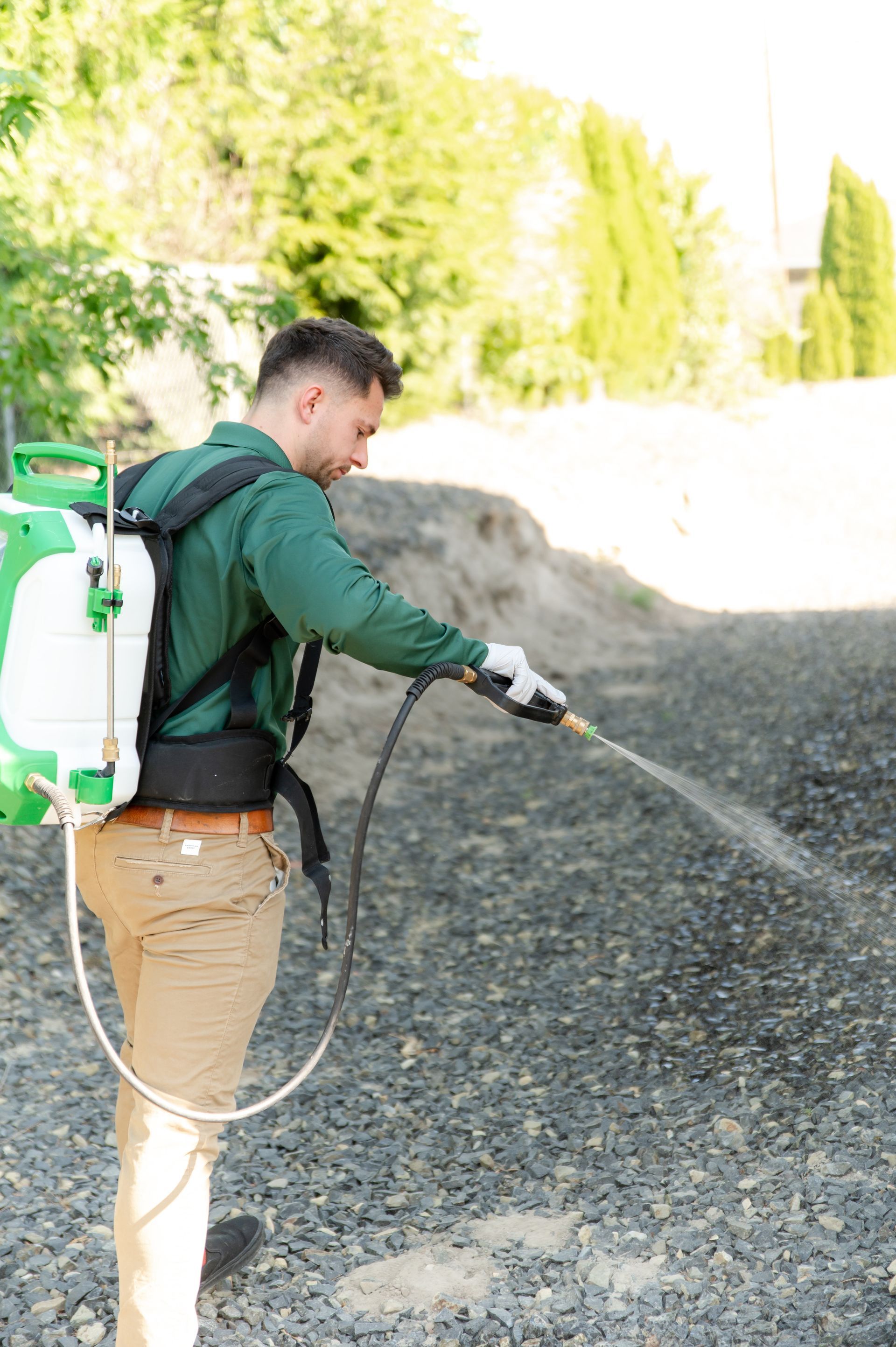
Safe bee work should also consider environmental responsibility. Bees are important pollinators, so service should be thoughtful, targeted, and based on the situation. Eco-conscious pest management does not mean ignoring a risky hive near people. It means using informed methods that reduce unnecessary disruption while still protecting the home.
A discussion of eco-friendly methods is relevant because responsible pest service balances effectiveness, safety, and cost. With bees, that balance may include careful inspection, controlled removal, exclusion guidance, and prevention steps that reduce the chance of another colony moving into the same space.
Professional judgment is important because every hive location is different. A tree cavity, wall void, roofline gap, or shed may require a different plan.
Prevention Helps Avoid Repeat Bee Activity
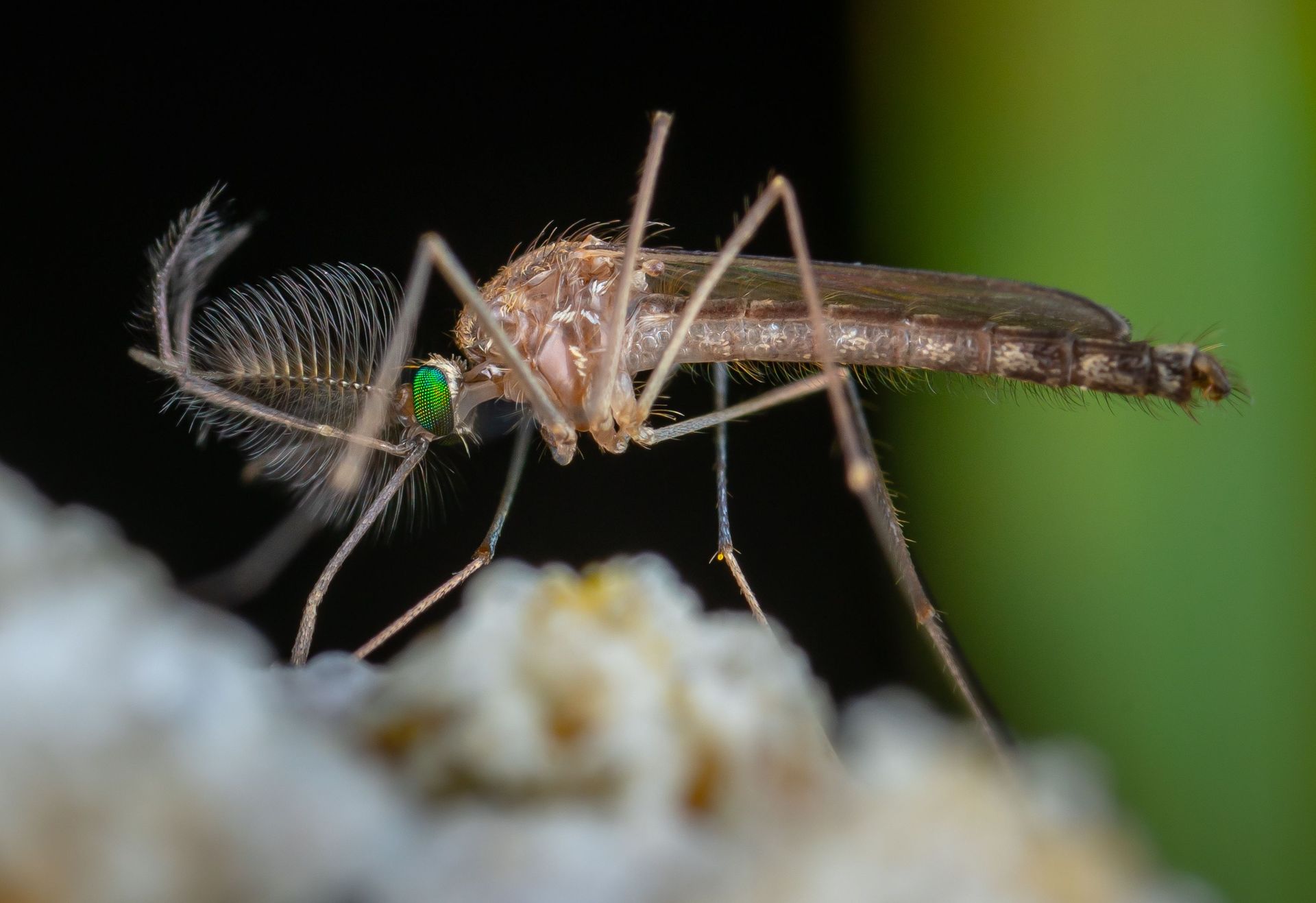
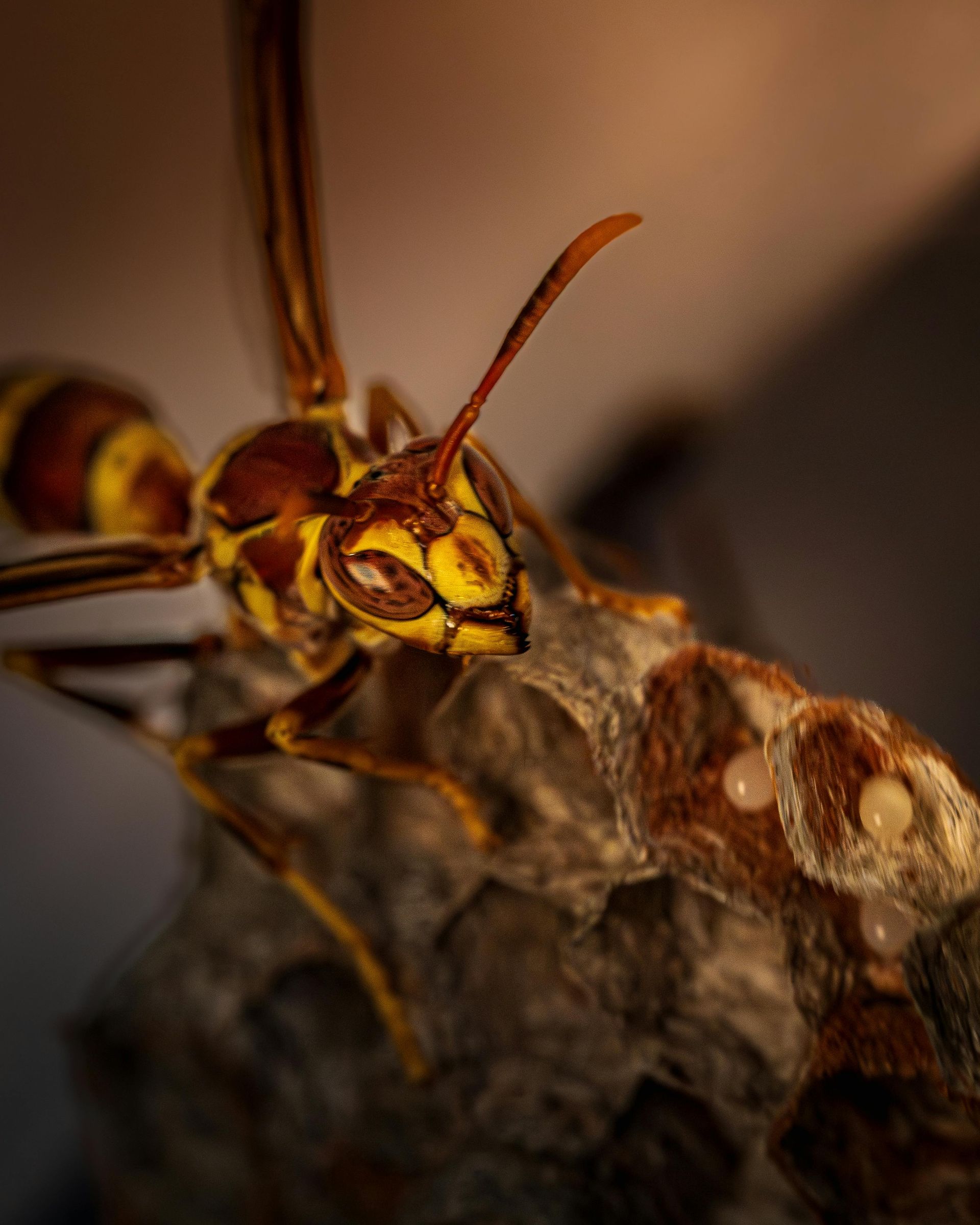
After the immediate concern is handled, prevention becomes the next priority. Bees may return to areas that offer shelter, old scent cues, or easy access. Other pests handled around homes, including ants, spiders, rodents, fleas, mosquitoes, wasps, hornets, and snakes, may also take advantage of clutter, gaps, moisture, or sheltered spaces.
- Inspect exterior gaps around soffits, vents, sheds, decks, and utility lines.
- Reduce clutter and hidden cavities near patios, fences, and storage areas.
- Watch for repeated bee traffic near the same opening.
- Schedule professional service when activity appears close to people or pets.
Safe bee removal protects more than the moment. It helps prevent a stressful situation from becoming a recurring property issue. Homeowners do not need to guess, climb, spray, or disturb a hive to prove there is a problem. A careful inspection and trained response can confirm what is happening and guide the safest next step.
Handle Bee Activity With Care
When bee activity appears near your home, safety, structure, and responsible handling should guide the response. For careful bee removal, hive evaluation, and prevention-focused support that helps protect your family, pets, and property, contact Bamboo Pest Control for professional service shaped around your home.