Spring Pest Control Tips For Washington Homeowners

May 21, 2026

Spring in Washington brings damp soil, fast-growing vegetation, mild temperatures, and a clear rise in pest activity. Ants move along foundations, mosquitoes gather near shaded water sources, spiders appear around storage areas, and rodents may continue using crawl spaces after winter.


Effective spring pest control starts before pests become obvious indoors. The goal is to understand how moisture, landscaping, and seasonal changes create food, shelter, and breeding conditions. A prevention-focused plan helps reduce spring pressure while supporting stronger long-term protection through summer.


Start with moisture, drainage, and exterior conditions

Washington’s spring weather creates one of the strongest pest attractants: moisture. Damp soil, clogged gutters, shaded mulch, and standing water can support ants, mosquitoes, cockroaches, and other pests that thrive in humid spaces. Moisture can also soften wood, which may increase concern around carpenter ants and other wood-associated pests.


A professional inspection looks beyond visible activity. It connects pest pressure to the conditions making the home attractive. Visible insects may only be the symptom, while the real issue sits near the foundation, crawl space, roofline, or landscape edge. For homeowners thinking beyond spring alone, seasonal pest planning explains why timing and changing weather patterns matter.


  • Check gutters for leaf buildup that can hold water near the roofline
  • Watch for standing water in planters, buckets, birdbaths, and low yard areas
  • Keep mulch, dense plants, and stored materials from pressing against the siding
  • Pay attention to damp crawl-space odors or musty basement conditions
  • Trim shrubs so foundation lines and entry zones stay visible


Moisture control is a pest-pressure issue. When damp areas are reduced, many pests lose the conditions needed to nest, breed, or forage close to the structure.

Reinforce the home before pests move farther inside

Spring is a transition season. As temperatures rise, pests become more active outside, but many still use homes for shelter, food, warmth, and nesting access. Small cracks, utility openings, torn screens, garage gaps, and loose weatherstripping can become quiet entry points before an infestation becomes noticeable.


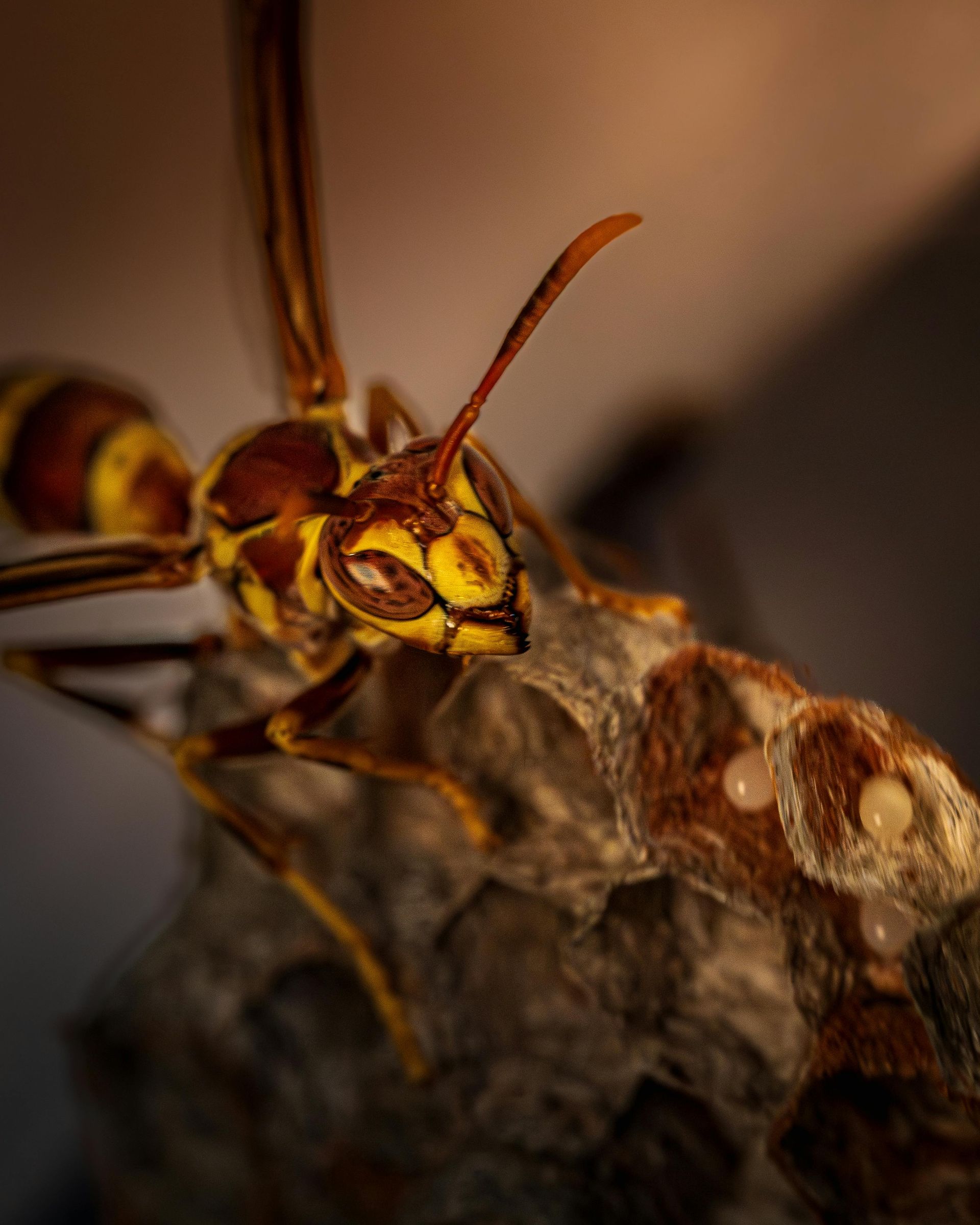
This is where prevention becomes more effective than one-time treatment. Ants may follow tiny foundation gaps. Rodents can use small openings near utility lines or crawl-space vents. Spiders often follow prey into protected corners. Wasps and hornets may explore eaves and overhangs before nest activity becomes obvious.


  • Inspect door sweeps, garage seals, window screens, and crawl-space access points
  • Look for gaps around pipes, cables, vents, and exterior utility penetrations
  • Keep firewood, boxes, and unused outdoor items away from exterior walls
  • Clear cobwebs and insect activity from eaves, patios, sheds, and balconies
  • Schedule a detailed perimeter inspection before peak summer activity builds


A strong spring pest control plan should include treatment and exclusion awareness. Treatment addresses existing pressure, while entry-point evaluation helps reduce repeat problems. That combination matters in Washington because mild seasonal conditions can allow pests to remain active across more months of the year.

Target spring pests with a long-term prevention rhythm

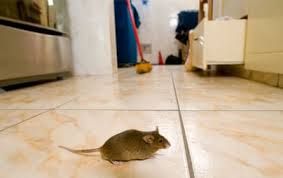
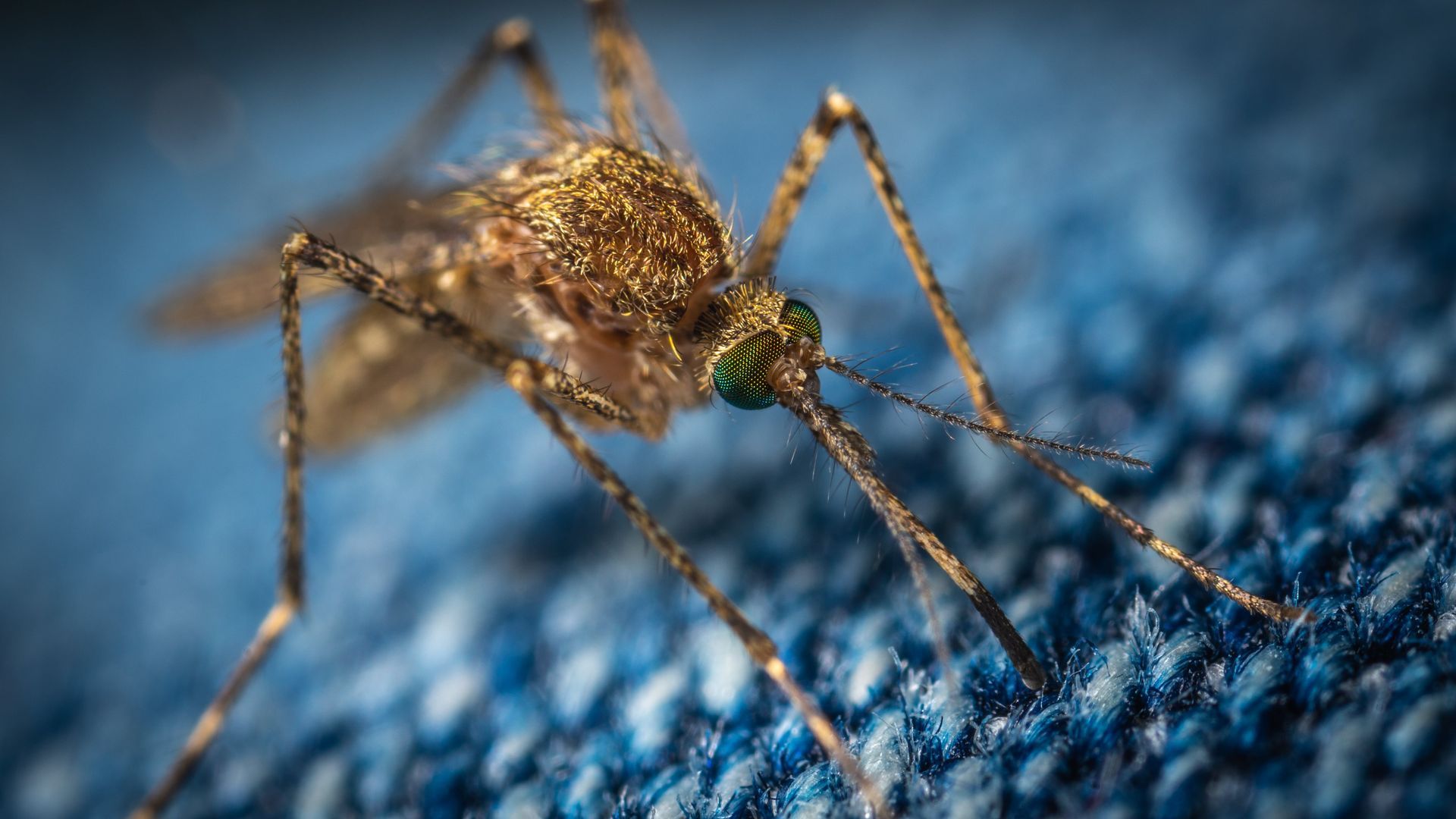
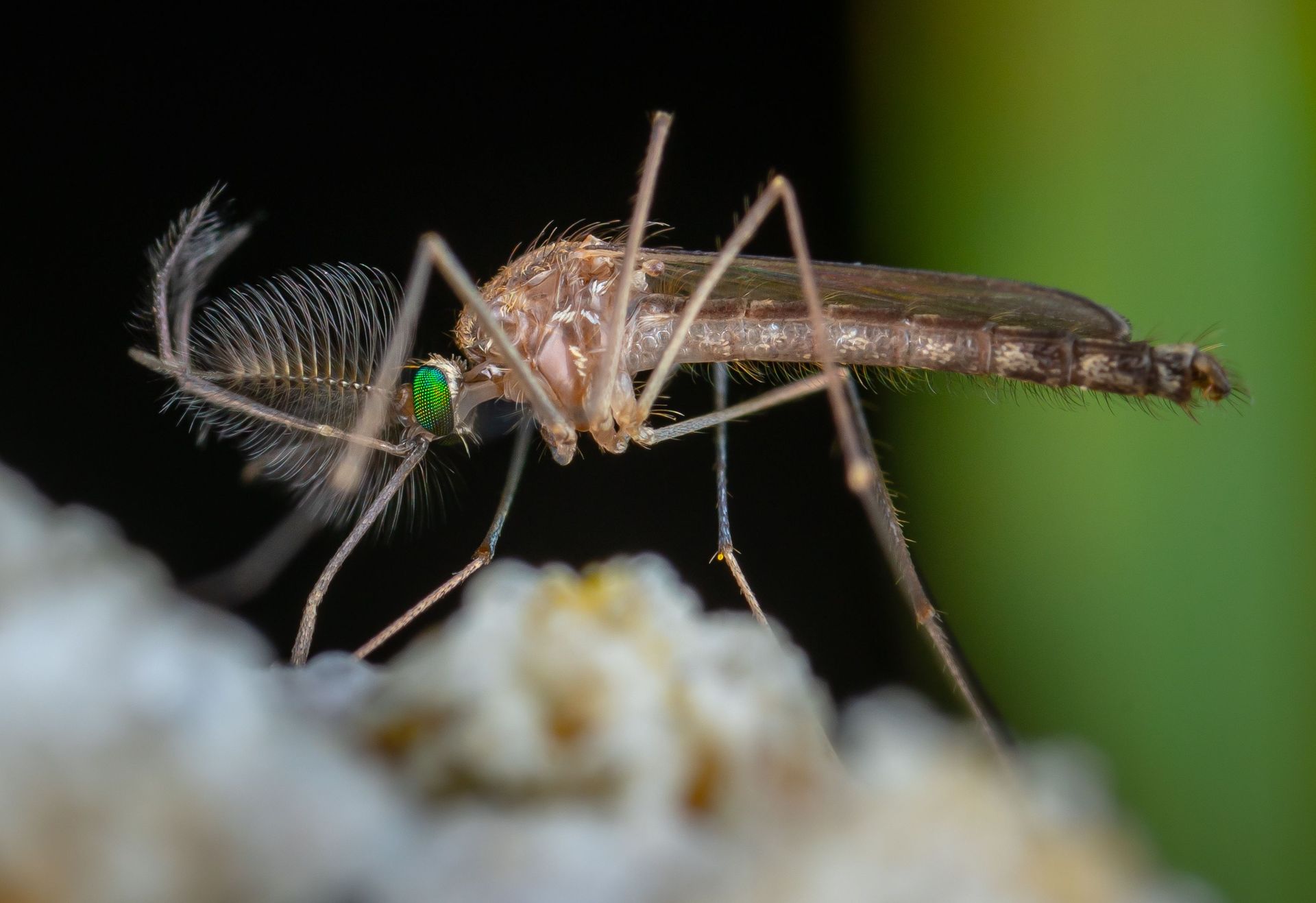
Different pests respond to spring in different ways. Ants become more visible as colonies expand and search for food. Mosquitoes increase when standing water and shaded resting areas are available. Spiders become more noticeable as insect activity rises. Rodents may remain active near garages, sheds, crawl spaces, and wall voids.


This is why broad, guess-based treatment can be inefficient. Professional pest control depends on identification, placement, timing, and follow-up. The best plan for ants is not the same as the best plan for mosquitoes or rodents. Homeowners who prefer lower-impact options can also learn more about eco-friendly methods and how targeted strategies support efficiency.


  • Ants often need colony-focused treatment, not just surface-level cleanup
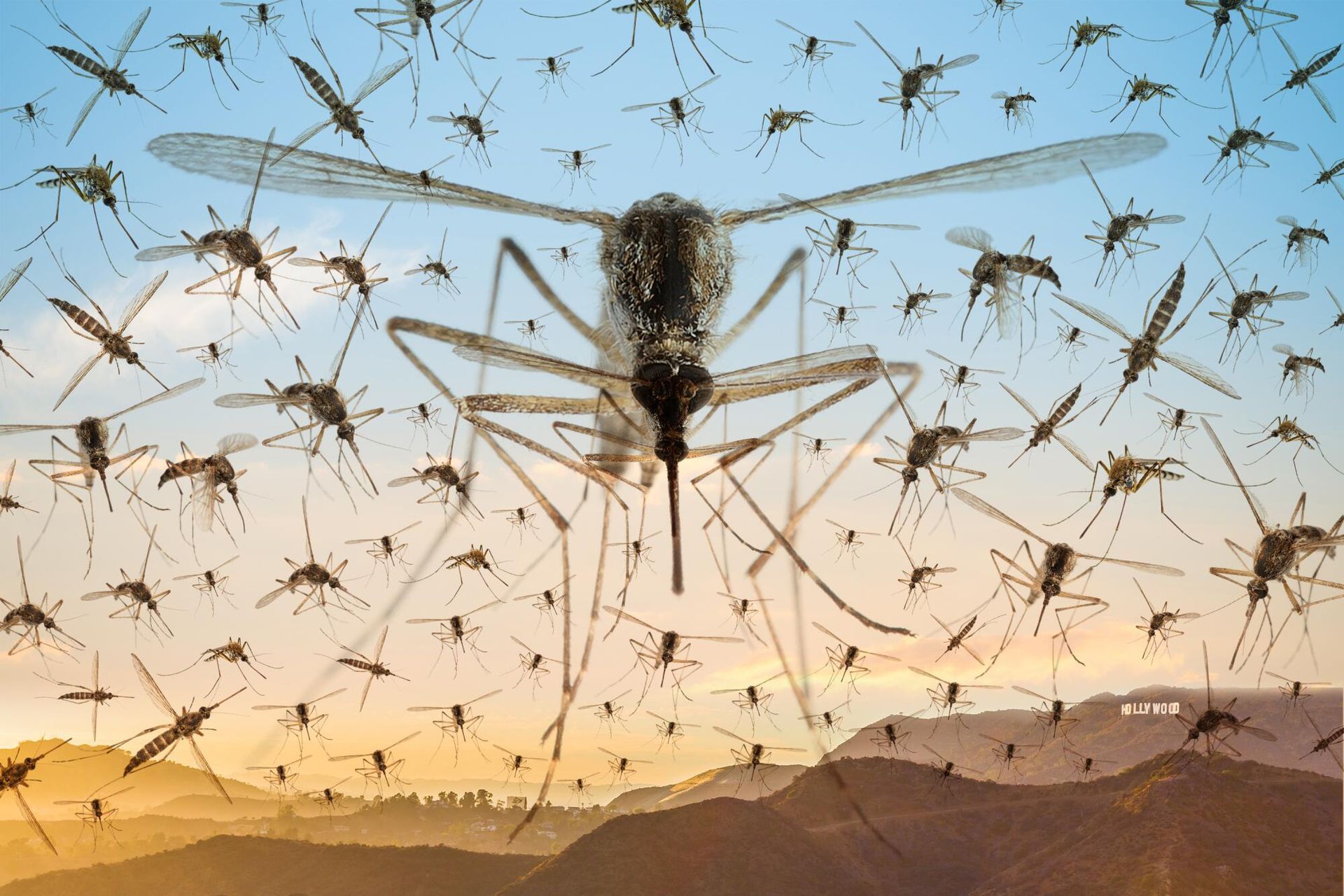
  • Mosquitoes require attention to breeding sites, resting zones, and shaded vegetation
  • Rodents call for entry-point review, monitoring, and structured control measures
  • Spiders are often reduced by lowering the insect activity that attracts them
  • Wasps and hornets should be handled carefully before nests become larger


Spring is the best time to set the tone for the rest of the year. Once summer arrives, pest populations often grow faster, outdoor activity increases, and treatment timing becomes more urgent. A long-term rhythm gives homeowners a better chance of staying ahead rather than responding after pests have settled in.


That rhythm usually includes routine inspections, perimeter treatments, moisture evaluation, entry-point checks, and seasonal adjustments based on what is happening around the property. It also allows professionals to notice changes over time, such as new ant trails, rodent access points, mosquito breeding sources, or wasp activity near eaves.


The most reliable pest control plans are built around observation, timing, and steady prevention. Washington homes face unique pressure from rain, vegetation, shade, and mild seasonal shifts, so consistency matters. A property checked and adjusted in spring is often easier to protect through the heavier pest months ahead.

Keep Spring Pest Pressure Under Control

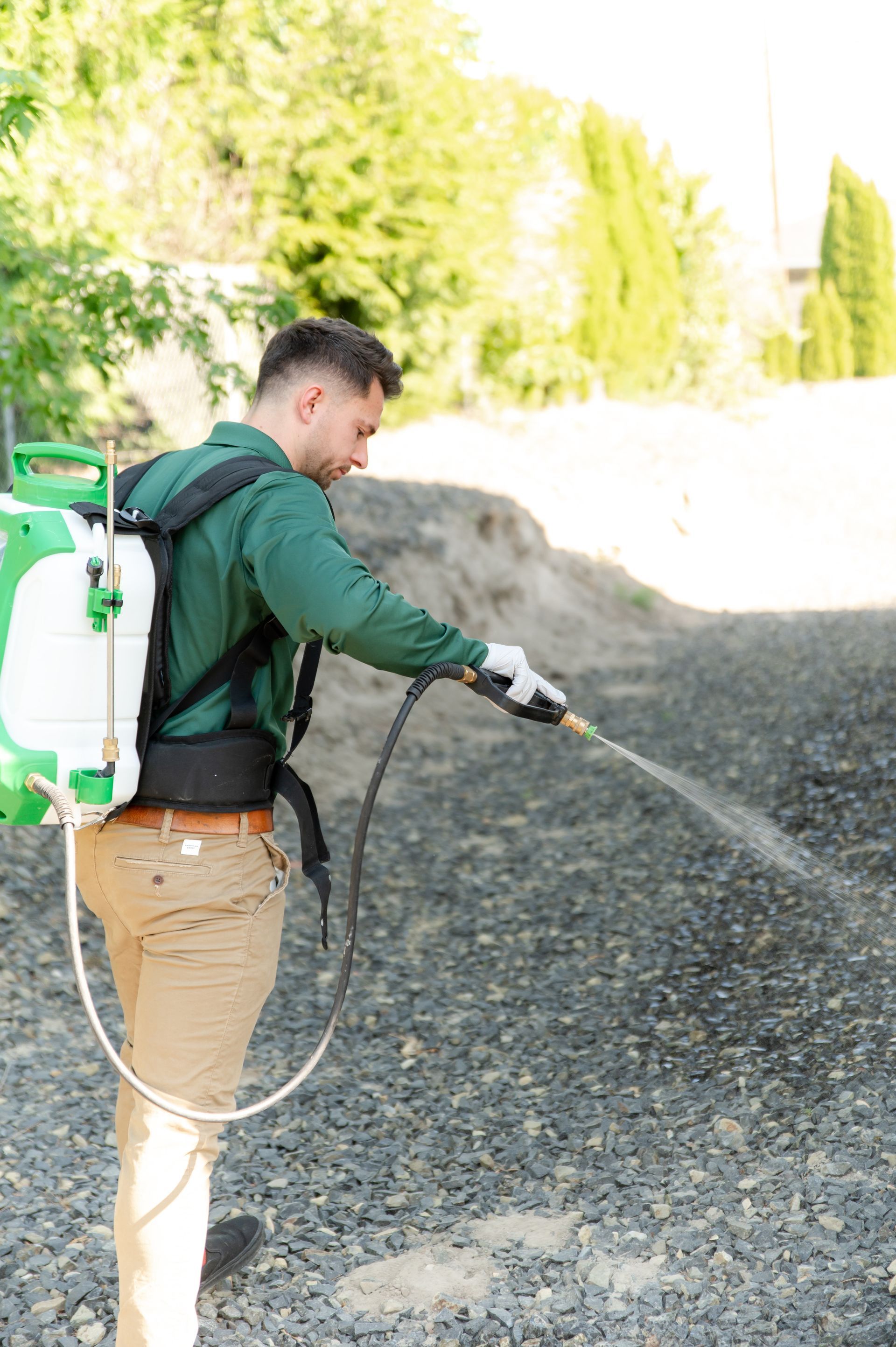
For expert support with spring pest concerns and long-term home protection, contact Bamboo Pest Control to schedule professional pest control service.

Like this content? Share it!

By Gary Gill May 15, 2026
Learn what to expect from an emergency pest control service, including inspections, treatment steps, response times, long-term control, and prevention.
By Gary Gill May 7, 2026
Learn how to prepare your home for professional pest control, with cleaning, access, and safety steps that help treatments work effectively and last longer.
By Gary Gill May 1, 2026
Outdoor gatherings are meant to be enjoyed, yet mosquito activity can quickly disrupt even the most carefully planned event. Whether it is a backyard celebration, a family gathering, or a seasonal occasion, timing plays a crucial role in maintaining comfort. This is where mosquito treatment becomes an important consideration.  Many homeowners wonder if treatments can be coordinated around specific dates without affecting effectiveness. The answer depends on understanding how mosquito behavior, treatment timing, and environmental conditions work together. When properly planned, treatments can align with events while still delivering reliable results. Mosquito control is not simply about reacting on the day of an event. It involves preparation that begins before guests arrive and continues afterward to maintain a consistent level of protection.
By Gary Gill April 24, 2026
Explore cost-effective, eco-friendly pest control methods that reduce impact while delivering results, and strategies that improve pest control efficiency.
By Gary Gill April 16, 2026
Spring is one of the most active seasons for ants. As temperatures rise and moisture levels increase, ant colonies begin to expand and search for reliable food sources. This shift often leads them directly into homes and structures, where they can quickly establish trails and nesting sites. From a professional perspective, ant prevention during spring is most effective when it is proactive rather than reactive. Waiting until ants become visible often means that colonies are already well established. A structured pest control approach focuses on early detection, targeted treatments, and long-term prevention strategies that address the root cause of activity.
By Gary Gill April 9, 2026
Pest activity does not stay consistent throughout the year. Changes in temperature, moisture, and food availability influence how pests behave, where they hide, and how quickly they multiply. What works in one season may not be enough in another, which is why prevention strategies should evolve rather than remain static.  From an expert perspective, effective pest management is not about reacting to visible problems. It is about anticipating shifts before they escalate. A well-timed pest inspection helps identify early patterns that often go unnoticed, allowing adjustments that keep infestations from gaining momentum.
By Gary Gill April 3, 2026
Mosquitoes can turn a comfortable yard into a space that feels difficult to enjoy. Their presence is not only disruptive, but also persistent. Once they find a suitable environment, they tend to return quickly. That is why mosquito control is less about a single fix and more about combining immediate action with ongoing prevention. For homeowners looking for fast results, the key is understanding how mosquitoes live, where they breed, and what conditions allow them to stay active. A targeted approach can significantly reduce activity in a short period of time, especially when the right areas are addressed first.
By Gary Gill March 27, 2026
Modern pest control is no longer defined by elimination alone. It has shifted toward balance. The goal is to manage pest activity while minimizing unintended effects on surrounding ecosystems, indoor environments, and long-term environmental health.  Eco-friendly pest solutions are designed with that balance in mind. They focus on targeted treatments, reduced chemical exposure, and strategies that align with natural processes rather than disrupt them. When applied correctly, these methods can address pest issues while supporting environmental stability.
By Gary Gill March 20, 2026
Seattle’s environment creates a unique set of conditions that allow pests to thrive throughout the year. Mild temperatures, consistent rainfall, and dense vegetation all contribute to increased pest activity across residential and commercial properties. What may seem like a seasonal concern often becomes an ongoing issue when left unaddressed.  A pest prevention plan is designed to manage these conditions before they lead to active infestations. Rather than reacting to visible problems, it focuses on early detection, consistent monitoring, and targeted intervention. This proactive approach plays a key role in maintaining a stable and protected property.
By Gary Gill March 12, 2026
Spring often brings warmer days, blooming landscapes, and renewed outdoor activity. It also marks a noticeable rise in ant sightings around homes and commercial properties. From kitchen counters to foundation lines, ants seem to reappear almost overnight. This seasonal surge is not random. It is driven by environmental changes and colony behavior that naturally intensify during this time of year. Understanding why ants become more active in spring is the first step toward preventing larger infestations. As pest management professionals, we see a clear pattern each year. Temperature shifts, moisture levels, and colony expansion all contribute to the increased need for proactive ant control.
Show More Blog Posts