Each Season Creates Different Pest Pressure
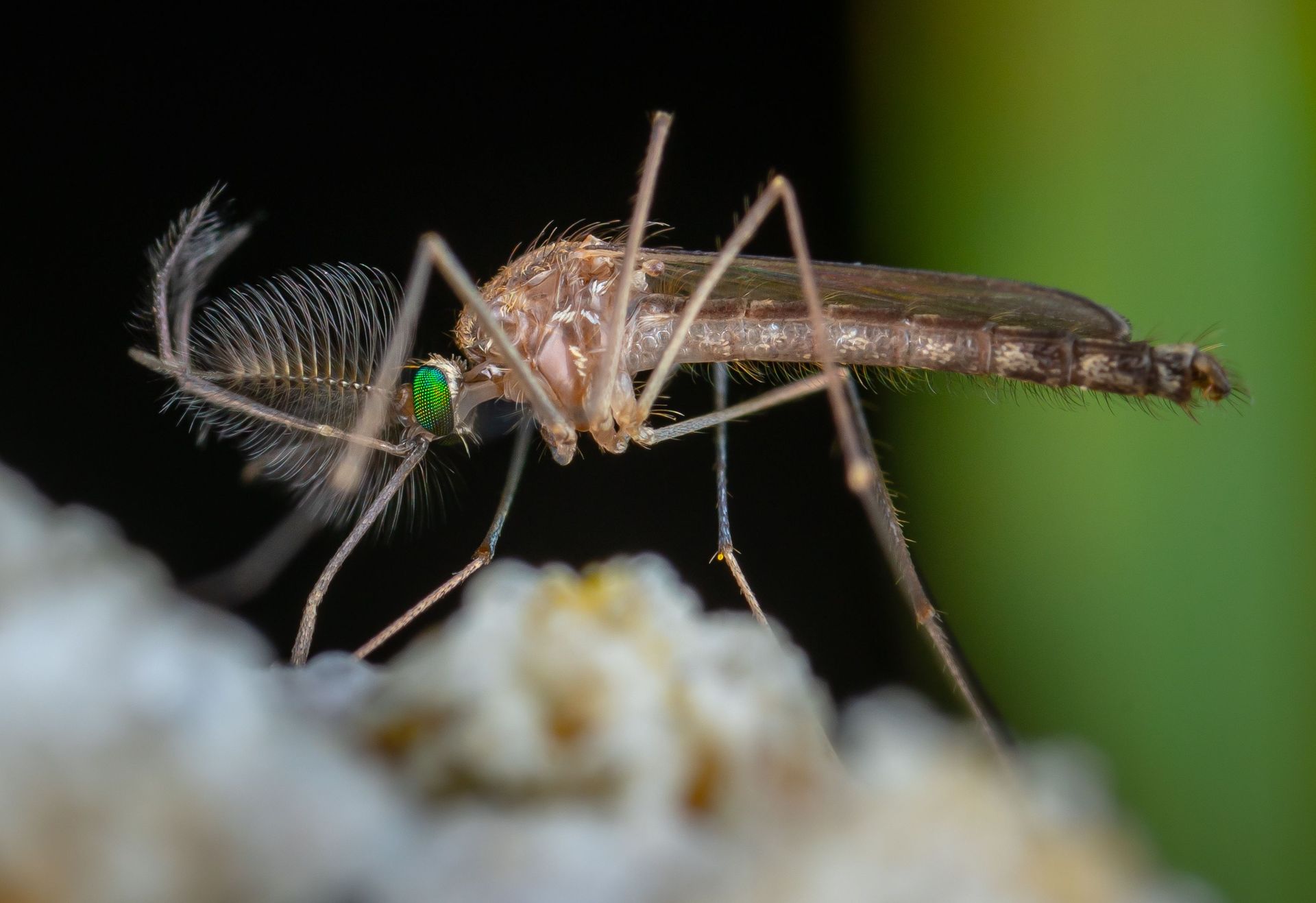
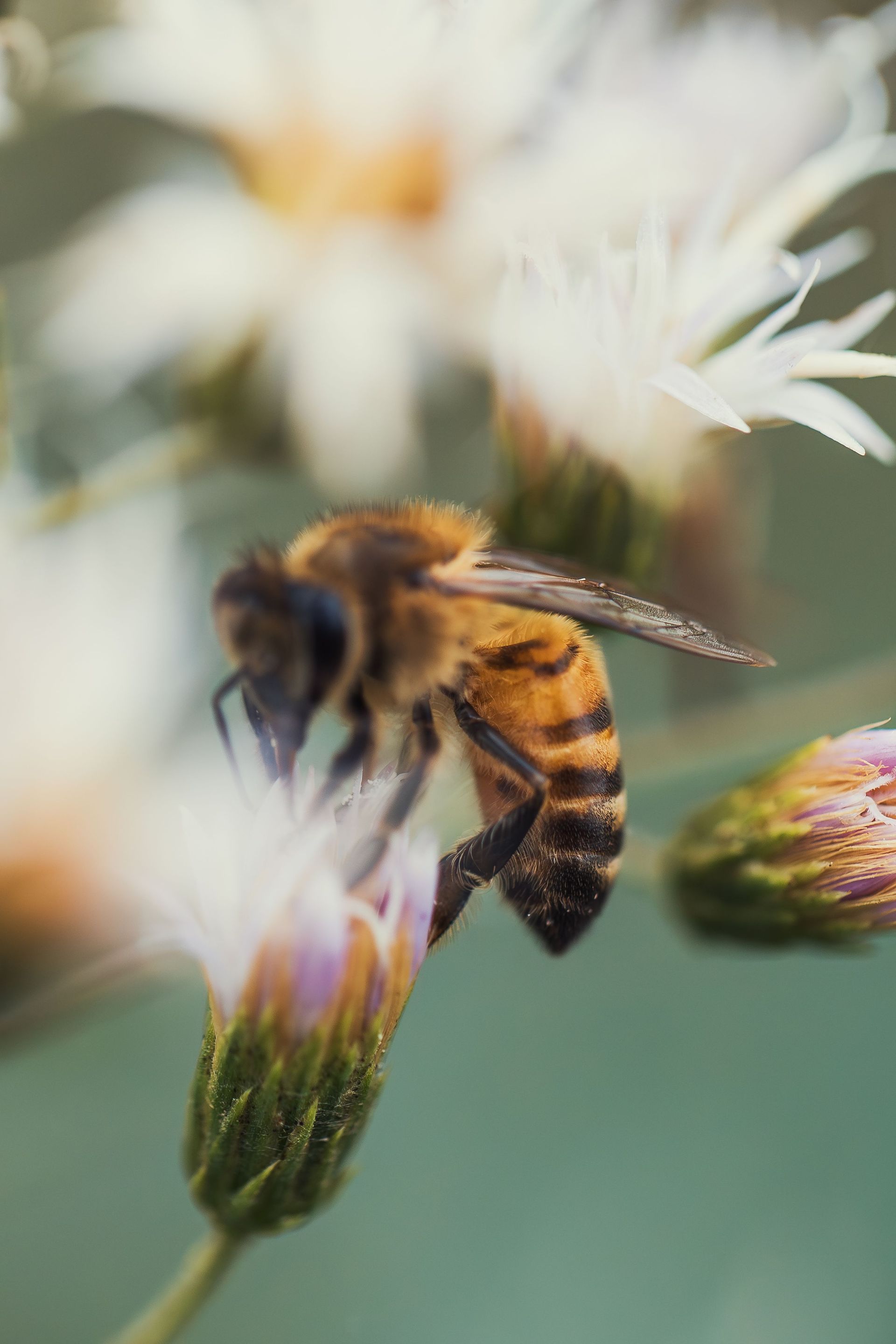
Spring moisture and warmer temperatures can increase breeding, nesting, and foraging. Summer heat may push pests toward shade and water, while autumn and winter can make garages, crawl spaces, wall gaps, and other sheltered areas more attractive.
Seasonal plans account for conditions such as:
- Rainfall that disturbs ant colonies or creates mosquito-breeding water.
- Heat that changes where spiders, rodents, and other pests seek shelter.
- Vegetation growth that creates shade, moisture, and hidden travel routes.
- Colder weather that increases pressure around doors, foundations, and rooflines.
- Seasonal food sources that keep pests active near homes and yards.
These patterns explain why the same treatment schedule or placement may not fit every part of the year. A professional plan can shift its focus as the property and the surrounding environment change.
Weather Awareness Improves Treatment Timing
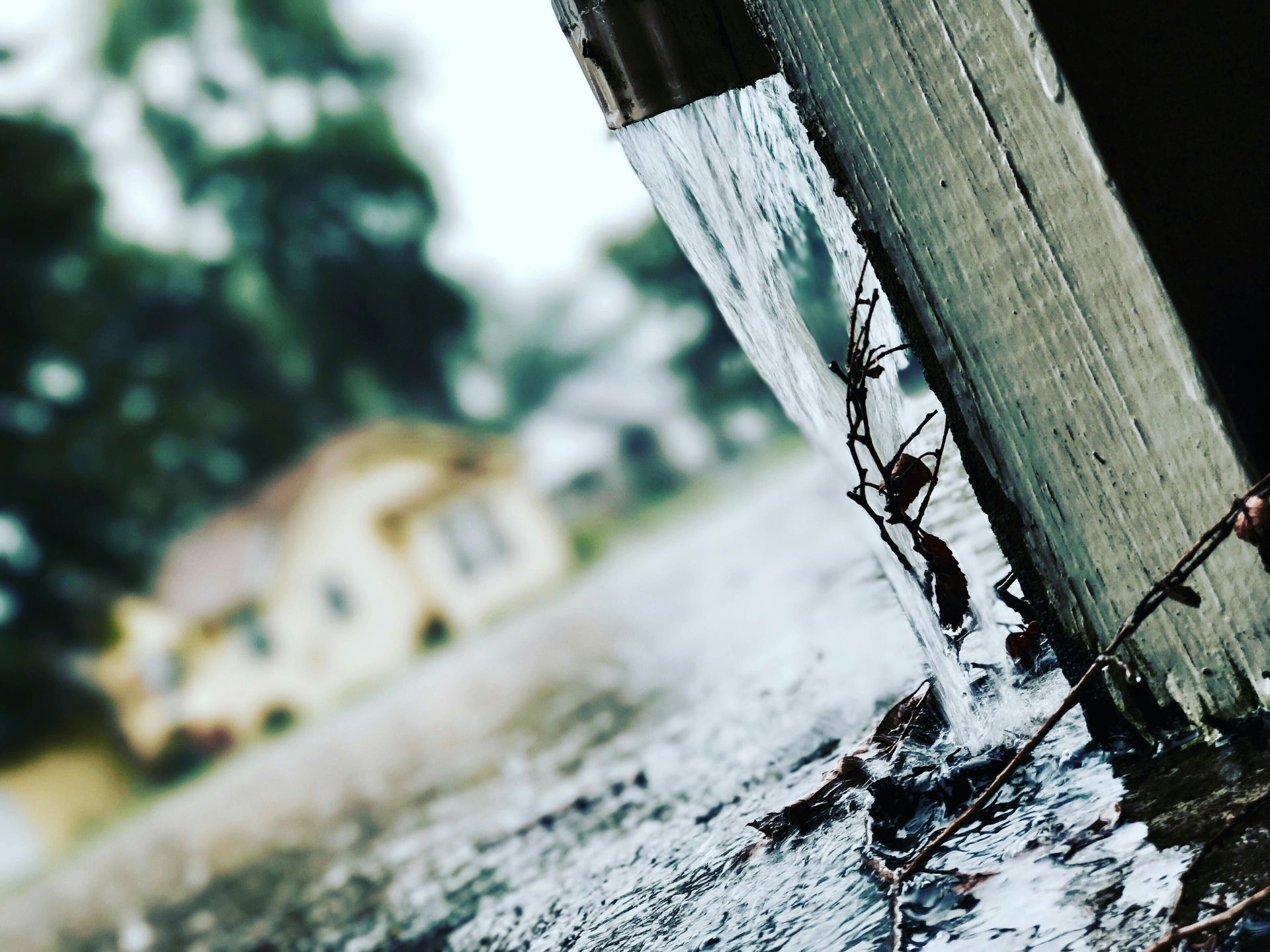
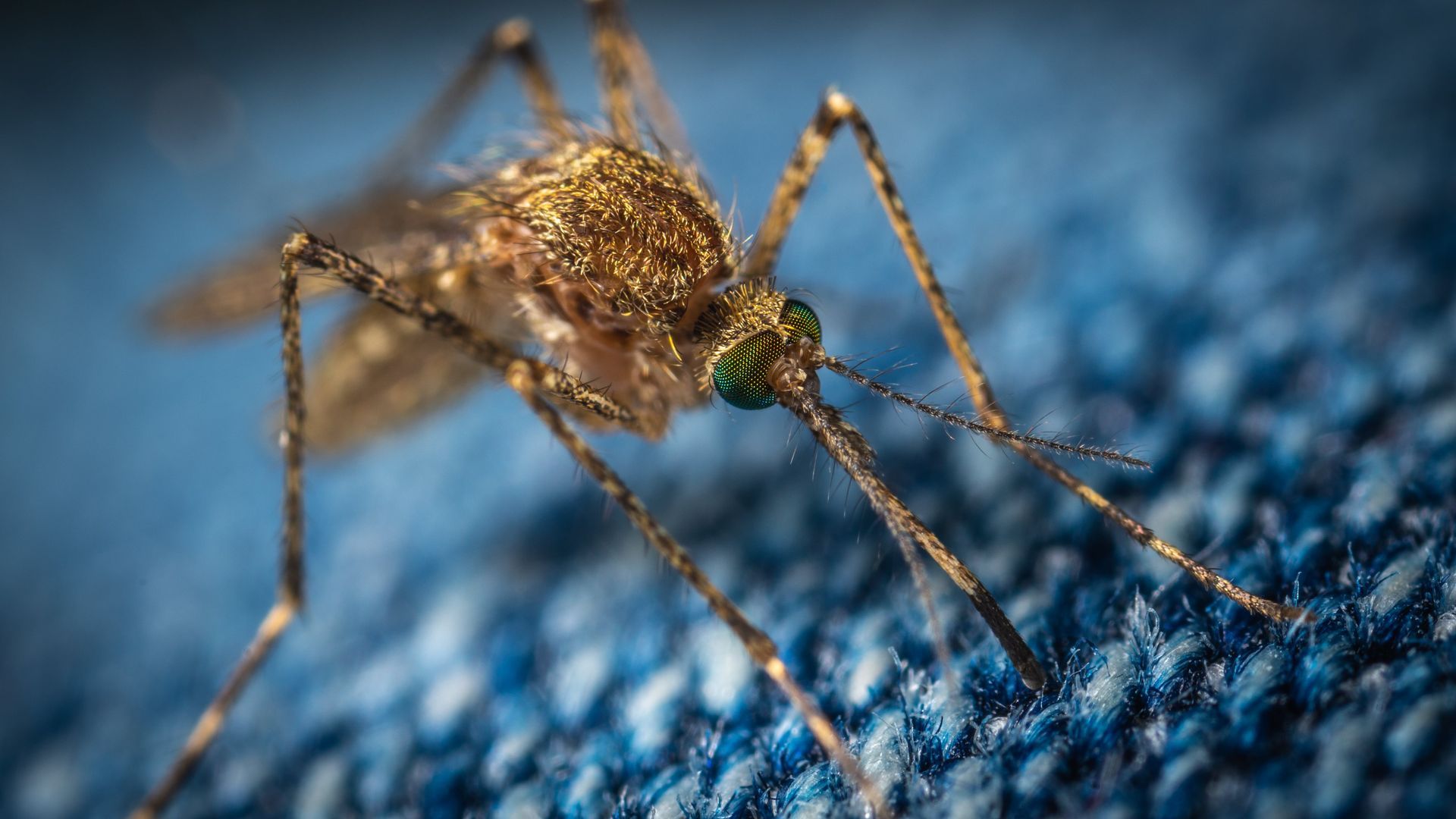
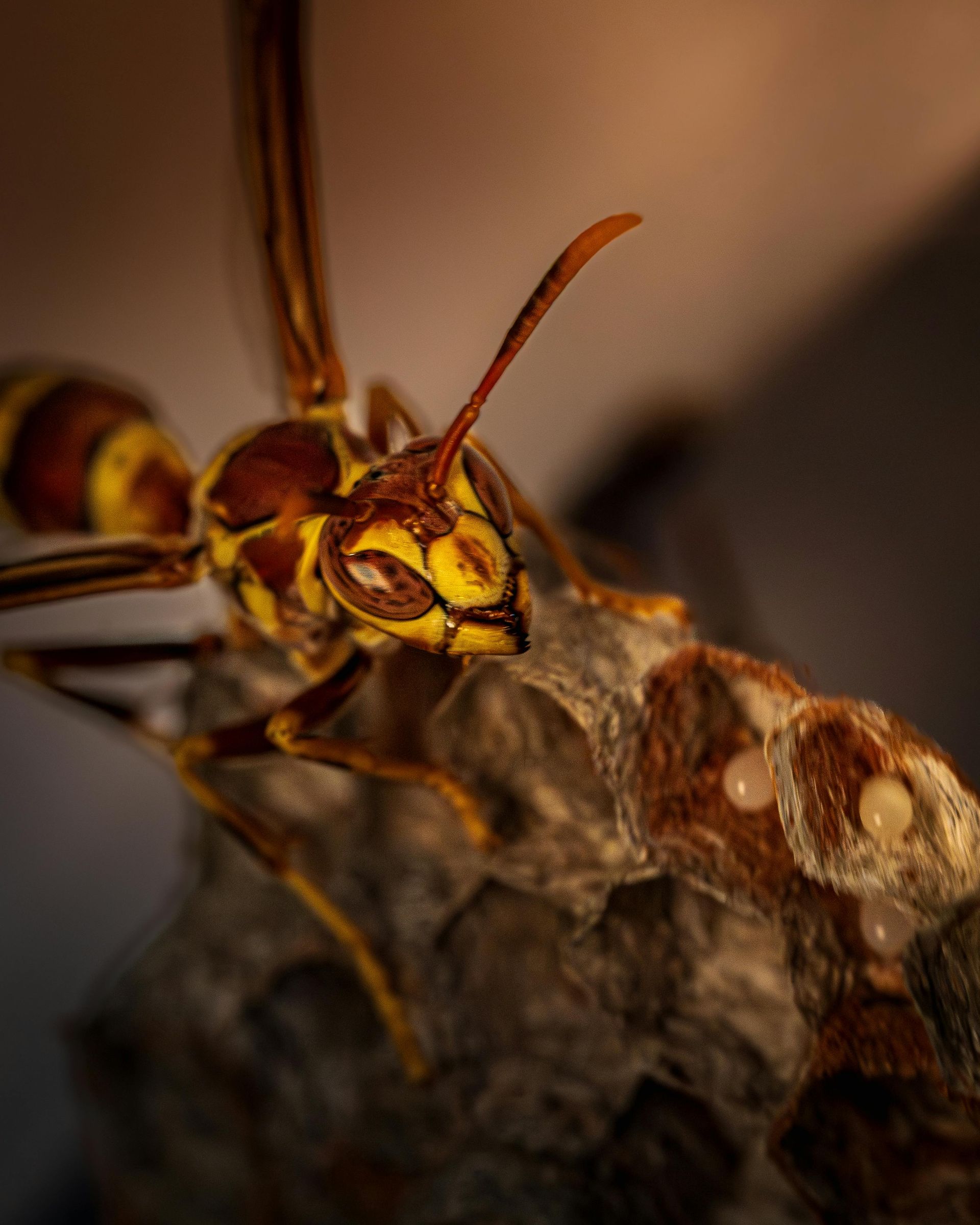
Weather affects how pests move, nest, feed, and enter structures. Heavy rain can saturate soil and push ants or rodents toward drier areas. Dry stretches may increase movement toward irrigation, plumbing, or shaded foundation zones. Warm conditions can also increase mosquito, wasp, flea, and spider activity around yards.
This overview of weather-driven activity shows why seasonal monitoring is important. A yard that seems quiet during one month may develop pressure after storms, heat waves, irrigation changes, or rapid vegetation growth.
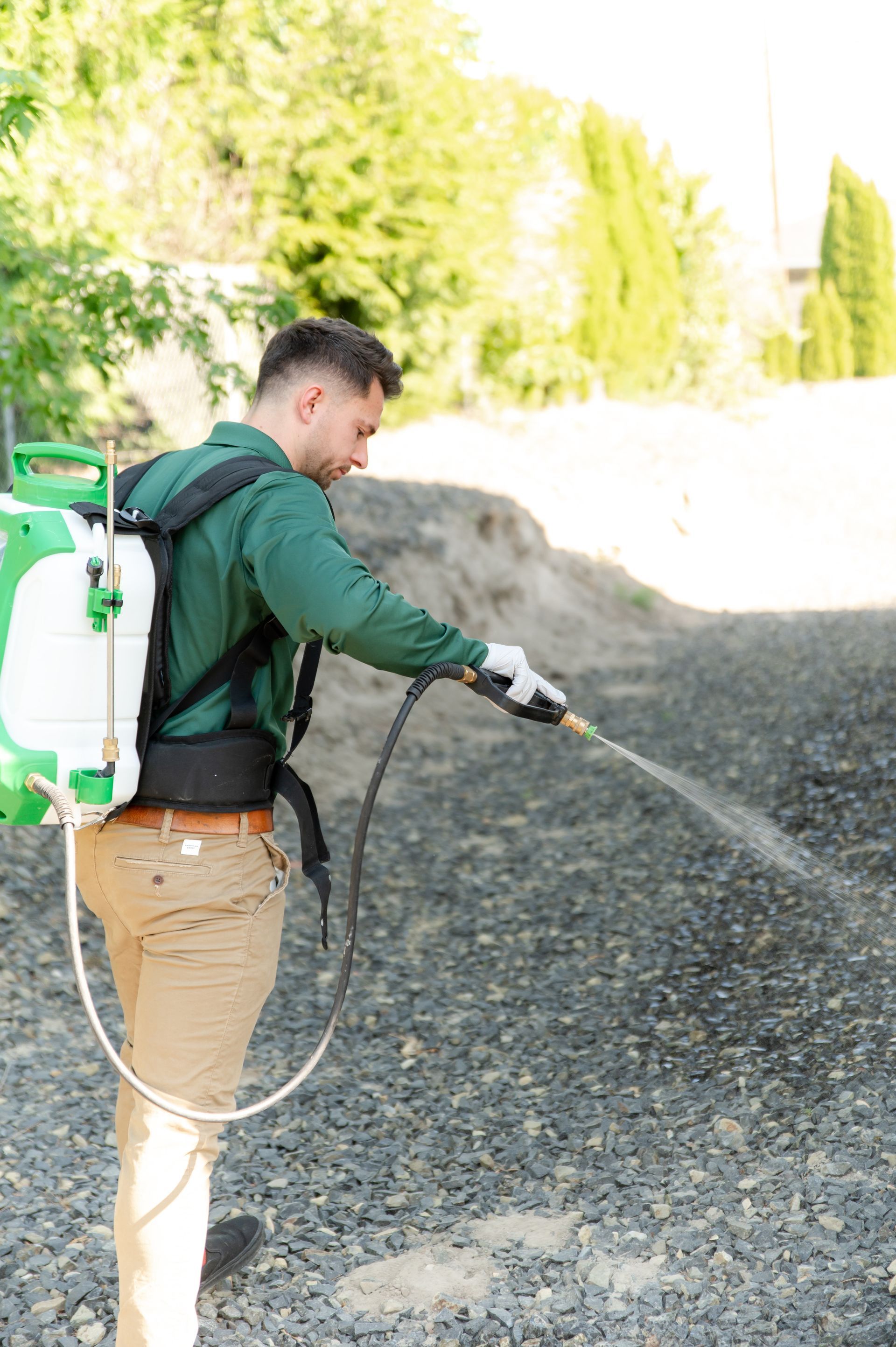
Professional pest control uses this timing to inspect current pressure points, adjust treatment locations, and determine whether activity is temporary or becoming established.
Routine Visits Catch Small Changes Earlier
Pests often remain hidden until the population grows or activity spreads indoors. Regular service gives technicians repeated opportunities to compare current conditions with earlier findings and identify changes before they become more disruptive.
A seasonal inspection may reveal:
- Fresh gaps around doors, vents, utility lines, or exterior walls.
- New ant trails, spider webs, rodent evidence, or wasp nesting activity.
- Standing water or damp areas that may support mosquitoes and other pests.
- Clutter, wood piles, or dense landscaping that creates protected harborage.
- Activity returning in the same location after weather changes.
This continuity is one of the main advantages of an ongoing plan. Instead of starting from the beginning after every sighting, professionals can track patterns, reinforce weak areas, and respond to recurring seasonal pressure.
Preparation Helps Professional Service Work More Effectively
A treatment plan works best when technicians can access the places where pests travel and hide. Cluttered floors, blocked baseboards, crowded cabinets, exposed food, and inaccessible areas can limit visibility and reduce treatment coverage.
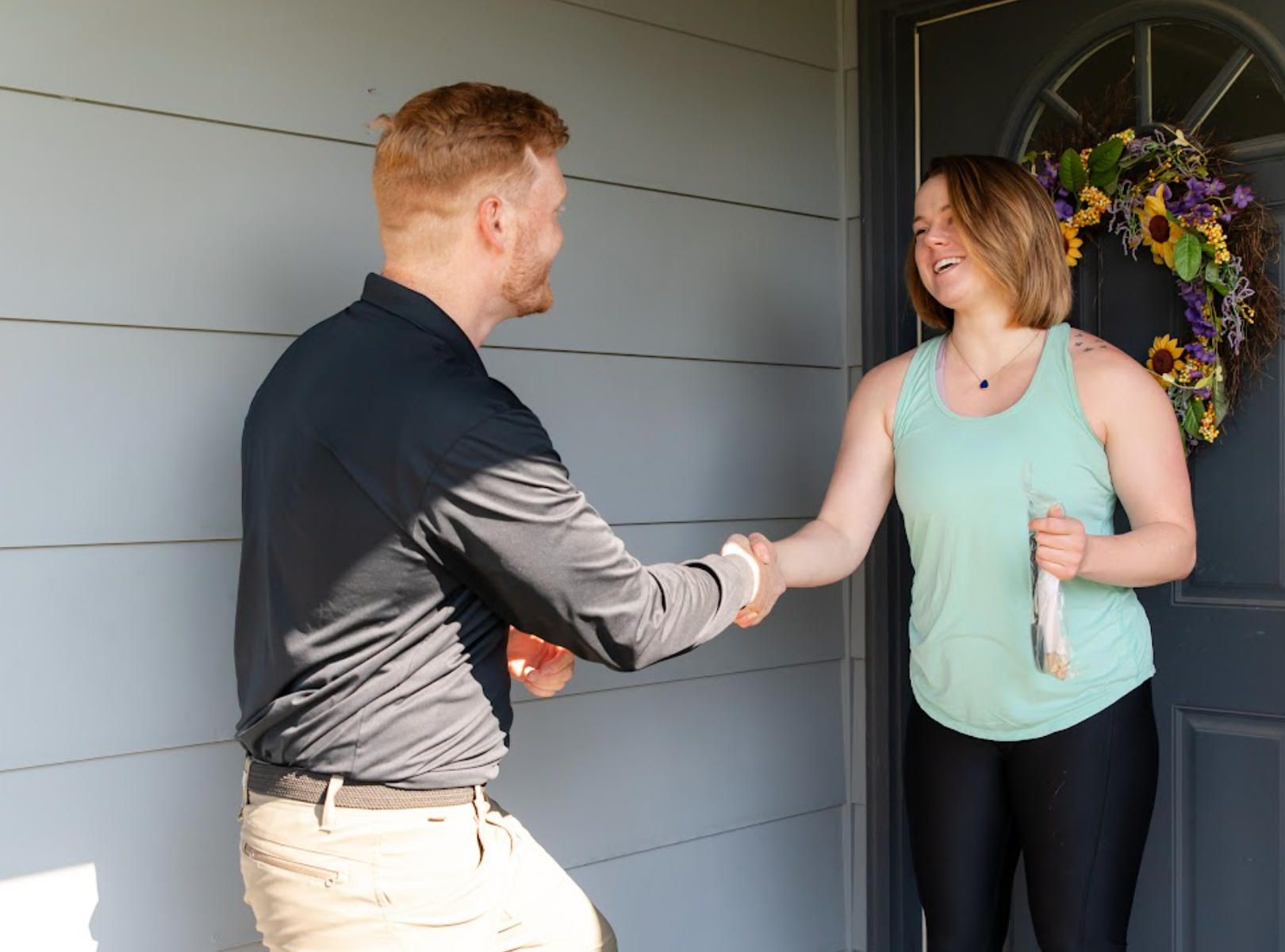
The guidance on home service preparation explains how clearing access, reducing food residue, preparing pet areas, and following post-treatment instructions can support better results.
Useful preparation may include moving items away from walls when interior access is requested, clearing spaces beneath sinks, securing food and pet bowls, and following guidance for household members. Homeowners may also need to avoid cleaning treated surfaces immediately when instructed.
Preparation is not a substitute for professional treatment. It helps the inspection and application reach relevant areas more efficiently and supports the long-term plan during each scheduled professional visit.
Year-Round Pest Control Builds Stronger Prevention
A seasonal plan is more than a series of scheduled applications. It connects inspection, treatment, exclusion, environmental awareness, and monitoring, so each visit builds on the last.
A complete approach may include:
- Inspecting interior and exterior pressure points through changing seasons.
- Adjusting targeted treatments for current pest activity and weather conditions.
- Addressing nests, harborage areas, moisture, and structural access.
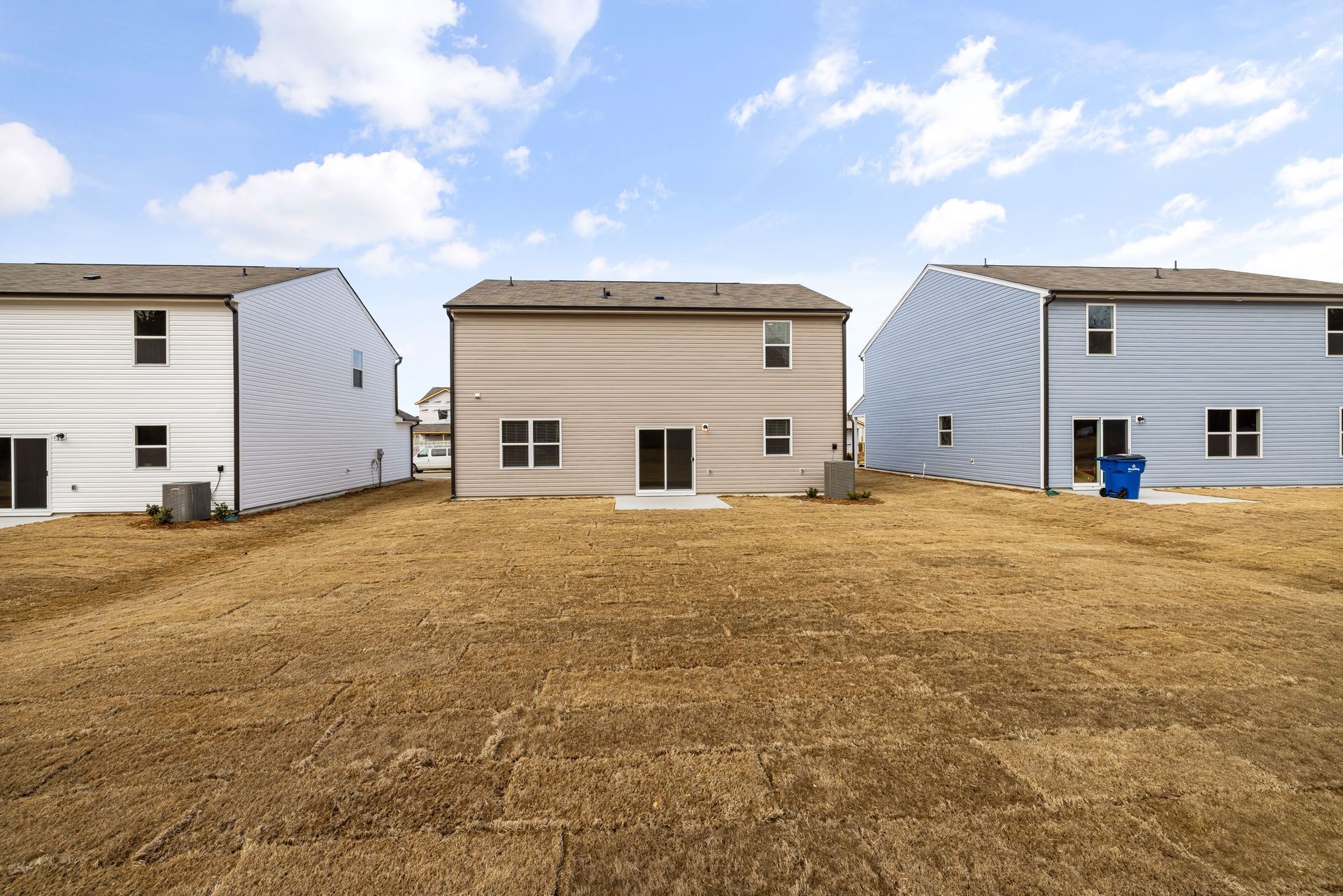
- Reinforcing barriers around foundations, eaves, garages, patios, and secondary structures.
- Monitoring results and fine-tuning the plan when pests reappear.
This approach is especially useful for pests such as ants, spiders, cockroaches, mosquitoes, fleas, wasps, rodents, and other common intruders that respond differently to seasonal conditions.
One-time service may address an immediate concern, but it cannot anticipate every future change in rainfall, temperature, vegetation, or outdoor pest pressure. Ongoing pest control provides the continuity needed to recognize new risks and respond before activity becomes established.
The objective is not constant treatment without purpose. It is timely, property-specific care that changes with the season and focuses attention where it is most useful.
Keep Every Season From Becoming Pest Season
Changing weather does not have to bring recurring pest problems indoors. Contact Bamboo Pest Control for professional pest control shaped around seasonal activity, targeted treatment, and long-term home protection.