Flea And Tick Risks In Northwest Lawns

June 12, 2026

Northwest lawns can look peaceful in summer, but the same grass, shade, moisture, and pet traffic that make outdoor spaces enjoyable can also support flea and tick risks. These pests are small, persistent, and often noticed only after bites, scratching pets, or activity inside the home. By then, the issue may already involve the lawn, patio edges, pet-resting areas, and indoor fabrics.


Fleas can move from pets into carpets, furniture, and bedding, while ticks often wait in grass, shrubs, or landscape edges for a host to pass. A strong response begins with understanding how the yard, home, and routines connect. Professional inspection helps identify the pressure points that keep the problem active.

Northwest Lawn Conditions Can Support Biting Pests

Summer conditions across Northwest properties can give fleas and ticks more opportunities to survive. Warm days, shaded soil, dense landscaping, and regular watering can create protected zones where pests remain active longer than expected. Pet movement can carry that pressure indoors.


  • Shade helps fleas and ticks avoid drying out during hot parts of the day.
  • Moist grass and mulch can create favorable hiding spaces near patios and foundations.
  • Pets can carry fleas from lawns, parks, kennels, trails, or neighboring yards.
  • Tall grass and overgrown borders can give ticks better access to passing hosts.
  • Outdoor furniture and play areas may sit near pest-prone vegetation without being noticed.


This is why lawn-focused pest concerns should not be separated from household comfort. When pets scratch more often or bites appear after time outside, the lawn may need closer evaluation. Flea activity can also continue indoors if eggs, larvae, or pupae are already present in carpets or furniture.

Pets, Patios, And Entry Points Connect The Problem

Flea and tick activity often follows the places people and pets use most. A dog resting under a shaded deck, a cat moving through foundation landscaping, or children playing near tall grass can all connect outdoor pest pressure to indoor spaces. The path is usually repeated, an ordinary movement that allows pests to spread.


  • Pet bedding can collect flea eggs and debris if activity has reached indoor areas.
  • Door thresholds may become transfer points when pets move in and out repeatedly.
  • Patio cracks and deck edges can hold protected resting areas near the home.
  • Crawl spaces, sheds, and garages may provide quiet shelter when pests or host animals move nearby.
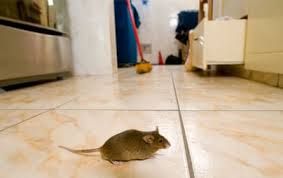
  • Rodents can influence flea pressure when they travel close to the structure.


Professional evaluation matters because the visible sign may not reveal the source. A few fleas on a pet may connect to shaded grass, indoor fabrics, or rodent movement near the home. Ticks seen after yard time may point to vegetation, fence lines, or brushy edges.


Some situations need faster help when activity feels sudden or disruptive. Guidance on emergency services can help homeowners understand what to expect when a pest issue needs timely inspection and a more direct response.

Treatment Works Best When The Whole Property Is Reviewed

Flea and tick control is most effective when it considers the entire property. A one-time product used in one area may miss the routes pests use between grass, pets, patios, and indoor rooms. A more complete plan reviews lawn conditions, household activity, pest identification, and follow-up needs.


  • Inspection helps determine where flea or tick pressure is most likely developing.
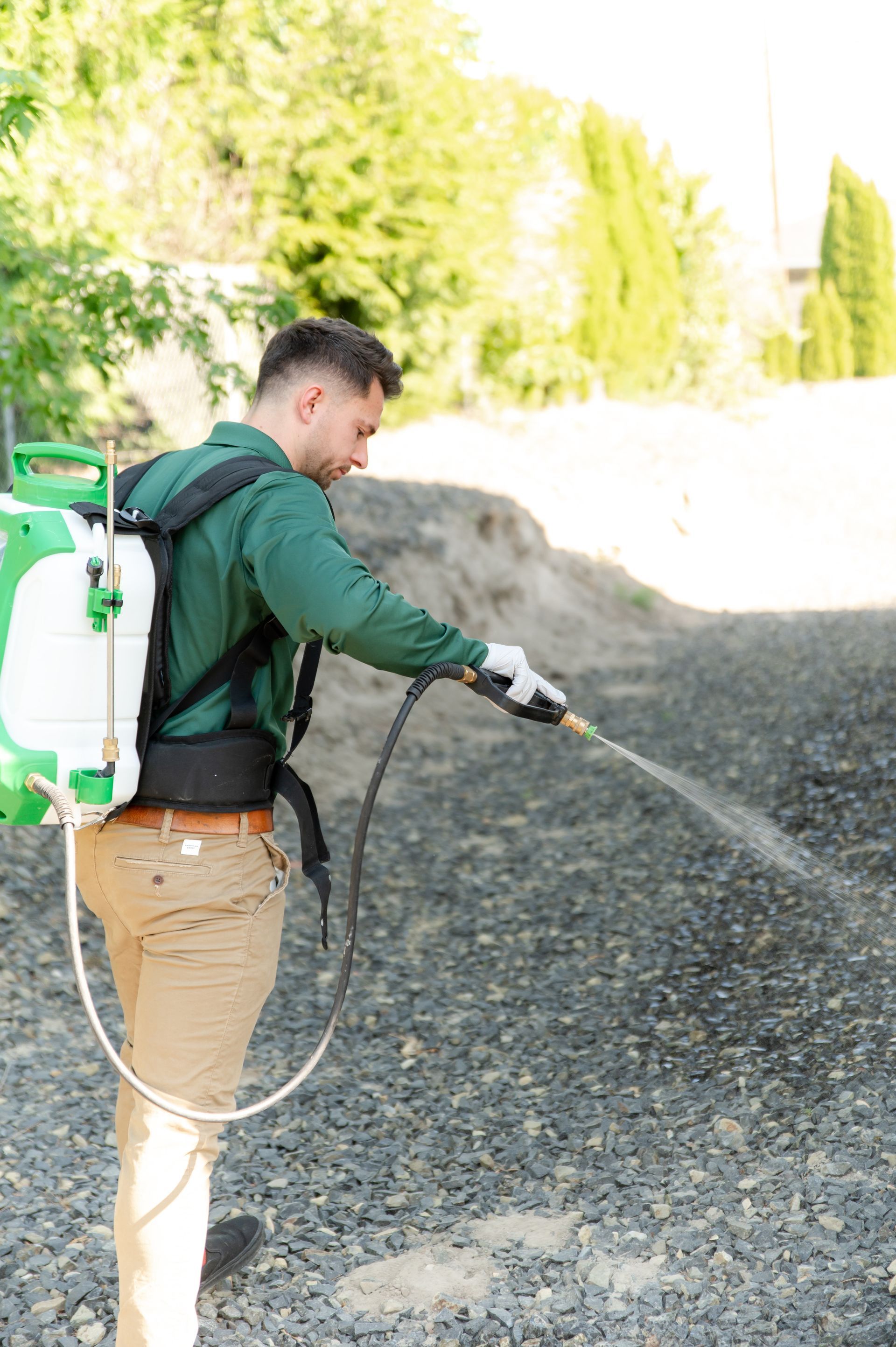
  • Targeted treatment focuses on pest-prone areas instead of random application.
  • Pet-friendly planning considers household routines, drying times, and service instructions.
  • Follow-up review helps measure whether activity is declining or shifting.
  • Prevention guidance reduces conditions that allow pests to return.


A broader service model that emphasizes inspection, customized treatment, and ongoing prevention can be helpful for lawns, where weather and pet habits change quickly. Preparing the home properly also supports better results. For service readiness, home preparation can help homeowners understand how access, cleaning, pets, and communication affect the treatment process.

Long-Term Lawn Comfort Requires Consistent Prevention

Flea and tick risks can return when the conditions that support them remain in place. Dense grass, shaded corners, damp mulch, rodent movement, and frequent pet traffic can keep pressure active even after visible signs improve. Long-term protection depends on monitoring the yard and adjusting the plan as the season changes.


Professional service helps connect the details. It can identify where pests are likely resting, where pets may be picking them up, and which parts of the lawn need more attention. That planning is useful in Northwest neighborhoods where lawns, trails, trees, and outdoor living spaces are part of everyday life.


The goal is not to make the yard feel overmanaged. It is to make it safer, calmer, and more comfortable for people and pets. When inspection, targeted treatment, and prevention work together, homeowners get a clearer path beyond repeated short-term reactions.

Keep The Lawn Comfortable Beyond Summer

Fleas and ticks can make outdoor time stressful, especially when pets and family members use the lawn every day. For professional flea treatment, mosquito service, ant management, spider treatment, rodent service, hornet and wasp removal, and preventive pest protection, contact Bamboo Pest Control for professional services.


Like this content? Share it!

By Gary Gill June 5, 2026
Event Planning Should Begin With The Yard A mosquito-friendly yard can look attractive at first glance. Lush landscaping, shaded patios, decorative containers, outdoor kitchens, fence lines, and garden beds can all create resting areas when moisture and cover are present. Before an event, the property needs a careful review of the places mosquitoes are most likely to use.  Drainage areas should be checked for puddling after rain, sprinkler use, or overwatering. Containers, saucers, toys, tarps, and outdoor storage should be reviewed for trapped water. Shrubs, tall grass, and dense plantings should be evaluated as shaded resting spaces. Seating areas should be assessed for nearby vegetation, mulch, or damp corners. Event timing should account for dusk, when mosquito activity may become more noticeable. This review helps create a practical plan. Instead of reacting during the party, the property can be prepared with a better understanding of where mosquito activity is likely to come from. Professional Timing Helps Protect The Guest Experience Timing matters with event-focused pest service. A treatment scheduled too close to the gathering may not allow enough time for the space to settle. A treatment scheduled too early may lose effectiveness if rain, irrigation, or new mosquito activity changes the yard before the event. That is why professional scheduling is such an important part of event mosquito protection. Pre-event inspections help identify current pressure before treatment decisions are made. Treatment windows can be planned around guest arrival, setup, decorating, and food service. Weather conditions may influence how the timing and treatment plan should be adjusted. Follow-up guidance helps event hosts understand what to watch before the gathering. Site-specific planning is more useful than relying on generic outdoor sprays. When the calendar matters, homeowners should ask how service can be coordinated with the event schedule. Professional support can help determine the right window, especially when patios, tents, or outdoor dining areas are involved. For more details on event scheduling , it helps to understand how mosquito treatments can fit around planned gatherings without disrupting the occasion. Treatment Works Best With Long-Term Prevention Event preparation should not depend on one-time effort alone. Mosquitoes can rebuild quickly when the property still offers shade, moisture, and breeding opportunities. A better strategy combines targeted treatment with longer-term prevention around the yard. Breeding-site reduction lowers the chance of new mosquitoes emerging before the event. Targeted applications focus on mosquito-prone areas instead of random coverage. Ongoing service helps manage changing pressure through summer weather patterns. Yard recommendations support better comfort after the event is over. Professional monitoring can identify whether activity is returning from hidden areas. Mosquitoes do not always stay where they are first noticed. They may rest along fence lines, under decks, in thick foliage, or near damp landscaping, then move toward people once the gathering begins. A trained technician can look beyond the obvious areas and address the patterns that make outdoor spaces uncomfortable. Long-term planning also protects future use of the yard. Summer often includes more than one outdoor event, especially when families use patios, pools, grills, or lawns throughout the season. A structured mosquito plan can make the space more dependable for weekend gatherings, evening meals, and casual outdoor time. The Right Pest Partner Makes Planning Easier Choosing professional help for an outdoor event is not only about treatment. It is also about communication, reliability, inspection quality, and understanding local mosquito pressure. Homeowners need a service approach that explains the plan clearly and considers how the property will be used during the event. A stronger provider will look at the setting, ask about the event schedule, evaluate mosquito-prone areas, and recommend a practical path instead of treating every yard the same way. Local knowledge also matters because mosquito pressure can shift with rain, heat, nearby vegetation, and seasonal conditions. For anyone comparing options, guidance on choosing a pest control company can help clarify what to look for before scheduling service. The best fit is usually a company that values inspections, targeted treatments, and ongoing prevention rather than quick, surface-level answers. Keep The Focus On The Celebration Outdoor events should feel comfortable, relaxed, and memorable. With professional mosquito protection, the yard can be prepared with greater care before guests arrive. For thoughtful event planning, mosquito treatments, and long-term pest prevention, contact Bamboo Pest Control for professional services.
By Gary Gill May 29, 2026
Choosing the right pest control company near you should begin with more than a quick search result or the lowest price. Pest problems often involve hidden entry points, nesting areas, moisture, food sources, and seasonal pressure. A company that understands these details can build a plan around the property, not just the visible pest.  A strong provider should be able to handle common pests, rodents, ants, spiders, mosquitoes, wasps, bees, snakes, and other local concerns with a careful inspection-first process. Clear communication, safe treatment planning, honest recommendations, and reliable follow-through all matter when the goal is long-term protection.
By Gary Gill May 21, 2026
Spring pest control tips for Washington homeowners, covering ants, mosquitoes, rodents, moisture control, exclusion, and long-term prevention plans now.
By Gary Gill May 15, 2026
Learn what to expect from an emergency pest control service, including inspections, treatment steps, response times, long-term control, and prevention.
By Gary Gill May 7, 2026
Learn how to prepare your home for professional pest control, with cleaning, access, and safety steps that help treatments work effectively and last longer.
By Gary Gill May 1, 2026
Outdoor gatherings are meant to be enjoyed, yet mosquito activity can quickly disrupt even the most carefully planned event. Whether it is a backyard celebration, a family gathering, or a seasonal occasion, timing plays a crucial role in maintaining comfort. This is where mosquito treatment becomes an important consideration.  Many homeowners wonder if treatments can be coordinated around specific dates without affecting effectiveness. The answer depends on understanding how mosquito behavior, treatment timing, and environmental conditions work together. When properly planned, treatments can align with events while still delivering reliable results. Mosquito control is not simply about reacting on the day of an event. It involves preparation that begins before guests arrive and continues afterward to maintain a consistent level of protection.
By Gary Gill April 24, 2026
Explore cost-effective, eco-friendly pest control methods that reduce impact while delivering results, and strategies that improve pest control efficiency.
By Gary Gill April 16, 2026
Spring is one of the most active seasons for ants. As temperatures rise and moisture levels increase, ant colonies begin to expand and search for reliable food sources. This shift often leads them directly into homes and structures, where they can quickly establish trails and nesting sites. From a professional perspective, ant prevention during spring is most effective when it is proactive rather than reactive. Waiting until ants become visible often means that colonies are already well established. A structured pest control approach focuses on early detection, targeted treatments, and long-term prevention strategies that address the root cause of activity.
By Gary Gill April 9, 2026
Pest activity does not stay consistent throughout the year. Changes in temperature, moisture, and food availability influence how pests behave, where they hide, and how quickly they multiply. What works in one season may not be enough in another, which is why prevention strategies should evolve rather than remain static.  From an expert perspective, effective pest management is not about reacting to visible problems. It is about anticipating shifts before they escalate. A well-timed pest inspection helps identify early patterns that often go unnoticed, allowing adjustments that keep infestations from gaining momentum.
By Gary Gill April 3, 2026
Mosquitoes can turn a comfortable yard into a space that feels difficult to enjoy. Their presence is not only disruptive, but also persistent. Once they find a suitable environment, they tend to return quickly. That is why mosquito control is less about a single fix and more about combining immediate action with ongoing prevention. For homeowners looking for fast results, the key is understanding how mosquitoes live, where they breed, and what conditions allow them to stay active. A targeted approach can significantly reduce activity in a short period of time, especially when the right areas are addressed first.
Show More Blog Posts