House Spiders And Cellar Spiders
House spiders and cellar spiders are often found in quiet, low-disturbance areas. They may build webs in corners, closets, stairwells, garages, basements, storage rooms, and utility areas. Cellar spiders have long, thin legs and loose webs, while common house spiders create messy cobwebs where insects pass.
Homeowners may notice:
- Webs are collecting in ceiling corners, window frames, storage shelves, and basement edges
- Spiders return after webs are removed because insects remain nearby
- Activity near lights, vents, doors, or windows where small insects enter
- Web buildup in garages, sheds, closets, and other low-traffic spaces
- More sightings occur when the weather changes or when stored items are moved
These spiders often indicate a steady food source. Removing webs without addressing insect pressure, entry gaps, or cluttered shelter can lead to repeat activity.
Giant House Spiders And Hobo Spiders
Giant house spiders and hobo spiders can cause concern because they move quickly and appear suddenly. They may be seen on floors, near baseboards, in garages, under furniture, or around storage areas. Hobo spiders are discussed in the Pacific Northwest, but visual identification can be difficult without close examination. Many brown spiders look similar, so assumptions based on color alone can be misleading.
Washington health guidance notes that black widows and yellow sac spiders are the two spiders of medical significance in the state, while most spiders are not considered harmful to people. Still, repeated indoor spider activity deserves evaluation when the source is unclear.
Weather can also influence spider movement. When outdoor insects increase after rain, heat, or seasonal changes, spiders may follow. A closer look at yard pest activity helps explain why exterior conditions can lead to more spider sightings indoors.
Jumping Spiders, Wolf Spiders, And Orb-Weavers
Not all spiders rely on messy indoor webs. Jumping spiders are small, active hunters often noticed near windows, walls, and sunny areas. Wolf spiders are ground hunters that may enter garages, basements, and lower-level rooms. Orb-weavers are more often seen outdoors, building round webs near porches, lights, gardens, decks, and exterior walls.
These spiders may appear near:
- Outdoor lights that attract flying insects at night
- Door thresholds, garage openings, patios, and foundation edges
- Window frames, screens, siding gaps, and exterior trim
- Gardens, shrubs, tall grass, and shaded landscape beds
- Basements or ground-level areas where insects move inside
Their presence often connects to seasonal insect activity. If insects gather near lights, moisture, or gaps, spiders may settle nearby. Professional service reviews spider activity and the pest pressure supporting it. That broader view makes treatment more practical than reacting to each spider sighting separately.
Yellow Sac Spiders And Black Widows Need Caution
Most spider encounters are nuisance concerns, but some deserve more care. Yellow sac spiders can be found indoors and may hide in small silk sacs near wall-ceiling corners, curtains, closets, or other protected places. Black widows are less common in many western Washington homes, but can occur in parts of the state, especially around garages, sheds, wood piles, and dark spaces.
Caution is important around:
- Unused gloves, shoes, boxes, and stored materials
- Garages, sheds, crawl-space access points, and outdoor storage
- Wood piles, cluttered corners, and protected exterior gaps
- Window wells, utility areas, and low-disturbance rooms
- Any spider that cannot be confidently identified
Professional identification reduces worry while still treating higher-risk situations carefully. Seasonal inspection also matters because spider activity changes as temperatures and moisture conditions shift. A structured seasonal pest plan can help homeowners understand why prevention may need adjustment through spring, summer, fall, and winter.
Protect Your Home From Unwanted Webs
Spider control works best when the home is evaluated as a full system. Webs, sightings, and egg sacs are visible clues, but entry points, insect activity, moisture, lighting, storage, and exterior shelter often explain why spiders keep returning. Ants, mosquitoes, rodents, wasps, hornets, bees, snakes, and other listed pest concerns may also influence the property conditions that attract spiders.
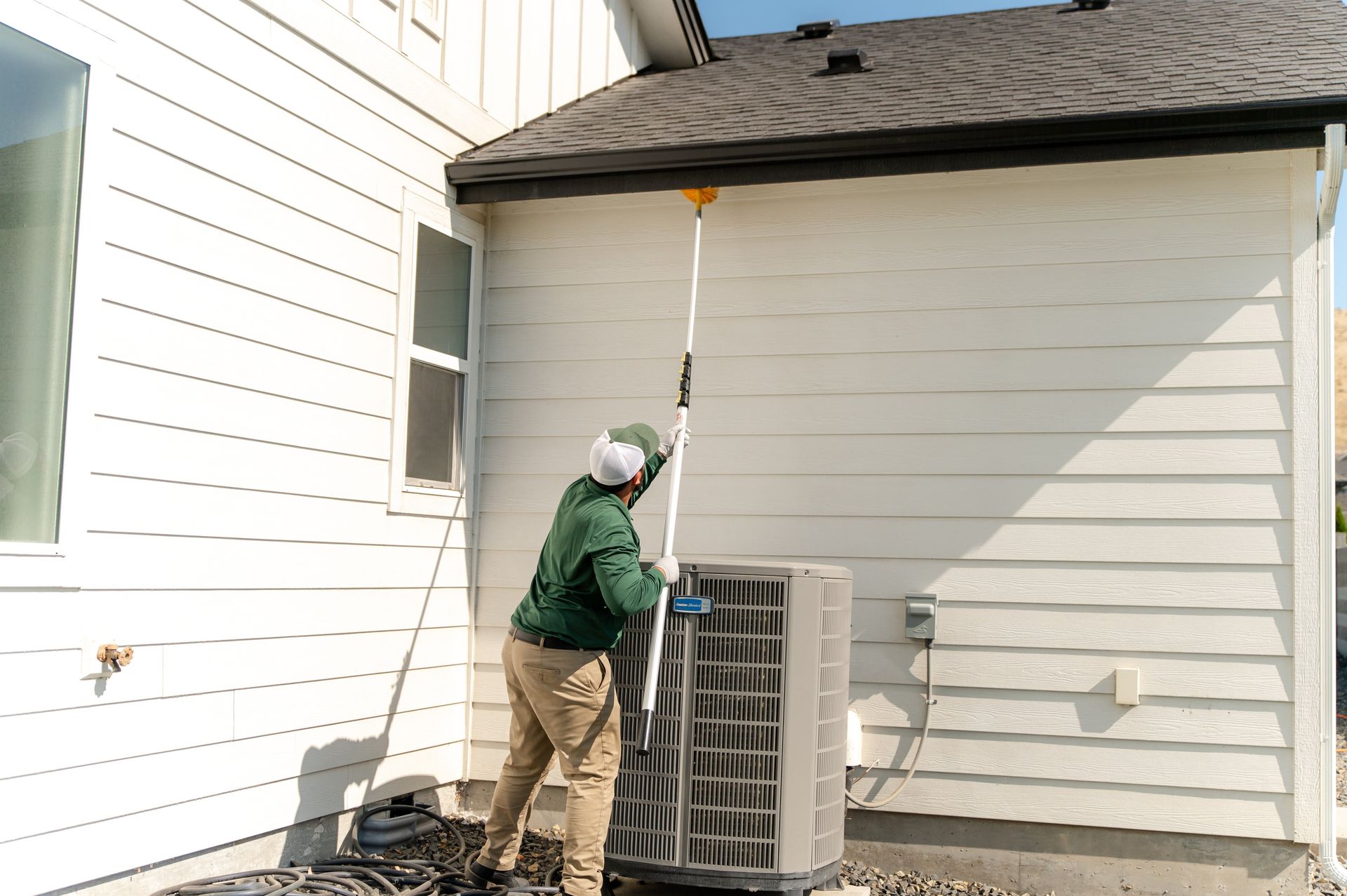
A professional plan can include inspection, targeted treatment, web removal guidance, exterior barrier work, entry-point review, and follow-up. The goal is not only to reduce spiders today, but to make the home less inviting over time.
For professional spider control, ant control, mosquito control, rodent control, wasp and hornet control, bee control, snake control, and related pest concerns, contact Bamboo Pest Control.