Why Moisture Changes Where Spiders Settle
Spiders differ in how they hunt and where they rest. Some construct webs where flying or crawling insects pass, while others move across floors and walls in search of prey. A basement can accommodate both behaviors because it offers relatively stable temperatures, limited disturbance, and plenty of hidden surfaces.
Dampness influences these conditions in several ways:
- Insect availability: Moist environments may support small insects that become food for hunting spiders and web builders.
- Protected corners: Stored boxes, exposed pipes, and unfinished framing offer secluded places where webs remain undisturbed.
- Foundation openings: Cracks and gaps near ground level can provide routes for spiders and their prey to enter.
- Uneven humidity: Condensation beside plumbing or poorly ventilated walls can create localized conditions unlike the rest of the room.
- Seasonal movement: Changes in outdoor temperature and rainfall may alter where spiders find shelter or encounter prey.
Not all spiders favor damp conditions. Some tolerate drier areas and simply follow insects into the basement. Our guide to common spider species explains why identifying the spider matters when interpreting its behavior. A web in a corner tells a different story from a fast-moving spider crossing the floor.
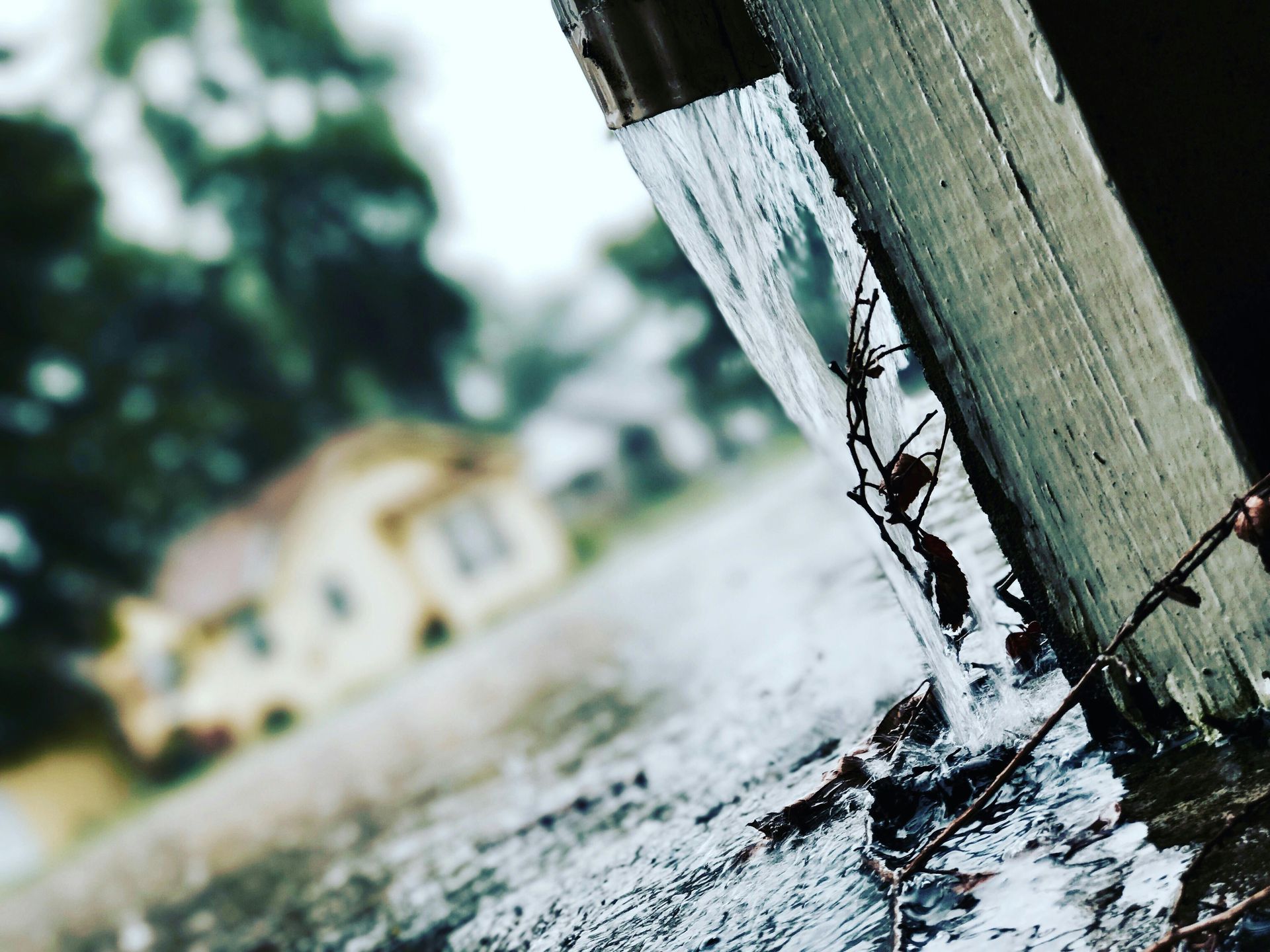
We also consider whether the basement has a recurring moisture issue. A single rainy week may temporarily increase activity, whereas persistent leaks or condensation can support conditions that attract insects over a longer period.
What Spider Activity Reveals About a Basement
One spider seldom provides enough information to diagnose a wider pest problem. Repeated patterns, however, can show where prey is present or where spiders consistently enter. Their behavior is often more revealing than their appearance, particularly in unfinished or seldom-used spaces.
During a basement inspection, several details help us evaluate activity:
- Web placement: Repeated webs around windows, beams, and utility penetrations may indicate reliable insect movement.
- Ground-level sightings: Wandering spiders along basement edges may be searching for prey rather than establishing permanent webs.
- Egg sacs: Spider egg sacs can suggest that a sheltered area has supported reproduction, although activity must be assessed carefully.
- Insect evidence: Small flies or other insects near damp surfaces may explain why spiders continue appearing.
- Changing locations: Spiders moving from one corner to another may reflect shifts in prey, disturbance, or environmental conditions.
Spiders are predators, so eliminating visible webs alone does not explain why the area supports them. For instance, an insect population near a drainage issue may continue attracting hunters even when the spiders already present are removed. Likewise, a basement with numerous openings can receive occasional spiders despite otherwise good moisture control.
Identification also matters for safety. Most spider encounters do not result in bites, but homeowners should avoid handling unfamiliar spiders. A trained professional can assess the species where possible and determine whether the sightings justify targeted management.
How Professional Evaluation Addresses Recurring Activity
When spiders repeatedly appear in a damp basement, a useful inspection covers more than the visible corners. Moisture, insect prey, building access, and storage arrangements may interact. Looking at each separately can miss the reason the same areas become active after rain or seasonal weather changes.
Our approach emphasizes site-specific evidence:
- Moisture observations: We note damp areas and recommend appropriate evaluation of leaks, drainage, or ventilation concerns.
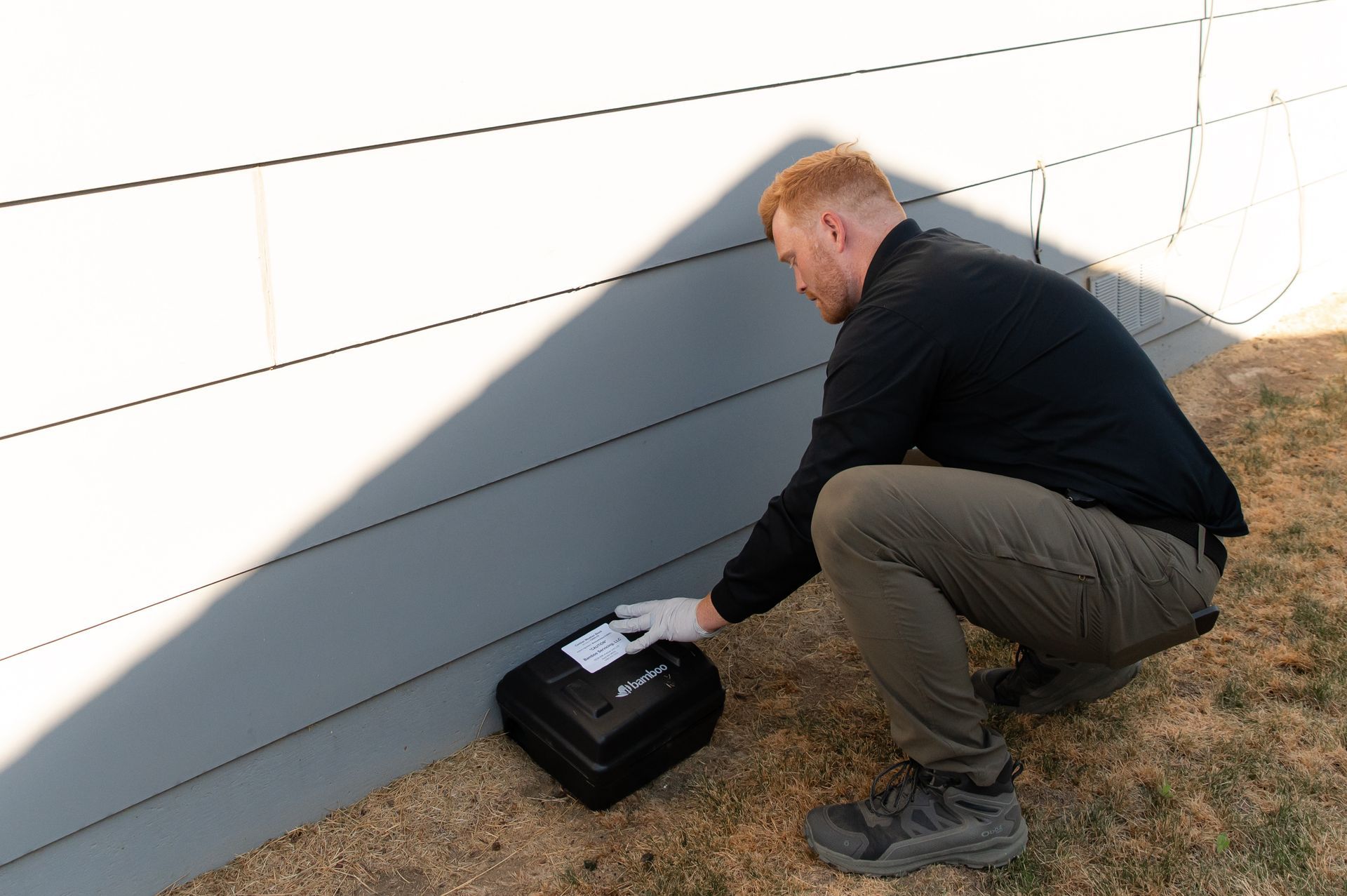
- Entry-point review: We examine accessible openings around basement walls, pipes, vents, and doors.
- Pest identification: We assess observed spiders and nearby insects before recommending a treatment response.
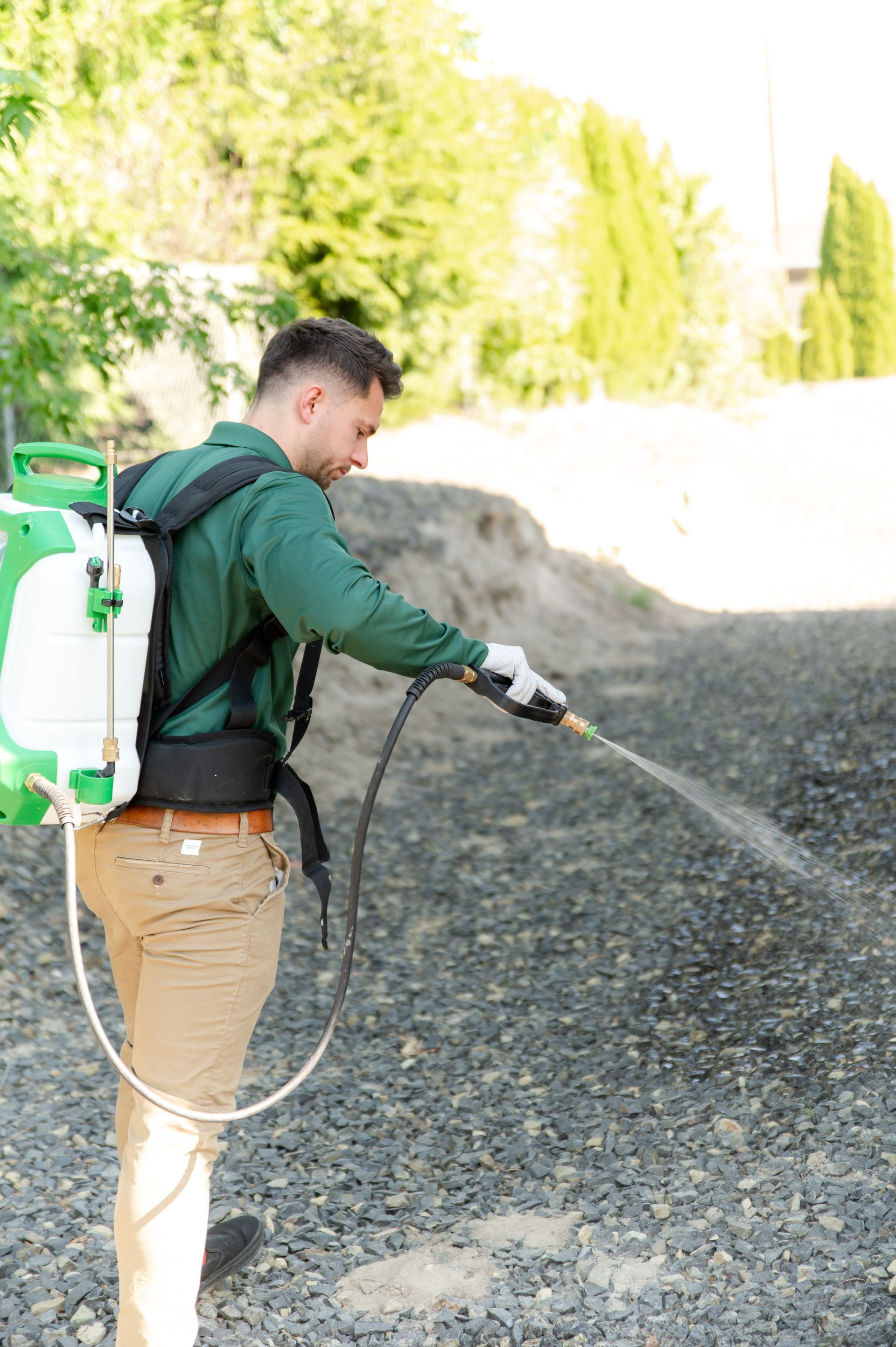
- Targeted measures: We select appropriate control and preventive measures based on actual activity and building conditions.
- Follow-up monitoring: We revisit recurring hotspots as needed to determine whether activity has changed.
-
Conditions beyond the basement may also contribute. Damp leaves, dense landscaping, and outdoor debris can provide cover for insects and spiders near foundation walls. Our article about yard debris habitats examines how moisture and shelter combine outside the home. Considering both sides of the foundation creates a fuller picture of the problem.
Professional pest management cannot replace necessary building repairs, and a damp wall does not automatically call for pesticide treatment. The goal is to identify the real source of repeated sightings and respond proportionately. Better information supports practical decisions and helps prevent an ongoing nuisance.
Bring Clarity to Those Hidden Corners
If spider sightings keep returning in your basement, contact Bamboo Pest Control for an inspection. Our team can evaluate activity, explain likely contributing conditions, and recommend a focused plan suited to your home.