Why Seattle Properties Face Persistent Pest Pressure
Seattle’s climate supports a wide range of pests that remain active across multiple seasons. Moisture levels, in particular, create favorable conditions for insects and rodents to nest, reproduce, and expand their presence.
Rainfall patterns influence pest movement, often driving insects indoors in search of dry shelter. In our recent article on spring ant activity increases, it becomes clear how environmental changes can trigger sudden surges in indoor pest activity.
Without a structured pest prevention plan, these recurring patterns can lead to repeated infestations that are difficult to manage over time.
- Moist environments support nesting and breeding cycles
- Seasonal changes push pests toward indoor spaces
- Dense landscaping provides shelter near structures
- Urban and suburban layouts create consistent access points
These factors make prevention a necessary part of long-term pest control in the region.
The Role of a Pest Prevention Plan in Long-Term Protection
A pest prevention plan is not limited to treating existing issues. It focuses on reducing the likelihood of infestations by addressing the conditions that attract pests in the first place.
This approach combines inspection, monitoring, and preventative treatments to create a controlled environment where pests are less likely to establish themselves. Instead of waiting for visible signs, action is taken based on patterns and risk factors.
Consistency is essential. Preventative care works best when it is applied regularly and adjusted based on seasonal changes.
- Routine inspections identify early signs of activity
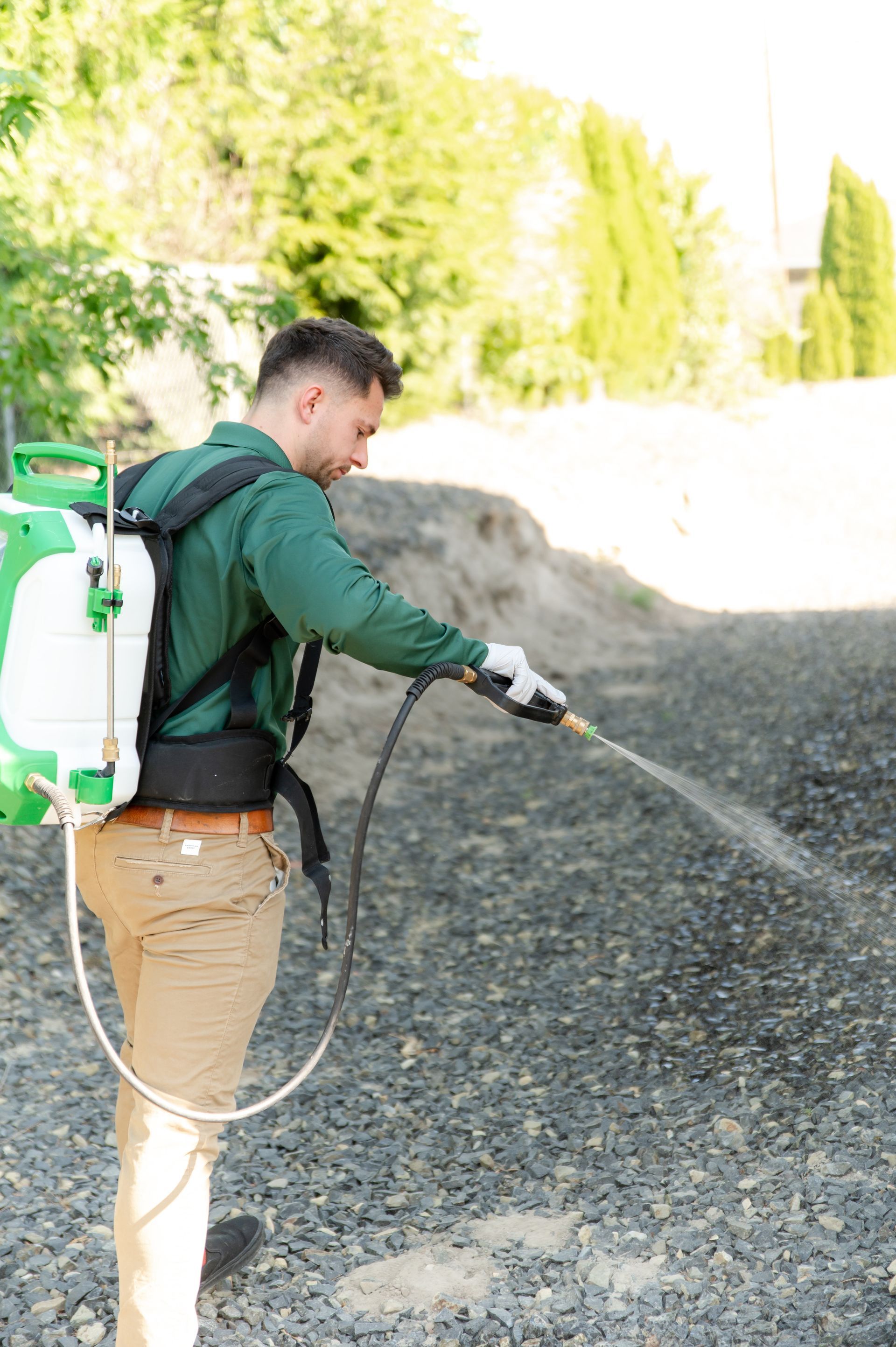
- Preventative treatments reduce the chance of infestation
- Monitoring systems track changes in pest behavior
- Adjustments are made based on seasonal conditions
A structured plan provides continuity, which is often the difference between temporary relief and lasting control.
Why Professional Oversight Matters More Than One-Time Treatments
While isolated treatments may address immediate concerns, they often do not resolve underlying conditions. Pest activity can return if entry points, nesting areas, or environmental factors are not properly managed.
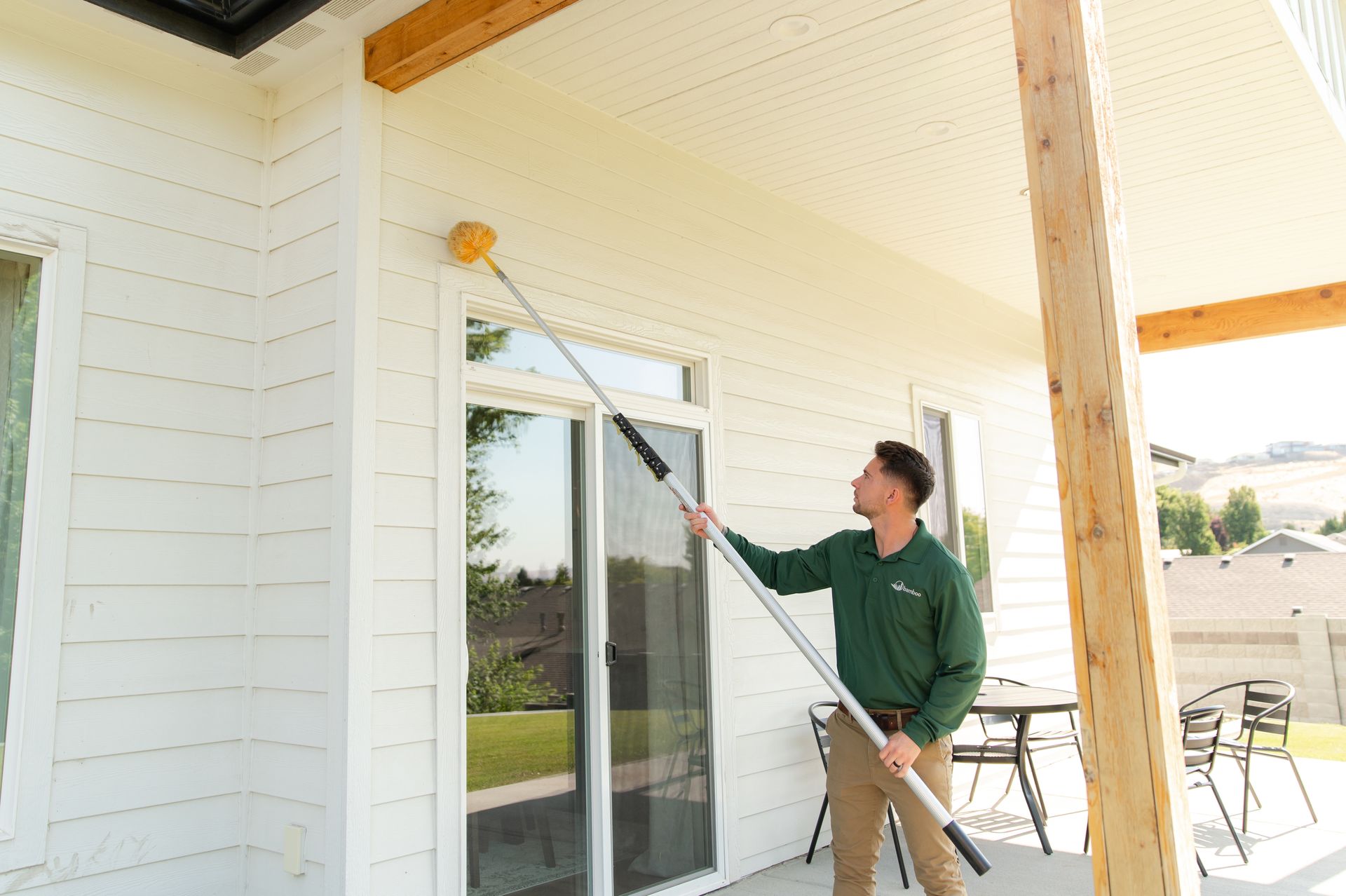
Professional oversight ensures that each aspect of the property is evaluated and addressed as part of a larger strategy. This includes identifying vulnerabilities that may not be immediately visible and applying solutions that extend beyond surface-level treatment.
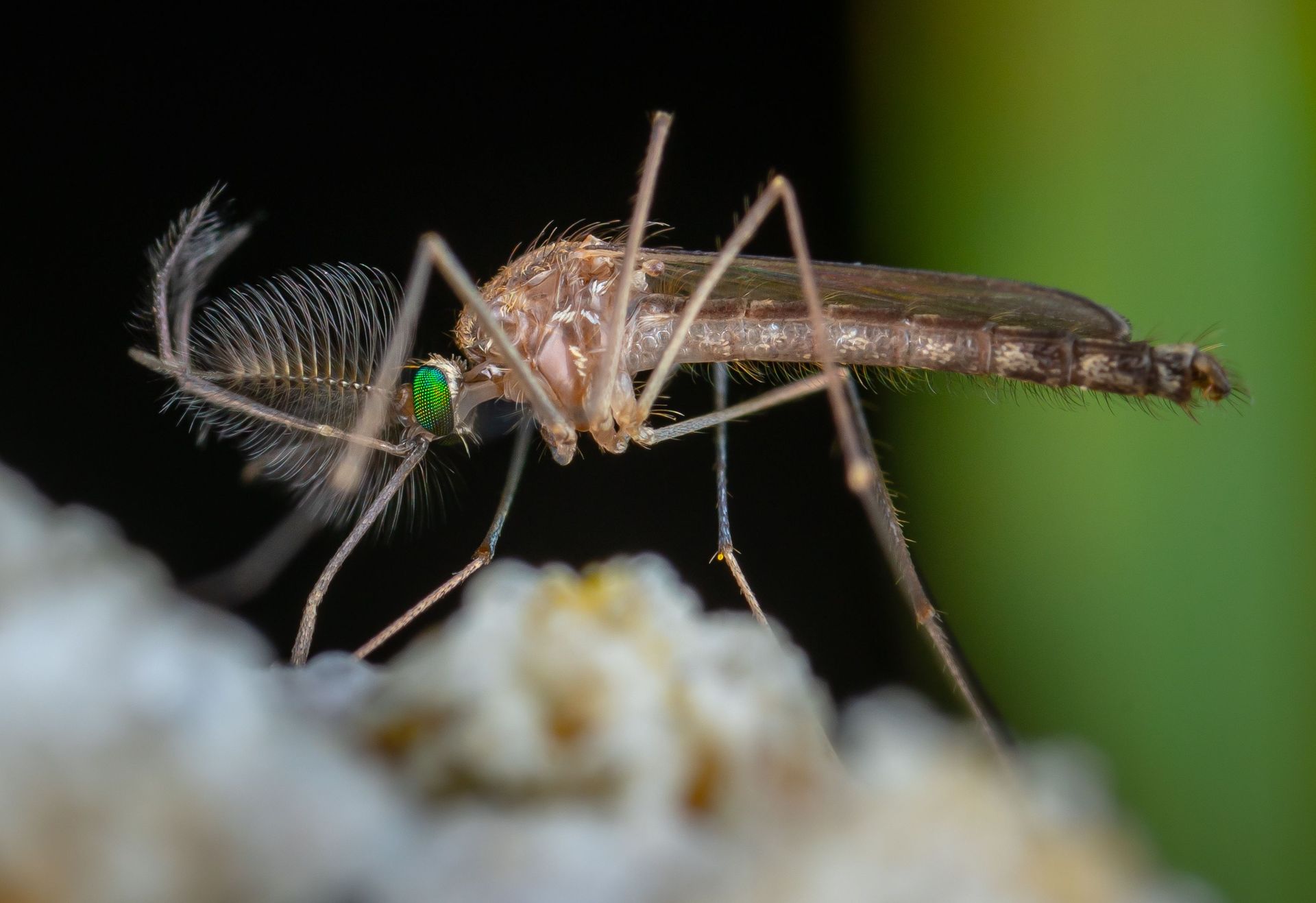
As discussed in our resource about DIY mosquito treatment limits, incomplete approaches can leave gaps that allow pests to persist and reappear.
- Inspections go beyond visible areas to uncover hidden risks
- Treatments are applied with precision based on pest behavior
- Structural and environmental factors are taken into account
- Ongoing adjustments improve effectiveness over time
A comprehensive approach reduces uncertainty and strengthens overall results.
Seasonal Adjustments That Keep Protection Consistent
Pest activity in Seattle does not remain constant throughout the year. Different seasons bring different challenges, each requiring a tailored response.
A pest prevention plan accounts for these shifts by adjusting treatments and monitoring strategies accordingly. This ensures that protection remains consistent even as pest behavior changes.
Spring and summer often bring increased insect activity, while fall and winter may drive rodents indoors. Without seasonal adjustments, these transitions can lead to unexpected infestations.
- Spring treatments address emerging insect populations
- Summer monitoring focuses on peak activity periods
- Fall preparations reduce indoor rodent entry
- Winter strategies maintain control in enclosed spaces
Adapting to seasonal patterns is essential for maintaining effective protection.
When a Prevention Plan Becomes a Practical Necessity
Many property owners consider pest control only after a problem becomes visible. However, recurring issues, environmental conditions, and structural factors often indicate the need for a more proactive approach.
A pest prevention plan becomes especially important when infestations occur repeatedly or when surrounding conditions increase risk. Properties located near wooded areas, water sources, or dense landscaping are particularly vulnerable.
Acting before pests become established allows for more controlled and efficient management. It also reduces the likelihood of damage, contamination, and disruption.
- Repeated infestations signal underlying vulnerabilities
- High-risk environments require consistent monitoring
- Early intervention prevents larger, more complex issues
- Long-term planning supports property stability
Recognizing the need for prevention is a key step toward maintaining a pest-free environment.
A Smarter Approach to Year-Round Pest Control
Managing pests in Seattle requires more than occasional treatment. A well-structured pest prevention plan provides the consistency and foresight needed to address changing conditions and reduce long-term risk.
For reliable guidance and ongoing support, connect with Bamboo Pest Control and take a proactive step toward protecting your property throughout every season.