Unusual Sounds and Physical Evidence May Reveal Hidden Activity
Mice and rats frequently travel through spaces that are difficult to observe directly. Wall voids, plumbing chases, and connections to attics or crawl spaces can provide concealed routes between different parts of a property.
The first warning signs may include:
- Scratching sounds: Repeated movement or scraping noises behind walls may suggest rodents traveling through concealed cavities.
- Gnawing noises: Chewing sounds can occur when rodents investigate building materials or enlarge existing openings.
- Droppings: Small pellets near baseboards, utility openings, or cabinets may reveal where animals leave concealed routes.
- Unusual odors: Persistent odors around enclosed spaces may indicate nesting, contamination, or another issue requiring investigation.
- Damaged materials: Chewed insulation, wiring, or accessible stored items can suggest rodent activity nearby.
Not every sound indicates mice or rats. Heating systems, plumbing expansion, and other wildlife can produce noises that resemble movement inside a wall.
Our article on early rodent warning signs discusses how technicians connect multiple observations before determining whether a property has an active infestation.
The timing of a sound can also provide useful information. Many rodents become particularly active during quieter nighttime periods, although they may move at other times as well.
Rather than relying on a noise alone, our team examines accessible adjoining spaces for fresh evidence.
Walls Offer More Than Protection From Cold Weather
It is easy to assume rodents enter buildings only because they want warmth. Protected temperatures matter, but shelter is just one part of the attraction. Reliable food, available water, and relatively undisturbed nesting locations also influence where mice and rats settle.
Several property conditions can contribute:
- Accessible openings: Small gaps around pipes, vents, and construction joints may connect outdoor spaces with wall cavities.
- Nearby food: Pet supplies, pantry goods, or accessible waste may encourage repeated movement toward living areas.
- Nesting materials: Insulation and shredded paper can provide material for concealed nests.
- Connected spaces: Attics, crawl spaces, and garages may allow rodents to reach walls without entering occupied rooms.
- Limited disturbance: Enclosed areas may remain quiet enough for animals to establish recurring travel patterns.
Winter activity can persist even when outdoor temperatures become particularly low. Once rodents find dependable resources inside, changing weather alone may not encourage them to leave.
An established population can also occupy more than one structural area. Activity heard near a bedroom may originate from an attic connection, while evidence discovered in a utility room may reflect another part of the same travel route.
This is why determining the source requires more than locating the loudest noise.
A professional inspection examines the relationship between entry points, structural connections, and the available evidence. It also helps distinguish mice from rats, since their movement patterns and access requirements can differ.
Professional Inspection Helps Identify the Source Before Repairs
Opening a wall without understanding the problem can create unnecessary damage while leaving the actual entrance untouched. Professional rodent control begins with accessible evidence and a review of how the property is constructed.
Our technicians may evaluate:
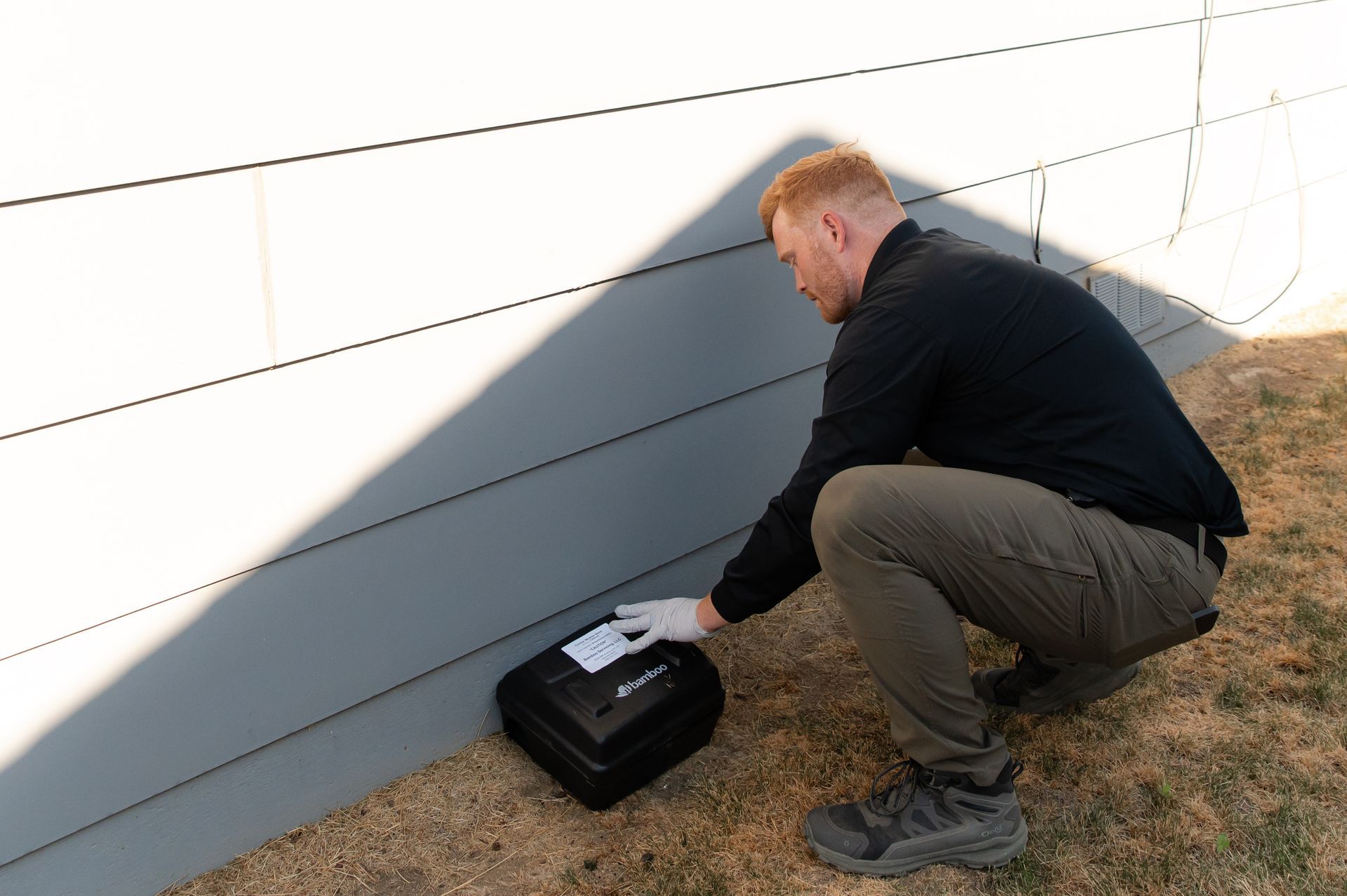
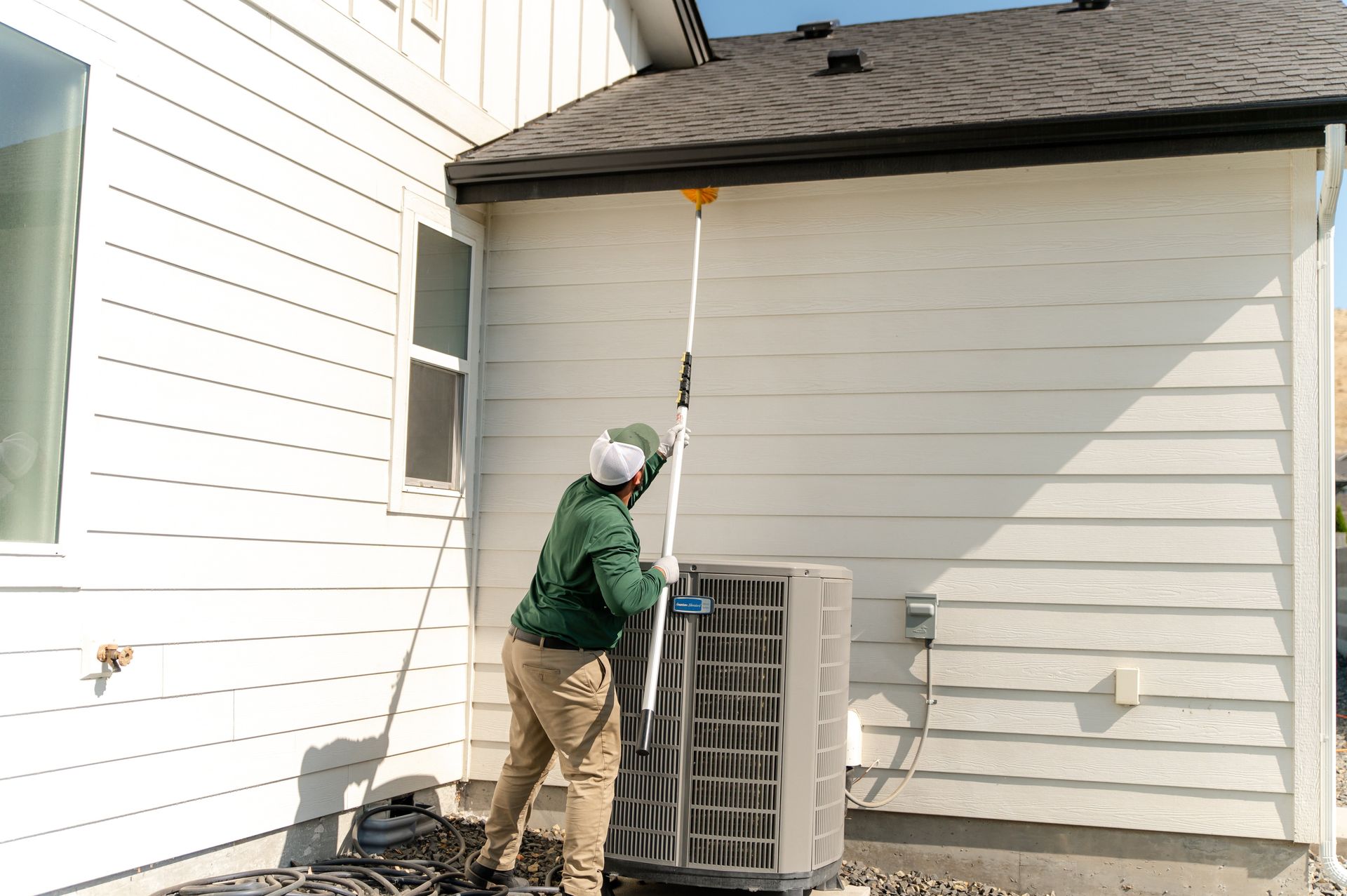
- Exterior access: Garage seals, foundation transitions, vents, and roofline junctions are examined for possible routes.
- Attic conditions: Droppings, nesting materials, and disturbed insulation can indicate movement above occupied rooms.
- Utility connections: Pipe and cable penetrations may reveal pathways connecting wall cavities with outdoor areas.
- Activity patterns: Fresh evidence is compared across locations to identify likely travel routes.
- Follow-up findings: Later inspections help determine whether control and exclusion work have reduced activity.
Our guide to hidden rodent entrances explains why small structural gaps can remain important even when homeowners rarely notice animals outdoors.
Removal and exclusion must also be coordinated properly. Sealing an active entrance before determining whether rodents remain inside could create further complications.
Where contamination or damage is present, additional cleaning or repair may be necessary. Rodent treatment does not automatically restore damaged insulation, wiring, or building materials.
An effective plan addresses the animals, the routes they use, and the conditions that may encourage their return. Follow-up monitoring then helps distinguish lingering evidence from renewed activity.
Winter rodent problems are easier to understand when the signs are treated as pieces of a larger picture rather than unrelated household annoyances.
Find Out What's Moving Behind Your Walls
If unexplained sounds or damage suggest rodents are hiding inside your home, contact Bamboo Pest Control for a professional inspection. Our team can identify activity, assess entry routes, and recommend appropriate rodent control and prevention.