When Emergency Pest Control May Be Necessary
Not every pest issue requires the same-day service, but certain situations can escalate quickly if left untreated. Some pests reproduce rapidly, while others create immediate safety concerns for people, pets, or property conditions.
Emergency pest control is often recommended when infestations begin interfering with daily activities or present elevated risks inside the structure.
Several warning signs may indicate the need for urgent service:
- Sudden pest activity increases rapidly. Infestations may spread quickly within a short period
- Rodents appear inside occupied areas. Active movement indoors may indicate nesting nearby
- Stinging insects create safety concerns. Nests near entrances or gathering spaces may increase risk
- Cockroach activity becomes widespread. Visible daytime movement may suggest a larger infestation
- Structural pests remain hidden. Termites and other wood-damaging pests may continue spreading unnoticed
In many emergency situations, the visible pests are only part of the problem. Professionals often inspect surrounding conditions to identify why the activity developed so quickly and whether additional hidden infestations may exist nearby.
What Happens During The Initial Inspection
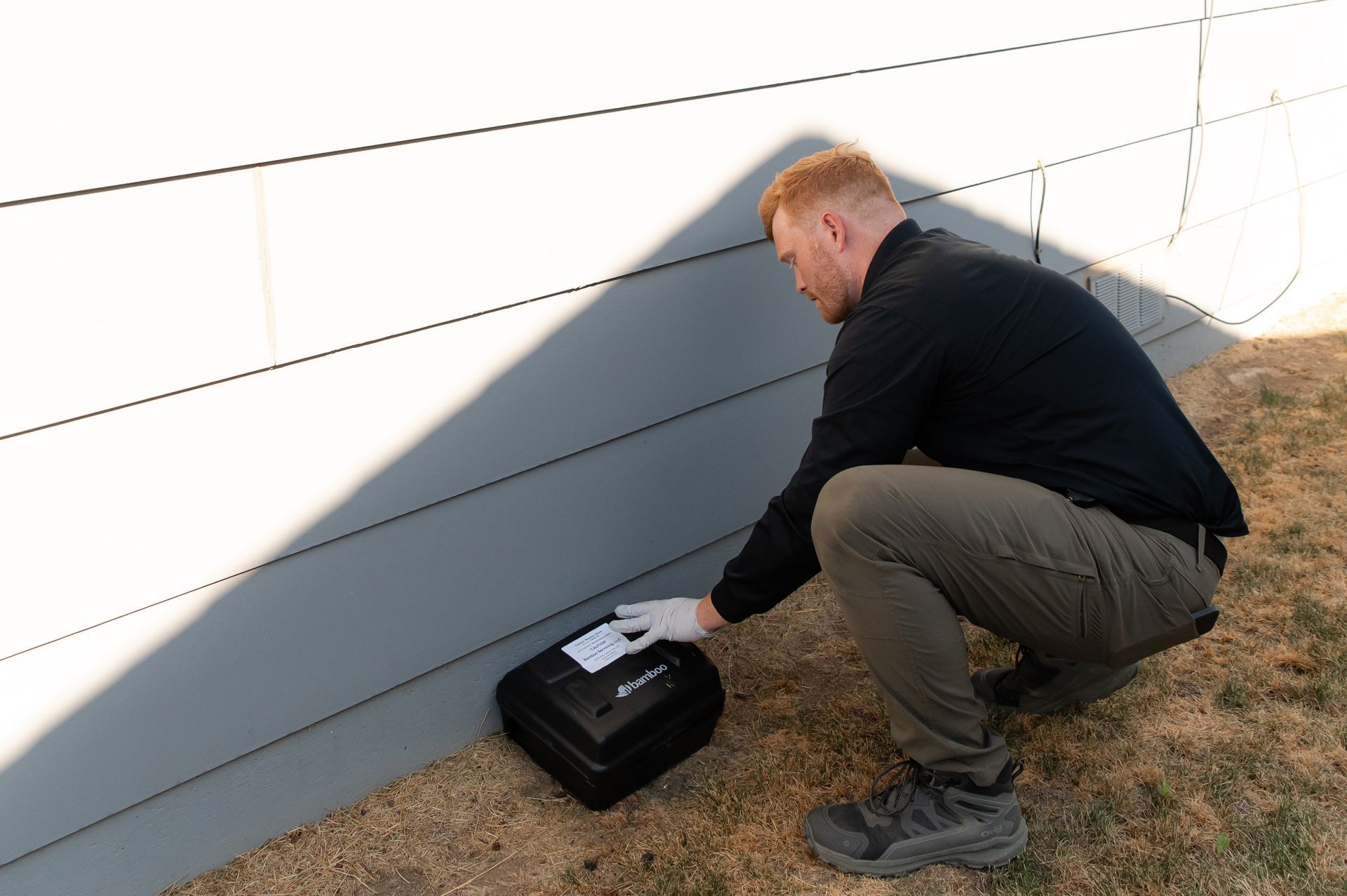
Emergency pest control services usually begin with a detailed inspection of the property. Even during urgent situations, professionals need to understand the source of the infestation before selecting the proper treatment approach.
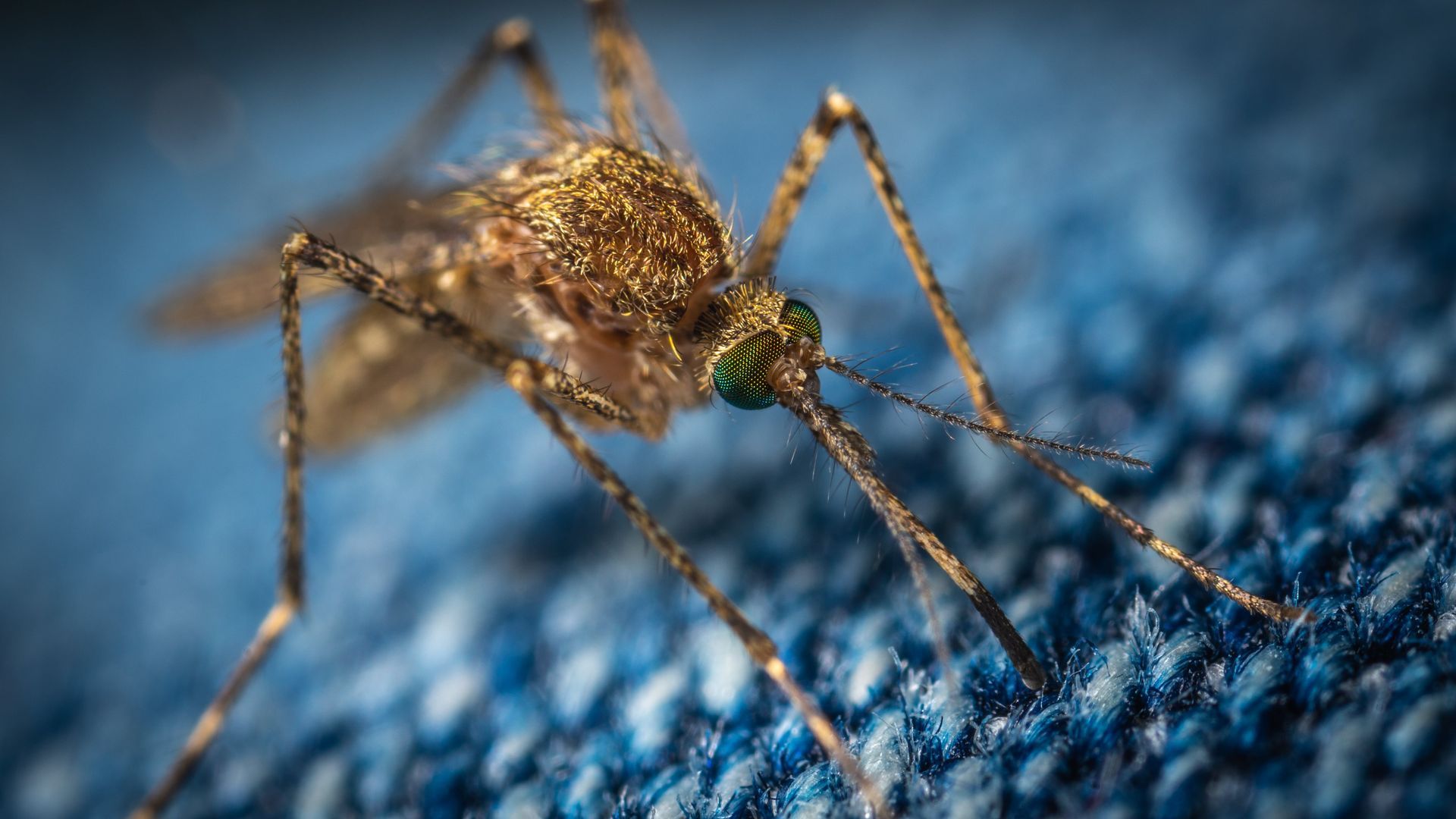
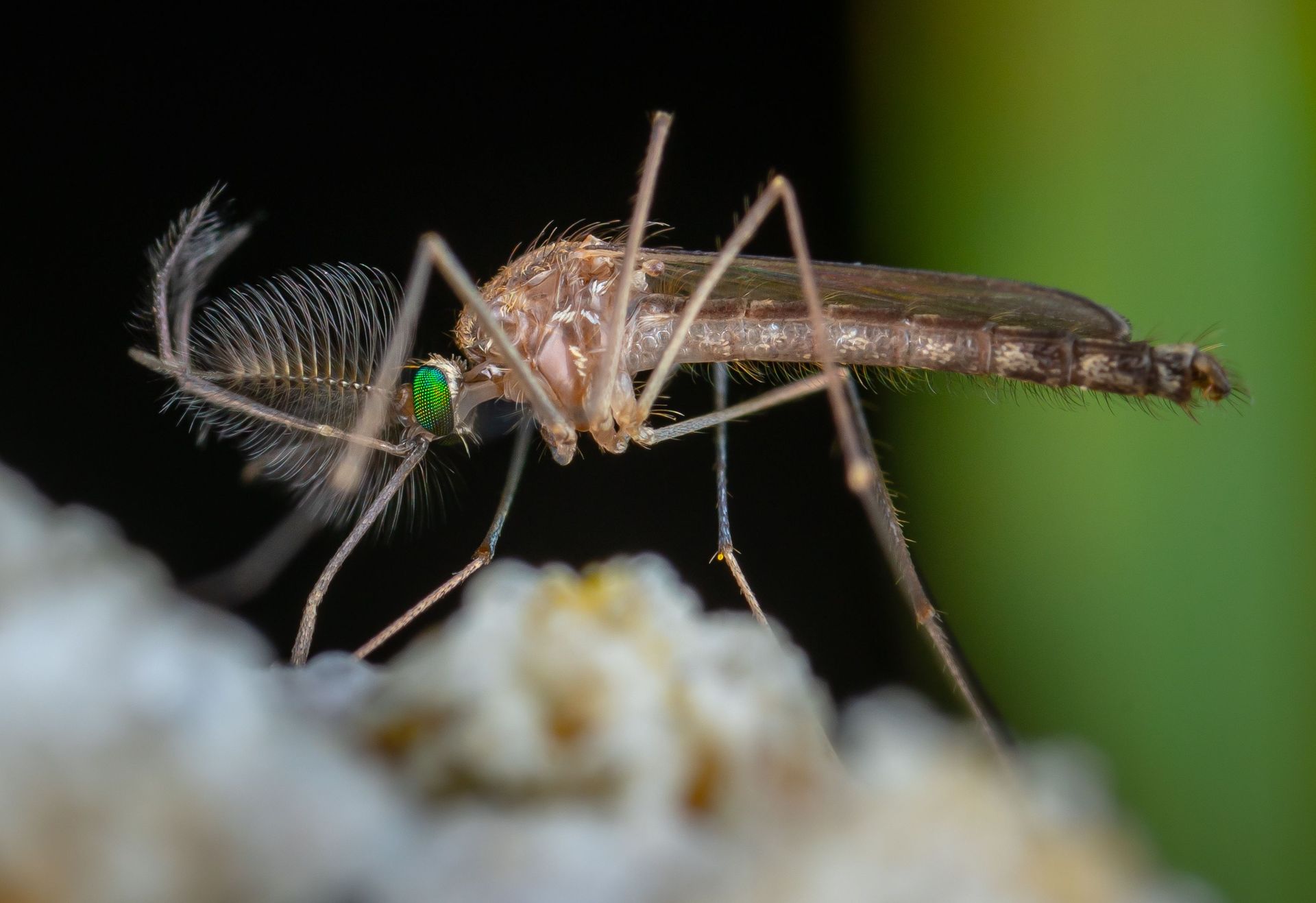
Different pests require different strategies. Rodent activity inside attics differs greatly from ant infestations in kitchens or mosquito pressure around outdoor living areas. A rushed treatment without proper inspection may only provide short-term relief.
Initial inspections often focus on:
- Entry points affecting infestation growth. Small structural gaps may allow repeated access
- Nesting or harborage locations. Hidden areas often support ongoing pest activity
- Moisture-related conditions increase risk. Damp environments attract several common pests
- Food and shelter availability indoors. Accessible resources may encourage continued infestations
- Severity of active pest pressure. Inspection findings help determine treatment priorities
Professionals also evaluate whether immediate containment is necessary to reduce further spread before full treatment begins.
Preparation may also help improve service efficiency during emergency visits. Property owners reviewing these helpful pre-treatment preparation tips often better understand how accessibility and environmental conditions can affect treatment success.
How Emergency Pest Control Treatments Are Performed
Once technicians identify the source of activity, treatment begins based on the pest type, infestation severity, and property conditions.
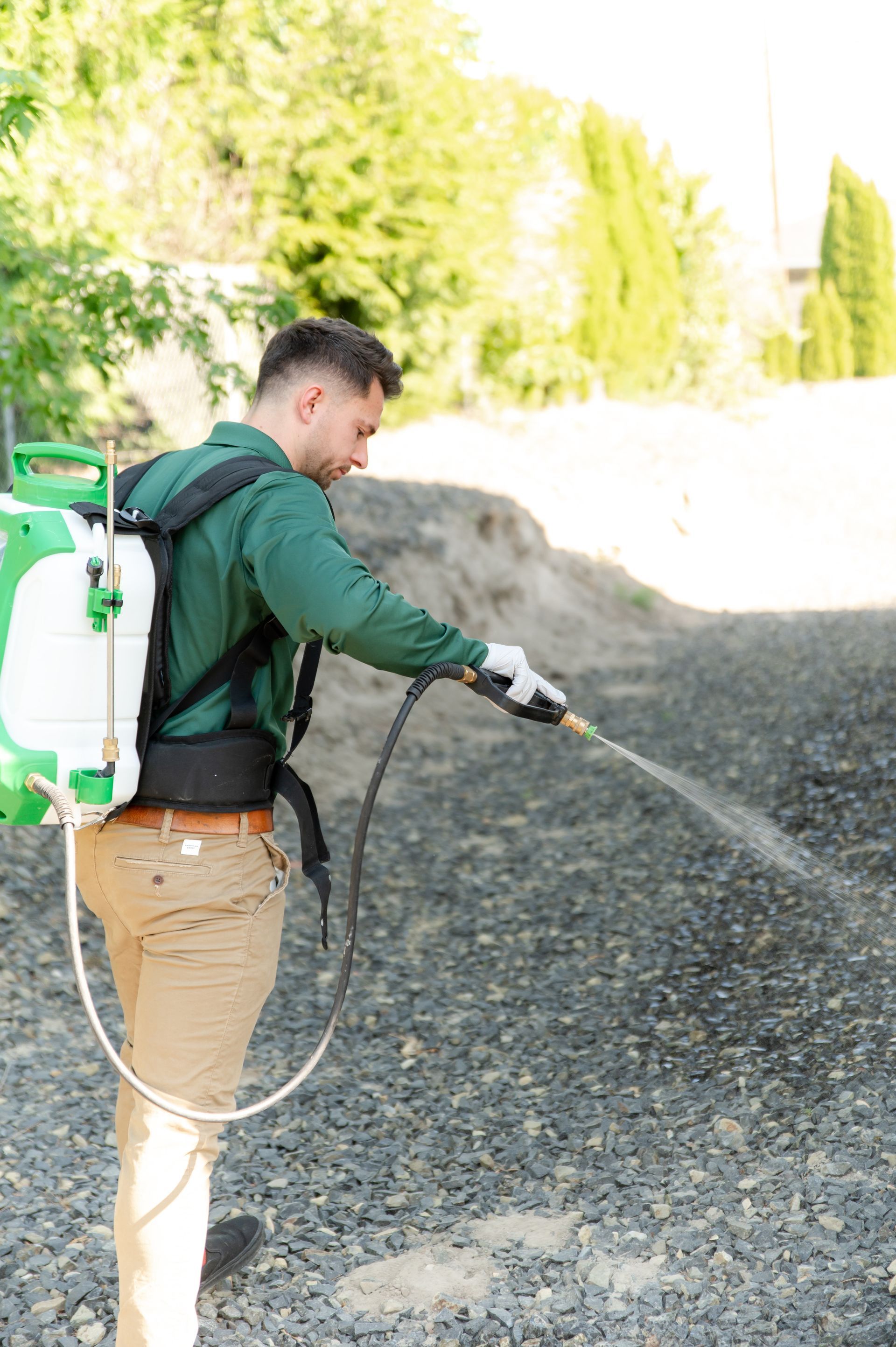
Emergency pest control treatments are typically more targeted than broad one-time applications. Professionals focus heavily on active areas while also addressing the conditions contributing to the infestation.
Treatment methods may include:
- Targeted applications reduce active infestations. Focused placement helps improve treatment precision
- Exclusion work limits additional entry. Sealing openings may reduce repeated pest access
- Monitoring helps track activity changes. Follow-up evaluations may identify remaining concerns
- Harborage reduction supports long-term control. Removing favorable conditions helps discourage pests
- Property-specific strategies improve efficiency. Different structures often require different approaches
Some infestations may require multiple visits depending on severity. Termites, rodents, cockroaches, and recurring ant infestations often involve hidden activity that extends beyond the immediately visible areas.
Modern pest control strategies may also incorporate lower-exposure products and environmentally-conscious methods when appropriate. Many property owners now prefer treatment plans balancing effectiveness with long-term environmental awareness. Learning more about eco-conscious treatment options can help explain how these approaches support both safety and efficiency.
Why Follow-Up Service Often Matters
One of the biggest misconceptions about emergency pest control is the idea that a single visit always solves the entire problem. In reality, many infestations develop over time and may involve hidden nesting areas or environmental conditions continuing to support pest activity.
Follow-up service often plays an important role in long-term pest management.
Professionals may recommend additional inspections or monitoring depending on the type of infestation and the level of activity discovered during the initial visit.
Several factors may influence follow-up recommendations:
- Infestation severity affects treatment timelines. Larger infestations may require continued monitoring
- Environmental conditions may support recurring activity. Moisture and clutter often increase pest pressure
- Seasonal changes influence pest behavior. Warmer weather may increase outdoor pest populations
- Structural vulnerabilities create ongoing exposure. Unsealed gaps may allow pests to return
- Prevention strategies improve long-term results. Monitoring and maintenance help reduce future infestations
This long-term perspective helps create more sustainable pest-management results instead of temporary relief alone.
Fast Response Matters, But So Does Strategy
Emergency pest situations often create understandable urgency. Still, effective pest control involves more than simply reacting quickly. Long-term results usually depend on accurate inspections, targeted treatment selection, environmental evaluation, and prevention-focused planning.
That balance between fast response and thoughtful strategy is what makes professional emergency pest control more effective today. Addressing both the active infestation and the conditions supporting it helps reduce the likelihood of repeated problems later.
When Immediate Help Becomes Important
Professional evaluations can help determine the severity of pest activity and identify the most effective next steps for treatment and prevention. Contact Bamboo Pest Control to learn more about emergency pest-control solutions and long-term protection strategies.