Kitchen Ant Trails Often Begin Somewhere Out of Sight
Ants explore their surroundings in search of food and water. When a worker discovers a useful source, chemical trails can help other ants follow the same route. This is why scattered sightings may develop into an organized line across the countertop or along the floor.
A kitchen inspection may reveal several contributing conditions:
- Food residue: Small crumbs, grease, and sticky spills can provide resources even after ordinary cleaning.
- Sink moisture: Leaks, condensation, or damp areas around plumbing may attract foraging ants.
- Appliance gaps: Narrow spaces behind refrigerators and dishwashers can conceal movement.
- Cabinet openings: Small gaps around pipes or unfinished joints may connect kitchens with hidden routes.
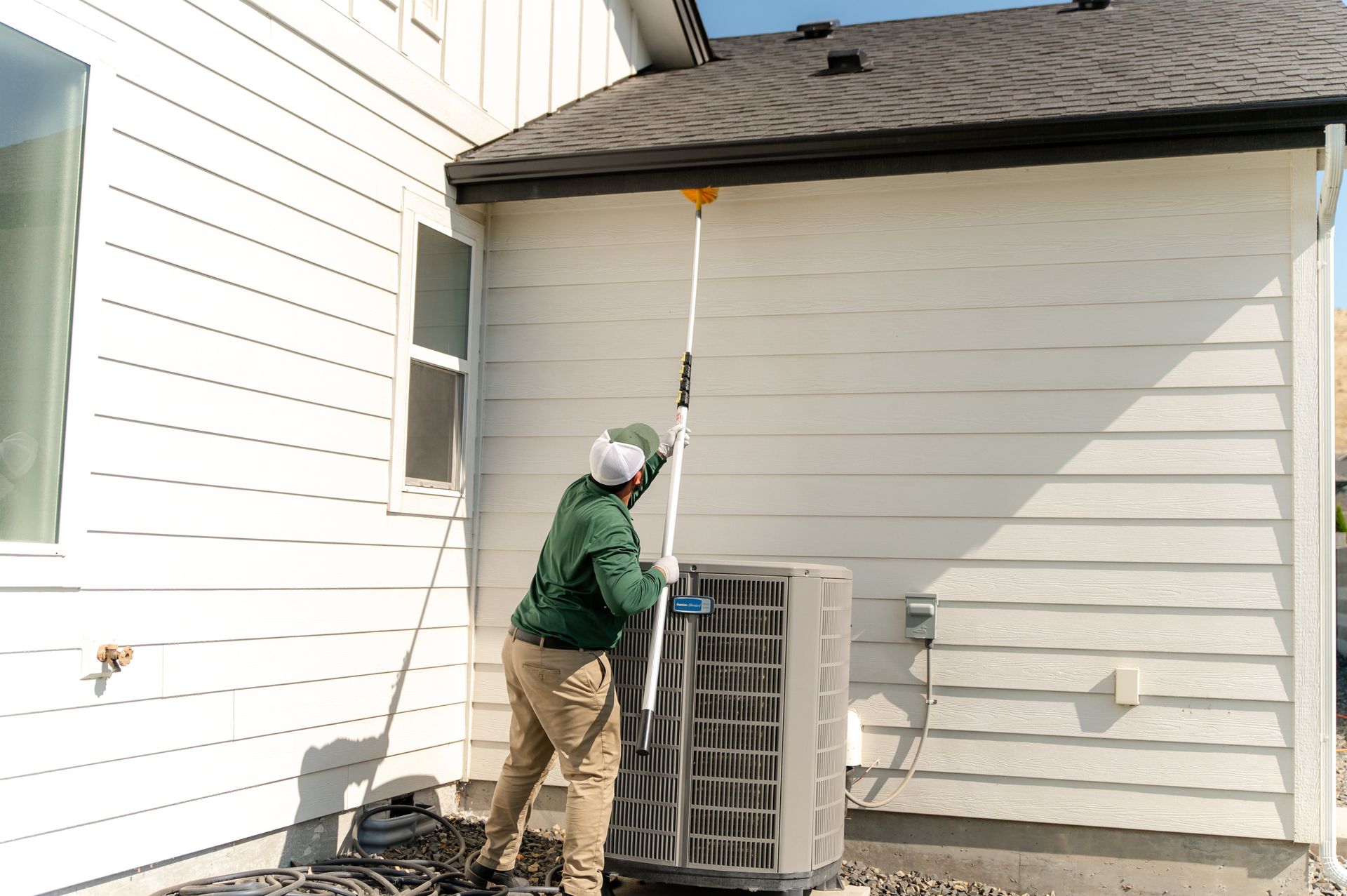
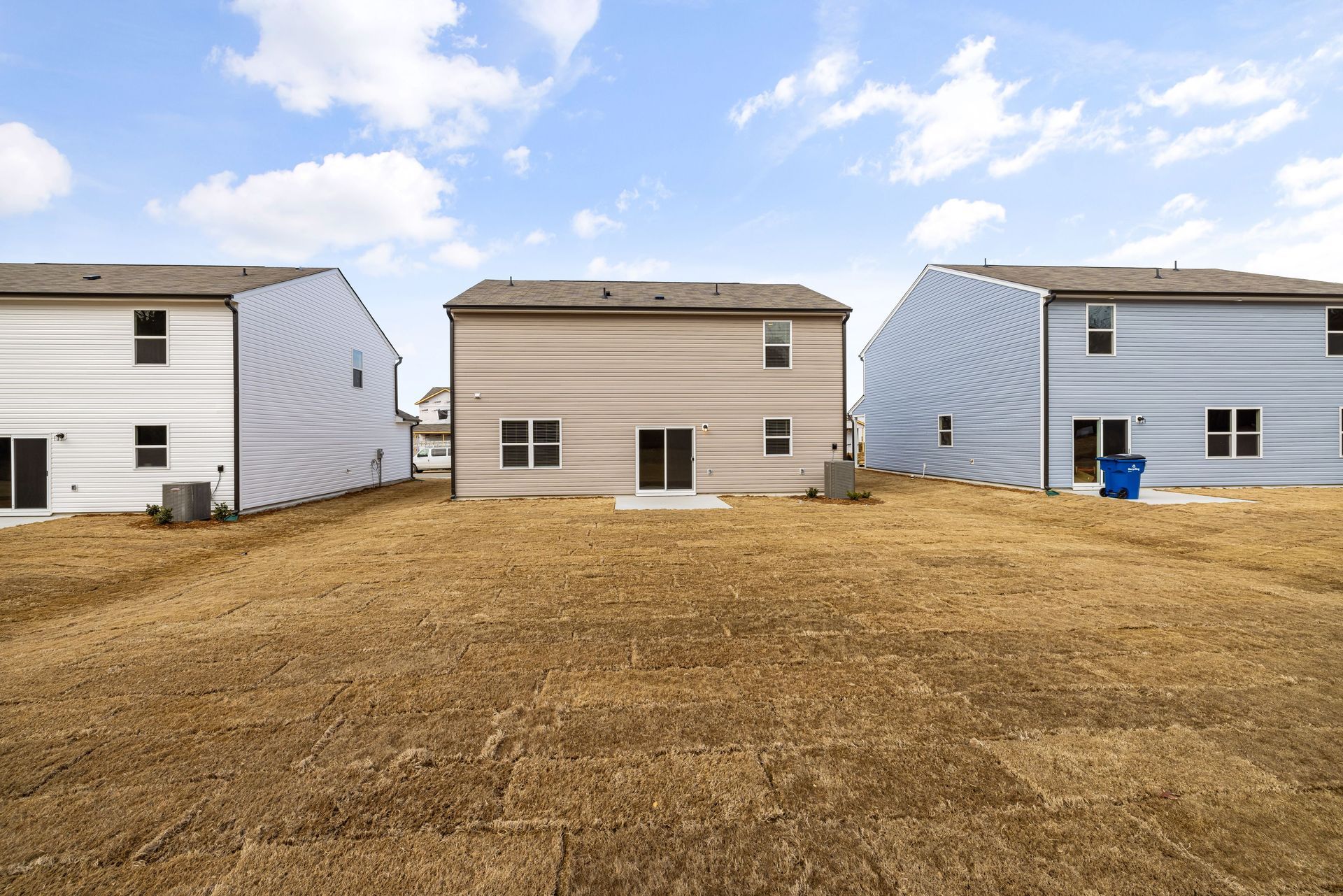
- Exterior access: Window frames, door transitions, and wall penetrations may provide ways indoors.
The visible trail is not always located near the colony. Ants may travel substantial distances from outdoor nests or concealed indoor spaces.
Our article on hidden ant trails explores how workers use structural connections and sheltered pathways to reach food sources inside homes.
Understanding the route helps distinguish an occasional forager from a continuing infestation. Our technicians may observe the direction of movement, inspect likely entry points, and assess whether multiple trails are connected.
Correct identification matters because not every ant species responds to treatments in the same way. Some infestations also involve more than one nesting location.
Effective Ant Control Must Address the Colony
The disappearance of ants from a countertop does not necessarily mean the infestation has ended. Workers represent only part of a colony, and additional ants may continue searching for the same food source after visible insects are removed.
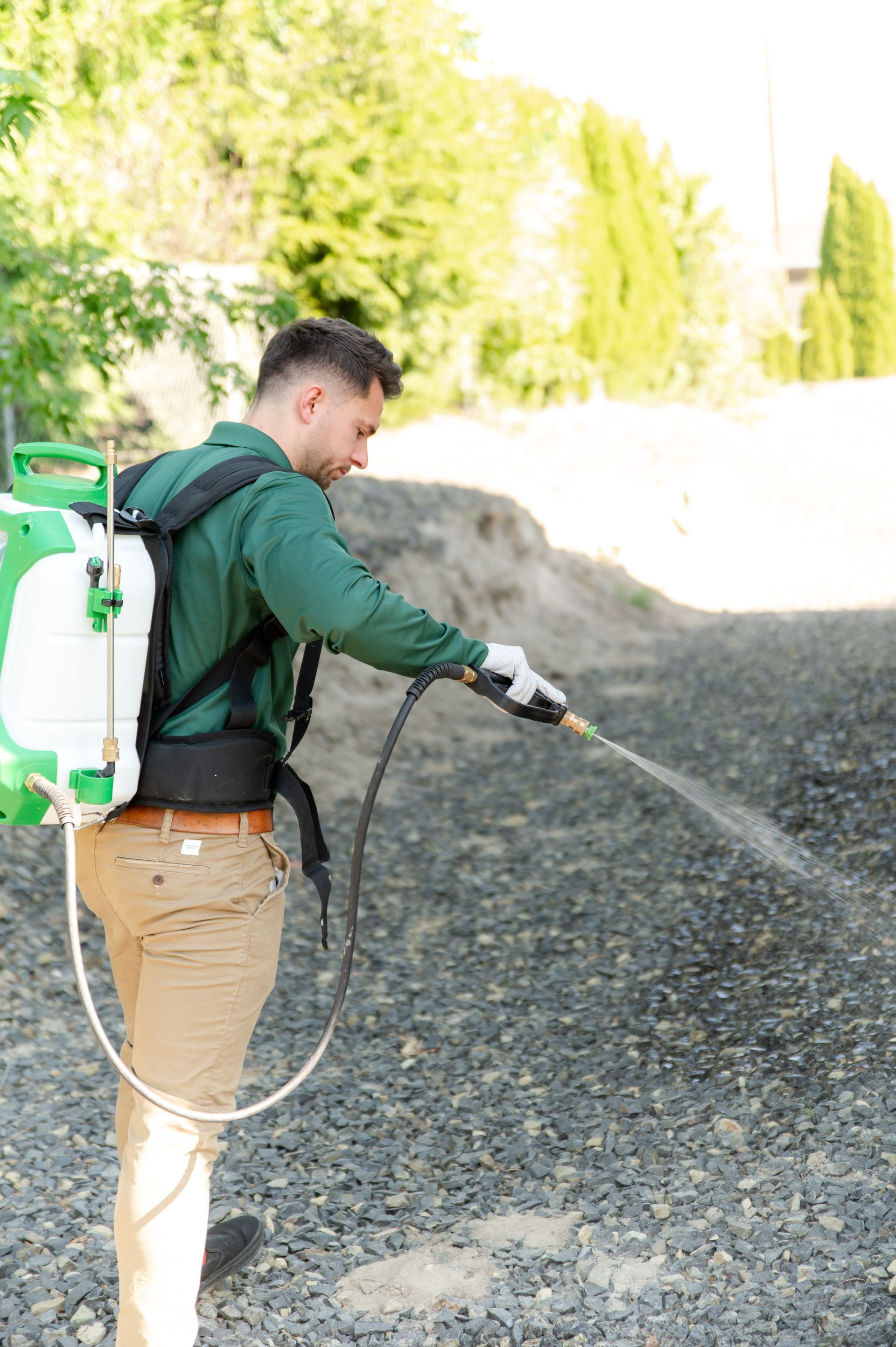
Professional ant management focuses on the wider problem.
A treatment strategy may include:
- Species identification: Recognizing the type of ant helps guide inspection and treatment selection.
- Activity mapping: Following confirmed trails can reveal where ants enter and which locations remain active.
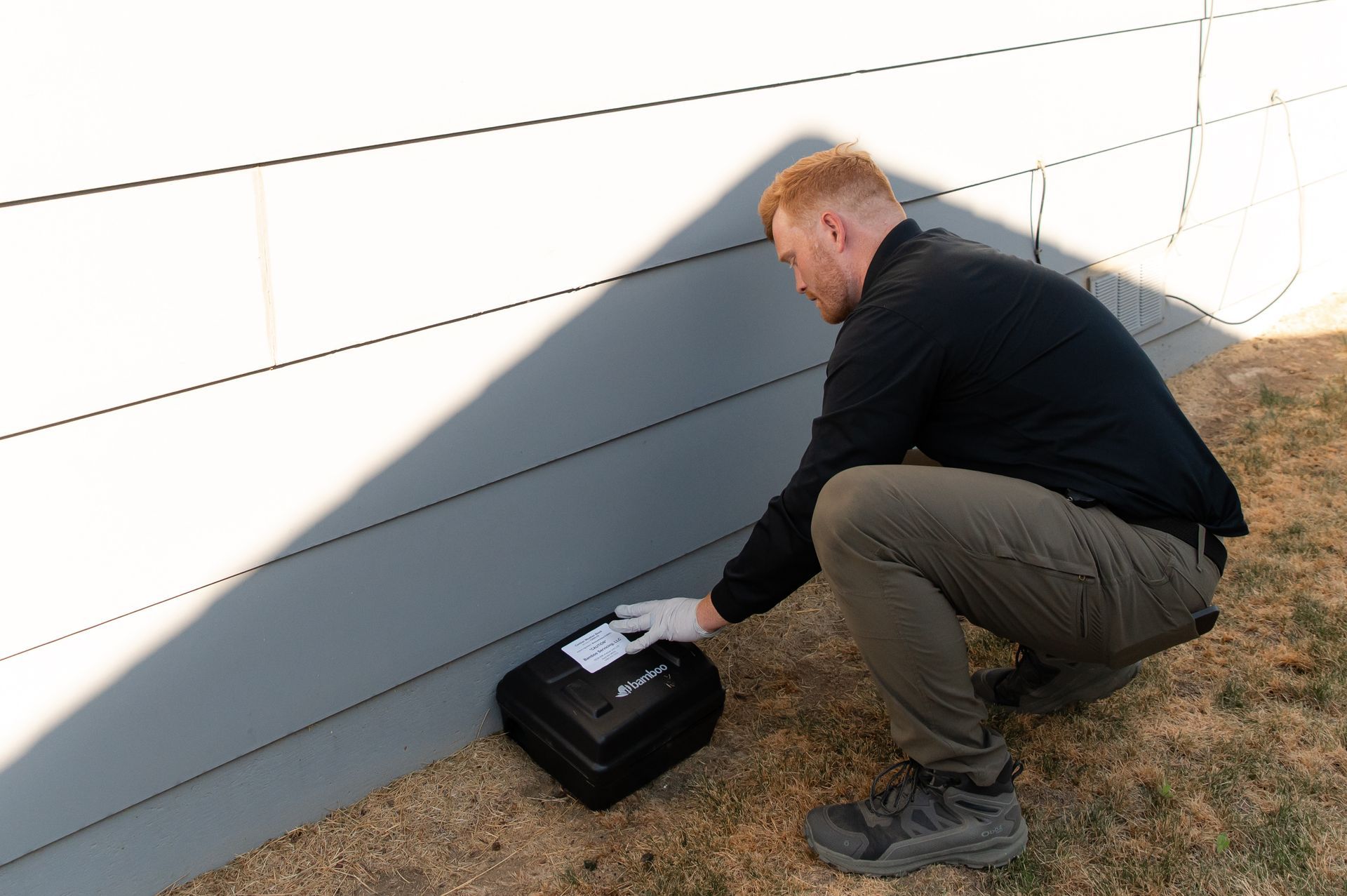
- Targeted baiting: Suitable baits may help control certain colonies when properly selected and placed.
- Harboring-area treatment: Specific cracks or nesting areas may require additional professional attention.
- Follow-up monitoring: Later inspections help determine whether trails have disappeared or activity has shifted.
Baits are not universally interchangeable. Ants may prefer different food types depending on their species, colony requirements, and environmental conditions. Poor placement or inappropriate products can therefore produce inconsistent results.
Our team selects treatments according to the infestation and household circumstances rather than applying the same solution to every kitchen.
Safety is also important. Food preparation surfaces, utensils, children, and pets must be considered when deciding where products belong. Applications should follow label requirements and the precautions explained by the technician.
A professional assessment can also distinguish ants from other insects that resemble them. This prevents treating the wrong pest and overlooking the actual source.
Preventing Repeat Trails Requires Continued Attention
Once an infestation is controlled, preventing recurring activity involves reviewing the conditions that originally attracted ants. Kitchens change throughout the day as meals are prepared, dishes are washed, and appliances operate. A location that seems dry in the morning may develop condensation or food residue later.
Long-term prevention can involve:
- Food management: Keeping ingredients and pet food properly stored reduces easily accessible resources.
- Moisture correction: Addressing leaks and persistent dampness makes feeding areas less attractive.
- Entry-point review: Gaps around windows, plumbing, and exterior transitions can be evaluated for sealing.
- Exterior inspections: Vegetation, mulch, and foundation edges may reveal nesting or movement near the building.
- Seasonal monitoring: Repeated sightings can identify whether particular weather conditions influence activity.
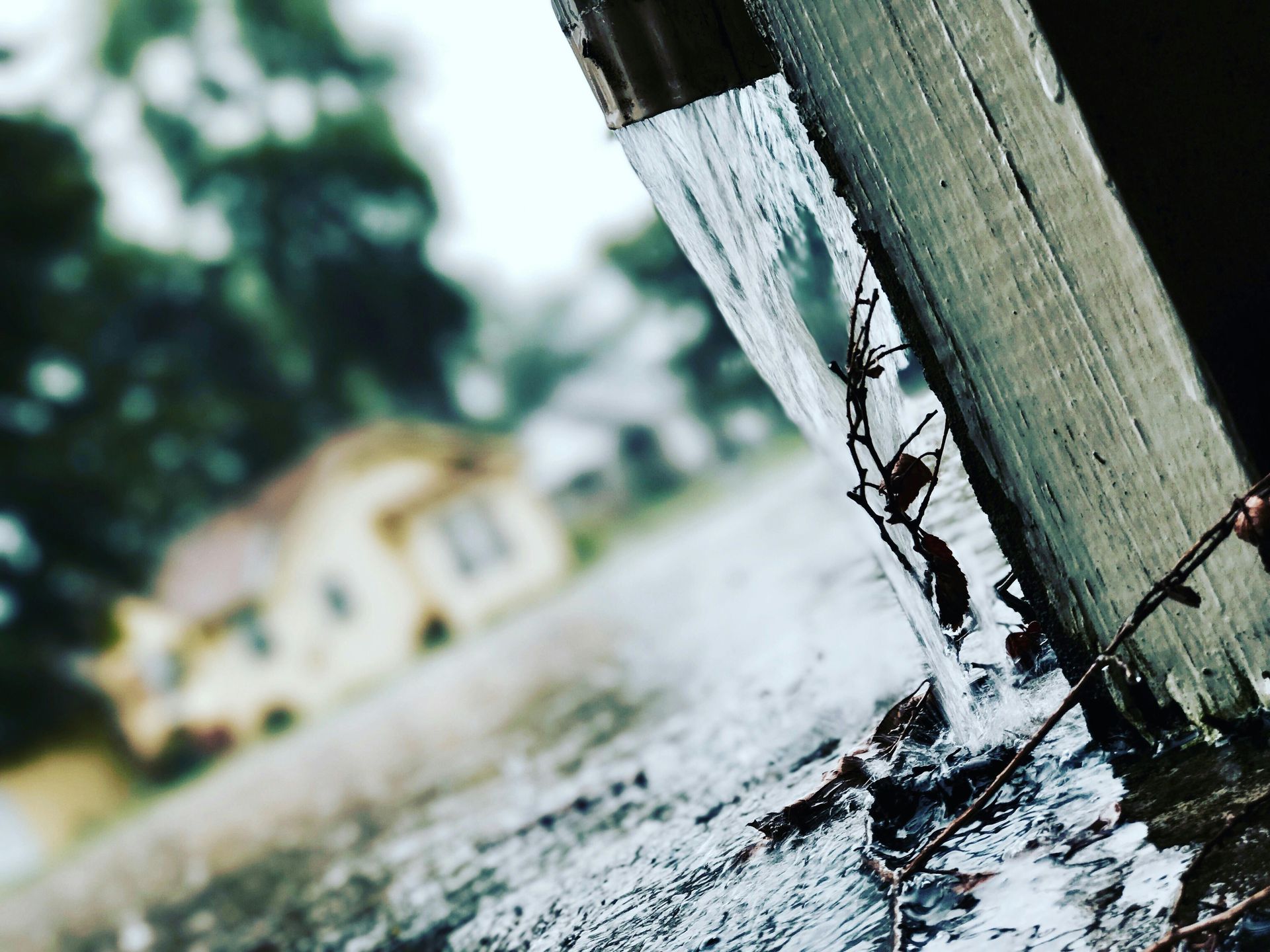
Our article on ants after heavy rain explains how wet weather can change where colonies forage and how ants move toward protected indoor resources.
Rain is only one factor. Temperature changes, irrigation, and available food can also influence the direction and intensity of ant movement.
A professional service plan can account for these differences by comparing current activity with earlier findings. Sometimes targeted treatment is warranted; at other times, correcting an environmental problem and continuing to monitor the area may be appropriate.
The goal is to manage the colony and reduce conditions that support future access, not simply to remove insects from the counter for a few days.
Even well-maintained kitchens can experience new ant activity. Accurate identification and timely follow-up provide a clearer response when that happens.
Take Your Kitchen Back From Recurring Ant Trails
If ants keep returning to your counters, cabinets, or sink, contact Bamboo Pest Control for professional ant control. Our team can investigate the colony, identify contributing conditions, and recommend targeted treatment and ongoing prevention.