Which Eco-Friendly Pest Control Methods Are Most Cost-Effective?

April 24, 2026

Eco-friendly pest control has moved from a niche preference to a practical standard for many property owners. The goal is no longer just eliminating pests but doing so in a way that balances effectiveness, safety, and long-term cost. When approached strategically, eco-conscious methods can provide reliable pest control without unnecessary environmental strain or repeated treatments.


From an expert perspective, cost-effectiveness is not measured by the lowest upfront expense. It is determined by how well a solution performs over time, how often it needs to be reapplied, and whether it addresses the root cause of the problem. Understanding these factors helps identify which eco-friendly methods deliver real value.

What Makes an Eco-Friendly Pest Control Method Cost-Effective

Not all environmentally conscious solutions provide the same level of performance. The most effective options combine sustainability with long-term reliability, reducing the need for repeated intervention.


  • Targeted application. Treatments focus on specific pests rather than broad exposure
  • Reduced frequency. Longer-lasting solutions minimize repeat services
  • Preventative impact. Addressing root causes lowers future infestation risk
  • Safe integration. Methods work without disrupting daily environments
  • Consistent results. Reliable performance avoids additional corrective treatments


These qualities define cost-effectiveness in pest control. A solution that requires constant reapplication or fails to address underlying issues often becomes more expensive over time.


Understanding how environmental approaches influence outcomes is essential. In our recent article on eco impact insights, the relationship between sustainability and performance is explored further.

Biological and Natural Treatment Approaches

Eco-friendly pest control often includes biological and naturally derived solutions that work with existing ecosystems rather than against them. These methods are designed to control pest populations while minimizing disruption.


  • Beneficial organisms. Introducing natural predators to reduce pest populations
  • Botanical treatments. Plant-based solutions that target specific pests
  • Growth regulators. Disrupting pest development cycles without widespread impact
  • Microbial solutions. Using naturally occurring agents to control infestations
  • Habitat balancing. Encouraging conditions that limit pest survival


These approaches are effective when applied strategically. They focus on long-term balance rather than immediate elimination, making them a valuable part of a comprehensive pest control plan.


However, their success depends on proper identification and application. Without expertise, results may be inconsistent or incomplete.

Preventative Strategies That Reduce Long-Term Costs

Prevention is one of the most cost-effective aspects of eco-friendly pest control. By addressing the conditions that attract pests, property owners can significantly reduce the likelihood of infestations.


  • Moisture control. Eliminating excess water sources that support pest activity
  • Structural sealing. Closing gaps and entry points to prevent access
  • Sanitation improvements. Reducing food sources that attract pests
  • Landscaping adjustments. Managing vegetation to limit shelter opportunities
  • Seasonal planning. Adapting strategies based on environmental changes


These measures create an environment that is less hospitable to pests. While they may require initial effort, they reduce the need for reactive treatments over time.


Seasonal adaptation plays a key role in prevention. In our blog post on seasonal pest planning, the importance of adjusting strategies throughout the year is discussed in more detail.

Why Eco-Friendly Methods Require a Strategic Approach

Eco-friendly pest control is not a one-size-fits-all solution. Its effectiveness depends on how well the chosen methods align with the specific pest, environment, and level of activity.


  • Species identification. Different pests require different treatment methods
  • Environmental assessment. Conditions must support the chosen approach
  • Timing considerations. Treatments must be applied at the right stage of the pest lifecycle
  • Integration of methods. Combining techniques for stronger results
  • Monitoring and adjustment. Ongoing evaluation ensures continued effectiveness


These factors highlight the importance of a structured plan. Eco-friendly solutions are most effective when they are part of a coordinated strategy rather than isolated actions.


Without this level of planning, even sustainable methods may fall short. Proper implementation ensures that results are both effective and cost-efficient.

The Role of Professional Expertise in Eco-Friendly Pest Control

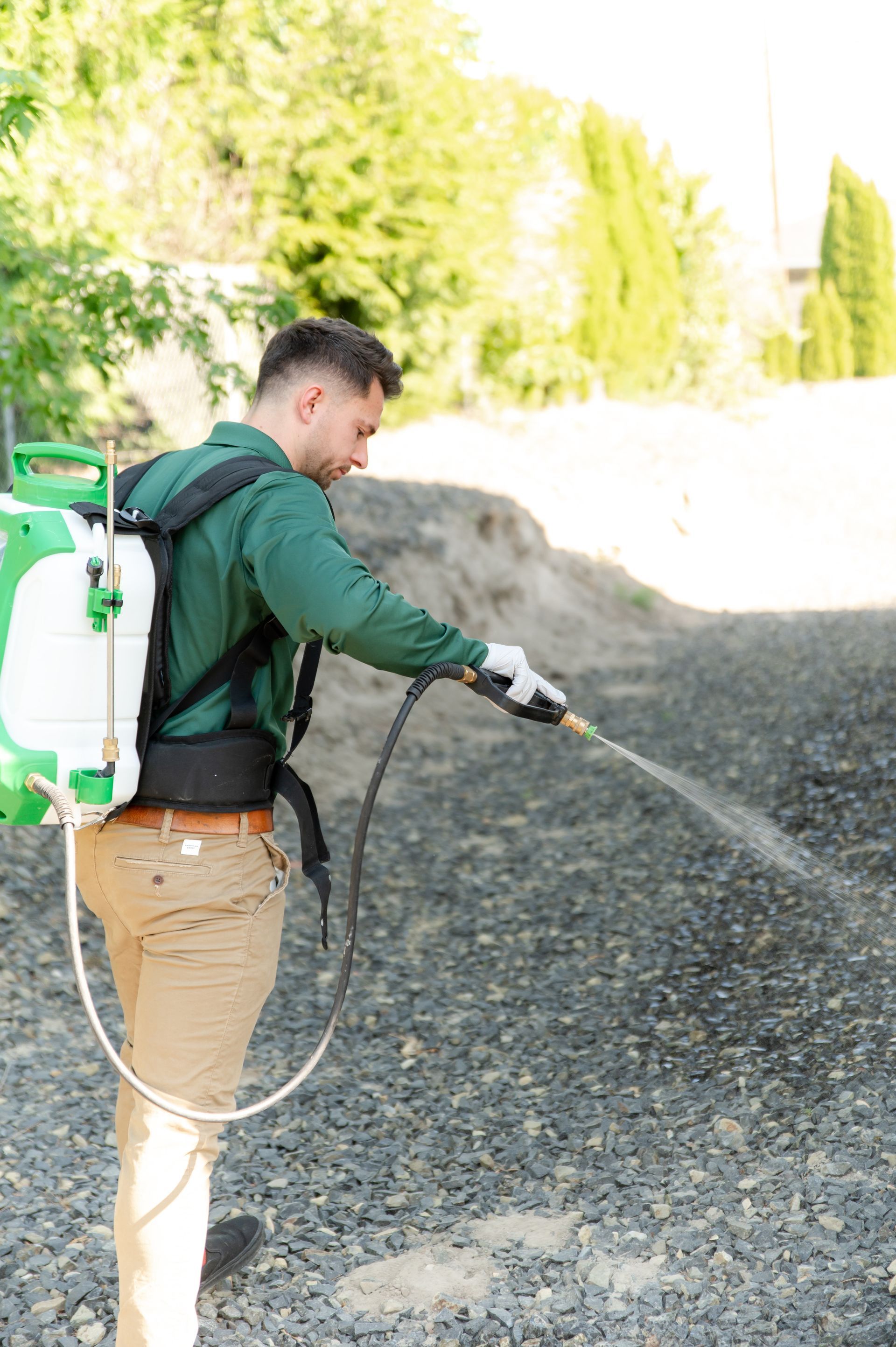
Professional pest control services play a critical role in maximizing the value of eco-friendly methods. Their expertise ensures that treatments are selected and applied based on accurate assessments rather than assumptions.


The process begins with a detailed evaluation of the property. This includes identifying the type of pest, understanding environmental conditions, and determining the most appropriate approach. Based on this information, a tailored plan is developed to address both immediate concerns and long-term prevention.


Professionals also have access to advanced tools and formulations that enhance the effectiveness of eco-friendly treatments. These solutions are applied with precision, ensuring that they target pests without unnecessary exposure.


Another key advantage is consistency. Regular monitoring allows for adjustments as conditions change, maintaining control over time. This ongoing support is essential for preventing recurrence and ensuring that the chosen methods continue to perform effectively.


Without this level of expertise, eco-friendly pest control may require more frequent intervention, increasing overall costs. Professional involvement ensures that solutions remain efficient, targeted, and aligned with long-term goals.

Where Smart Solutions Lead to Lasting Control

Eco-friendly pest control is most cost-effective when it is guided by strategy, precision, and long-term planning. The right approach not only reduces environmental impact but also delivers consistent and reliable results.


For expert guidance and sustainable pest control solutions, contact Bamboo Pest Control and take the next step toward a more efficient and balanced approach.

Like this content? Share it!

By Gary Gill April 16, 2026
Spring is one of the most active seasons for ants. As temperatures rise and moisture levels increase, ant colonies begin to expand and search for reliable food sources. This shift often leads them directly into homes and structures, where they can quickly establish trails and nesting sites. From a professional perspective, ant prevention during spring is most effective when it is proactive rather than reactive. Waiting until ants become visible often means that colonies are already well established. A structured pest control approach focuses on early detection, targeted treatments, and long-term prevention strategies that address the root cause of activity.
By Gary Gill April 9, 2026
Pest activity does not stay consistent throughout the year. Changes in temperature, moisture, and food availability influence how pests behave, where they hide, and how quickly they multiply. What works in one season may not be enough in another, which is why prevention strategies should evolve rather than remain static.  From an expert perspective, effective pest management is not about reacting to visible problems. It is about anticipating shifts before they escalate. A well-timed pest inspection helps identify early patterns that often go unnoticed, allowing adjustments that keep infestations from gaining momentum.
By Gary Gill April 3, 2026
Mosquitoes can turn a comfortable yard into a space that feels difficult to enjoy. Their presence is not only disruptive, but also persistent. Once they find a suitable environment, they tend to return quickly. That is why mosquito control is less about a single fix and more about combining immediate action with ongoing prevention. For homeowners looking for fast results, the key is understanding how mosquitoes live, where they breed, and what conditions allow them to stay active. A targeted approach can significantly reduce activity in a short period of time, especially when the right areas are addressed first.
By Gary Gill March 27, 2026
Modern pest control is no longer defined by elimination alone. It has shifted toward balance. The goal is to manage pest activity while minimizing unintended effects on surrounding ecosystems, indoor environments, and long-term environmental health.  Eco-friendly pest solutions are designed with that balance in mind. They focus on targeted treatments, reduced chemical exposure, and strategies that align with natural processes rather than disrupt them. When applied correctly, these methods can address pest issues while supporting environmental stability.
By Gary Gill March 20, 2026
Seattle’s environment creates a unique set of conditions that allow pests to thrive throughout the year. Mild temperatures, consistent rainfall, and dense vegetation all contribute to increased pest activity across residential and commercial properties. What may seem like a seasonal concern often becomes an ongoing issue when left unaddressed.  A pest prevention plan is designed to manage these conditions before they lead to active infestations. Rather than reacting to visible problems, it focuses on early detection, consistent monitoring, and targeted intervention. This proactive approach plays a key role in maintaining a stable and protected property.
By Gary Gill March 12, 2026
Spring often brings warmer days, blooming landscapes, and renewed outdoor activity. It also marks a noticeable rise in ant sightings around homes and commercial properties. From kitchen counters to foundation lines, ants seem to reappear almost overnight. This seasonal surge is not random. It is driven by environmental changes and colony behavior that naturally intensify during this time of year. Understanding why ants become more active in spring is the first step toward preventing larger infestations. As pest management professionals, we see a clear pattern each year. Temperature shifts, moisture levels, and colony expansion all contribute to the increased need for proactive ant control.
By Gary Gill March 6, 2026
Mosquito activity can ramp up fast once warmth and moisture become consistent. When bites start piling up, it is common to reach for store-bought sprays, foggers, granules, or backyard gadgets that promise quick relief. Some of those options can reduce nuisance mosquitoes for a short window, but short-term relief is not the same as meaningful control.  From an expert perspective, mosquito management is not just about knocking down adults we see flying near the porch light. Sustainable control hinges on finding breeding sources, reducing favorable conditions, and treating the zones where mosquitoes rest and reproduce. That is where the gap between DIY approaches and professional mosquito control becomes noticeable.
By Gary Gill February 27, 2026
DIY pest kits promise quick answers and fast relief, but pests rarely follow simple patterns. From an expert perspective, the biggest difference between short-term fixes and lasting results comes down to inspection. A professional inspection is designed to uncover where pests are entering, nesting, and spreading, not just where they are visible at the moment. Pests adapt quickly. They hide behind walls, beneath floors, and inside structural voids where store-bought kits cannot evaluate conditions properly. While DIY kits may address surface activity, they often miss the underlying drivers of infestations. Understanding why professional inspection outperforms these kits helps explain why many pest problems return despite repeated attempts.
By Gary Gill February 20, 2026
As winter ends, rising moisture drives rodents indoors. Learn how damp conditions increase activity, warning signs to watch for, and why timing matters.
By Gary Gill February 12, 2026
How Spring Rains Disrupt Ant Colonies Ants rely on underground networks that are highly sensitive to moisture levels. Prolonged or heavy spring rains can flood nesting sites, collapse tunnels, and displace workers and queens. When that happens, colonies are forced to relocate or expand their foraging range. Key effects of spring rainfall on ant behavior include: Flooded nests that push ants to seek higher, drier ground. Soil saturation that makes it easier for ants to tunnel toward foundations. Increased humidity that supports faster colony growth. Disrupted food sources outdoors that send ants searching indoors. These shifts explain why ants often appear in kitchens, bathrooms, and basements shortly after consistent rain. Homes offer stable temperatures, dry shelter, and reliable access to food and water. Without addressing the source of the pressure, ant control becomes an ongoing challenge throughout the season. Why Homes Become Prime Targets After Rain Residential structures unintentionally provide everything ants need once outdoor conditions become unstable. Small gaps, moisture sources, and food residue create ideal conditions for exploration and trail formation. Professionals often observe the following risk factors: Foundation cracks and expansion joints that allow easy entry. Plumbing penetrations and utility lines that act as ant highways. Moisture buildup indoors from leaks, condensation, or poor ventilation. Accessible food sources such as crumbs, pet bowls, and trash areas. Once a few ants locate a suitable environment, chemical trails quickly attract more workers. This is why infestations seem to escalate overnight. Effective ant control depends on interrupting this process, not just reacting to visible ants. The Types of Ants Most Active in Spring Not all ants behave the same way. Spring conditions activate several species at once, each with different nesting habits and risks. Correct identification matters because treatment strategies vary based on species behavior. Common spring active ants include: Odorous house ants that form long indoor trails toward food and moisture. Pavement ants that nest under slabs and migrate indoors during rain. Carpenter ants that exploit damp or damaged wood. Moisture ants that thrive in high-humidity areas. A closer look at regional species, including those frequently found in residential areas, is outlined in common ant species . Understanding which ants are present helps explain why some infestations persist despite repeated cleaning or surface treatments. Why Seasonal Ant Problems Rarely Resolve on Their Own Many homeowners assume ant activity will subside once the weather stabilizes. In reality, spring rain often sets the stage for long-term issues. Colonies that successfully establish indoor foraging routes may remain active well into summer. Several factors contribute to ongoing infestations: Satellite nesting where colonies split and spread into walls or voids. Reinforced scent trails that remain active even after rain stops. Unaddressed exterior conditions that continue to support colonies. Lack of monitoring that allows populations to rebuild unnoticed. Ant control is most effective when it accounts for these long-term behaviors. Simply waiting out the season often results in recurring activity and expanding infestations that become harder to manage over time. Why Professional Ant Control Is Built Around Timing and Strategy Spring is not just a busy season for ants. It is a critical window for control. Professionals focus on timing, inspection, and targeted strategies that interrupt colony growth rather than chasing individual ants. From an expert standpoint, effective ant control includes: Identifying nesting zones both indoors and outdoors. Targeting colonies at their source instead of relying on surface treatments. Addressing moisture and access points that attract ants after rainfall. Monitoring activity patterns to adjust treatments as conditions change. Residential environments require a measured approach that balances effectiveness and safety. Guidance from experienced professionals helps ensure that treatments remain precise, efficient, and aligned with the realities of seasonal pest pressure. A broader view of how residential pest management works across different regions can be found in residential pest experts , which highlights the importance of structured planning rather than reactive responses. Spring rains may trigger ant activity, but lasting solutions depend on understanding why ants move, where they settle, and how colonies adapt. When these factors are addressed together, control efforts become more predictable and sustainable. A Smarter Way To Stay Ahead Of Ant Season Spring ant activity is rarely random. It follows patterns shaped by moisture, shelter, and opportunity. For homeowners looking to stay ahead of seasonal infestations, professional insight makes a meaningful difference. Contact Bamboo Pest Control to explore ant control solutions designed around timing, precision, and long-term protection.
Show More Blog Posts