How Mosquito Activity Impacts Event Planning
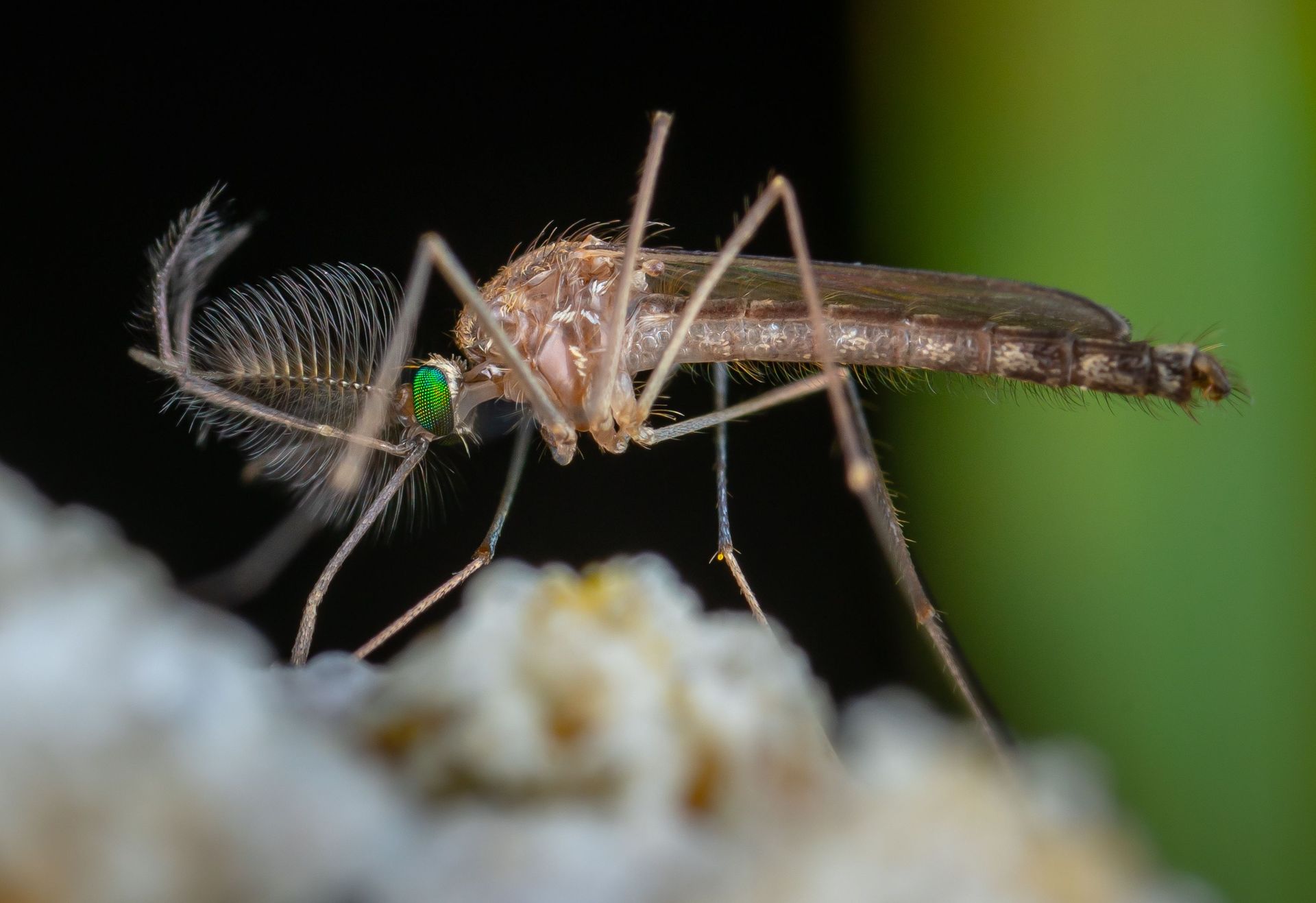
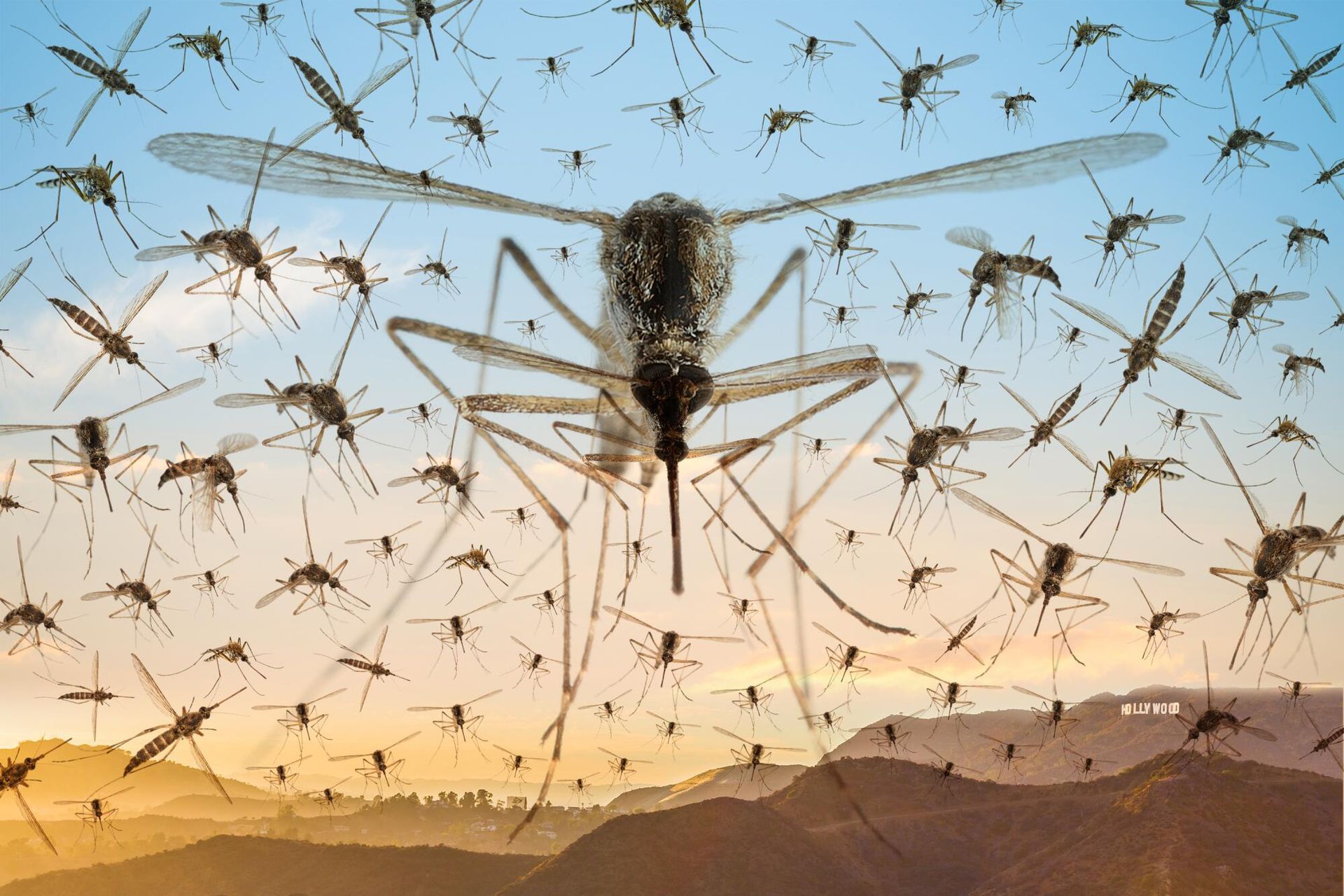
Mosquitoes are highly sensitive to environmental conditions. Their activity tends to increase during warmer temperatures, especially in the early morning and evening hours. Coastal humidity, shaded areas, and standing water can further intensify their presence.
When planning an event, it is important to consider:
- Time of day when mosquito activity is typically highest
- Weather conditions that may influence mosquito behavior
- Presence of water sources that support breeding
- Outdoor lighting that can attract insects
These factors determine how likely mosquitoes are to interfere with an event. Understanding these patterns allows homeowners to anticipate potential challenges rather than responding at the last minute.
Mosquito treatment works best when it aligns with these activity cycles. Applying it at the right time ensures that populations are reduced before guests arrive, creating a more comfortable outdoor space.
Timing Mosquito Treatments Before Events
One of the most common questions is how far in advance a mosquito treatment should be scheduled. Timing is critical because treatments need time to take effect while also maintaining peak performance during the event.
Effective scheduling typically involves:
- Applying treatment a few days before the event to reduce active populations
- Allowing time for products to settle and begin working
- Coordinating treatment with weather conditions to avoid disruption
- Planning follow-up timing if multiple events are scheduled
Treatments applied too early may lose effectiveness by the time the event takes place. On the other hand, treatments applied too close to the event may not have enough time to fully reduce mosquito activity.
Balancing this timing requires a clear understanding of how treatments interact with the environment. This is why scheduling is often planned in advance rather than as a last-minute solution.
For a broader perspective on how pest activity changes throughout the year, our resource on seasonal pest planning explains how timing influences overall pest control strategies.
Preparing Your Yard For Better Results
Mosquito treatment becomes more effective when the environment supports it. Preparing the yard before treatment helps ensure that the process delivers consistent results.
Key preparation steps include:
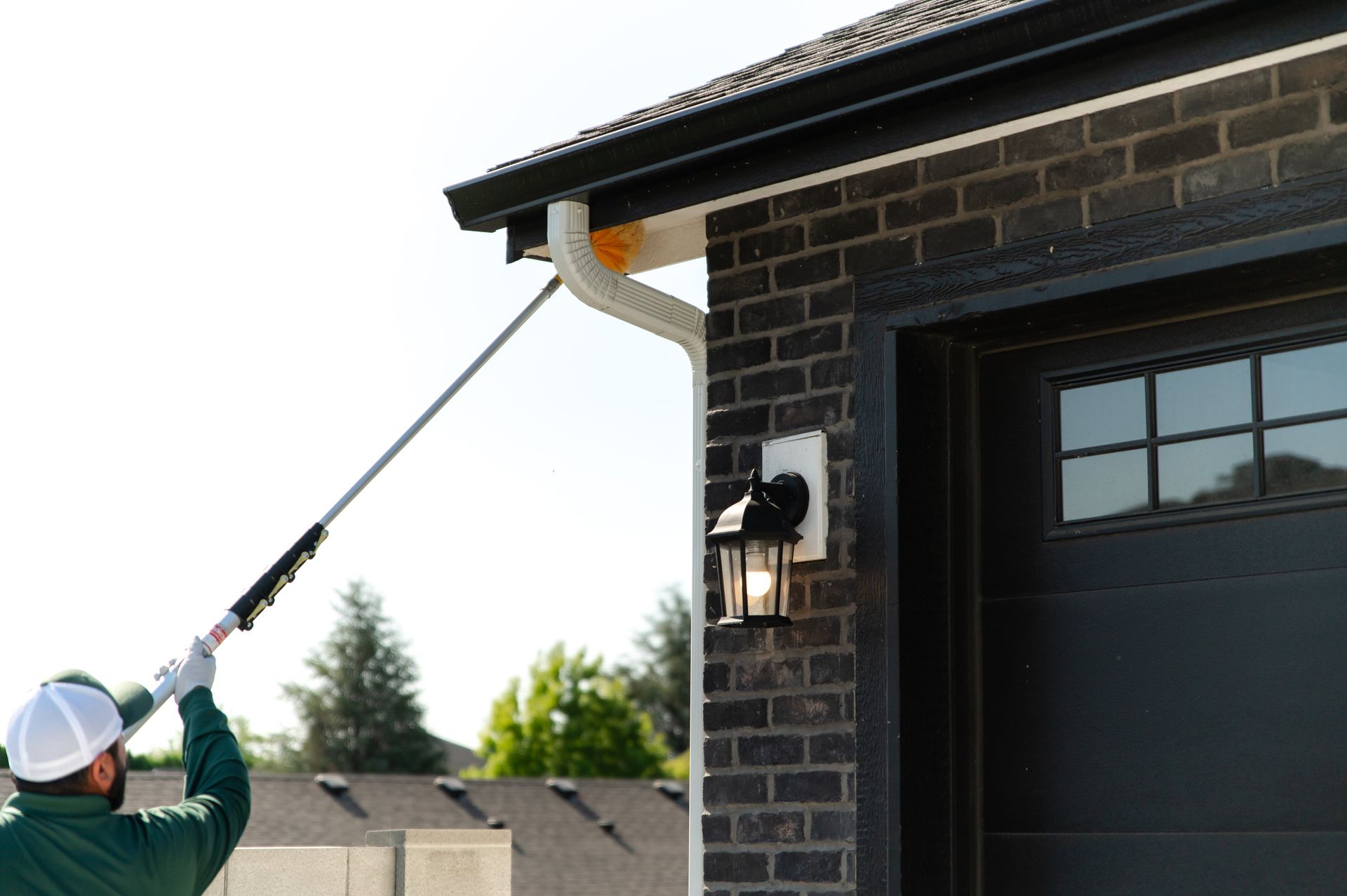
- Removing standing water from containers, gutters, and low areas
- Trimming vegetation to reduce shaded resting spots
- Clearing debris that may trap moisture
- Keeping outdoor spaces organized to allow full treatment coverage
These actions reduce the conditions that allow mosquitoes to thrive. Without proper preparation, treatments may not reach all areas where mosquitoes hide, limiting their effectiveness.
Environmental preparation also supports long-term control. When breeding sites are minimized, mosquito populations are less likely to rebound quickly after treatment.
For homeowners looking to address immediate concerns, our recent article on quick mosquito solutions provides insight into how targeted efforts can reduce activity in a shorter timeframe.
Maintaining Protection During Event Season
Scheduling a single mosquito treatment can improve conditions for one event, but ongoing protection often requires a broader approach. Mosquito populations can return quickly, especially during peak season.
To maintain consistent control:
- Monitor mosquito activity between events
- Schedule treatments based on recurring outdoor use
- Adjust timing as weather conditions change
- Keep yard maintenance consistent throughout the season
This approach ensures that each event benefits from the same level of preparation. Rather than starting from scratch each time, ongoing management creates a more stable outdoor environment.
Mosquito treatment works best as part of a continuous plan rather than a one-time solution. This consistency helps prevent sudden increases in activity that could disrupt future gatherings.
Why Professional Scheduling Makes A Difference
Coordinating mosquito treatment around events requires more than choosing a date. It involves understanding pest behavior, environmental conditions, and treatment timing. Each of these factors influences how effective the process will be.
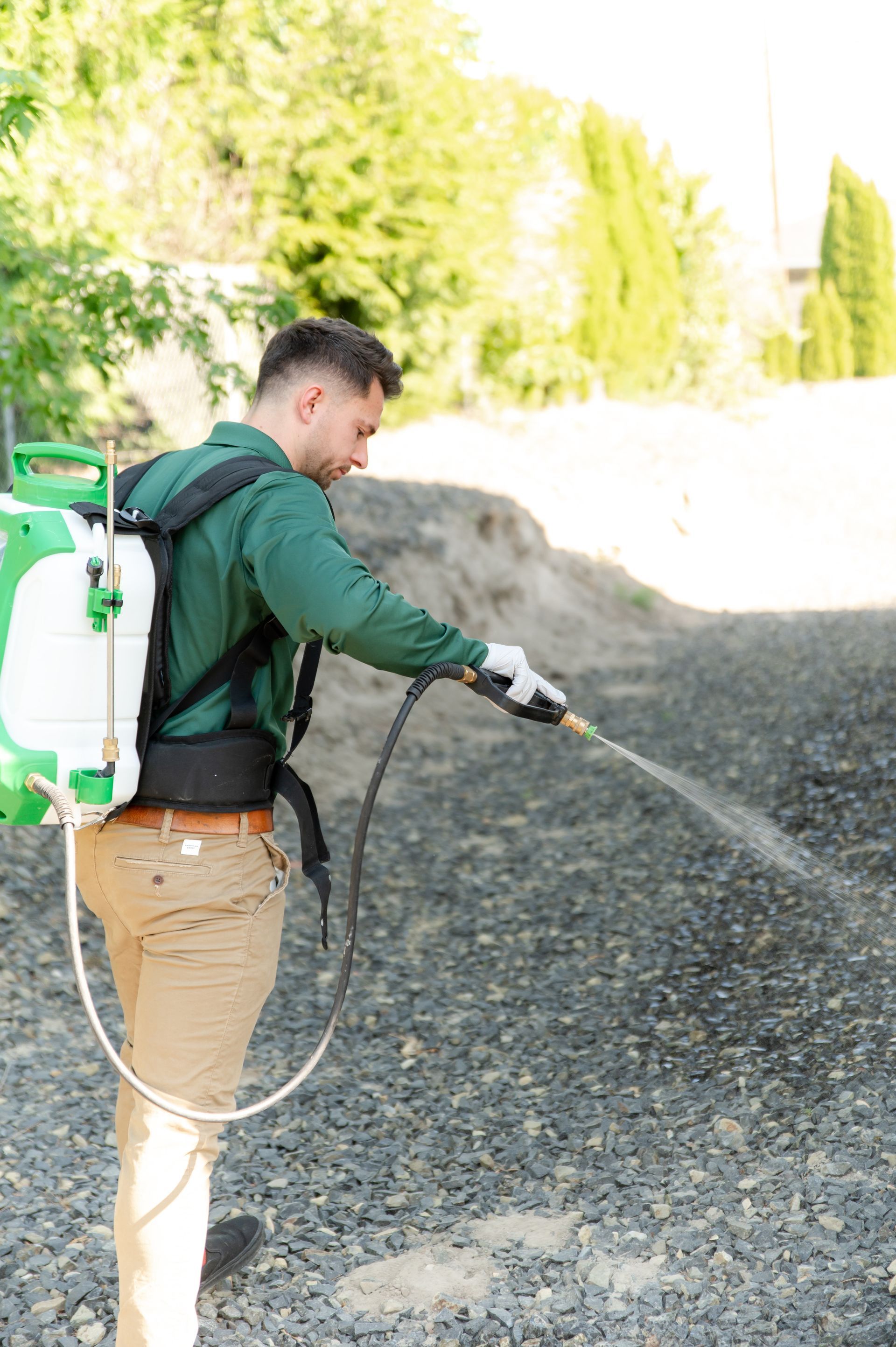
Professional scheduling provides a structured approach that accounts for these variables. It ensures that treatments are applied at the right time, in the right areas, and with the right frequency.
This level of planning reduces uncertainty and helps avoid situations where treatments are either too early or too late. It also supports better long-term control by addressing the factors that allow mosquitoes to return.
While it may seem simple to schedule treatment close to an event, achieving consistent results requires a more detailed approach. Proper timing and preparation work together to create an environment where mosquito activity is minimized.
Plan ahead for a more comfortable gathering
If you are preparing for an outdoor event and want to ensure a more enjoyable experience, expert timing can make all the difference. Reach out to Bamboo Pest Control to coordinate mosquito treatment that aligns with your schedule and delivers reliable results.