Ant Control

October 1, 2021

Ants can be annoying, especially when they get in your house. Since they live in colonies, they will enter your house in large numbers in search of food and shelter. However, ant control methods are possible once you have a basic understanding of ant behavior.

Ants use pheromone trails to mark their routes. The paths are set by the food searchers to direct the worker ants to the food source. To effectively get rid of ants in buildings, you have to wipe off the pheromone scent and kill the queen ant. The queen ants are the hardest to kill because they stay at the hardest to reach places in their mounds.

Below, we will look at different ants found in Utah and the best ant control methods for each of them.

Sugar Ants

As their name suggests, sugar ants like feeding on sweet, sugary stuff. They also feed on greasy foods, protein from other insects, and pollen from plants. They live outdoors but springtime invites them indoors when they need food and water.

Sugar ants have functional receptors and can follow trails from far away. Any cracks and crevices are an opportunity for them to stay in your house because they like warm and dark areas.

The best ant control measures for sugar ants are to lay bait. Bait works the best because it kills even the queen ant once she feeds on it. Bait must be administered in small portions to prevent instant death of the worker ants.

Other sugar ant control methods include pouring bleach down the ants’ mound, sprinkling baking soda in their trails and nest, and also using a garden hose to run water into the mounds.

You can also choose to go organic and  use vinegar  to wipe surfaces that are prone to ant infestations. Coffee grounds and cloves are also good repellents that will keep the ants away from your house. A common powder that is also effective for ant control is diatomaceous earth.

Fire Ants

Fire ants are intruders that sting and can harm people, animals, plants, or buildings. They like warm and sunny areas. When inside buildings, you will find them near areas with electricity lines such as telephone wires, air conditioners or electricity cables.

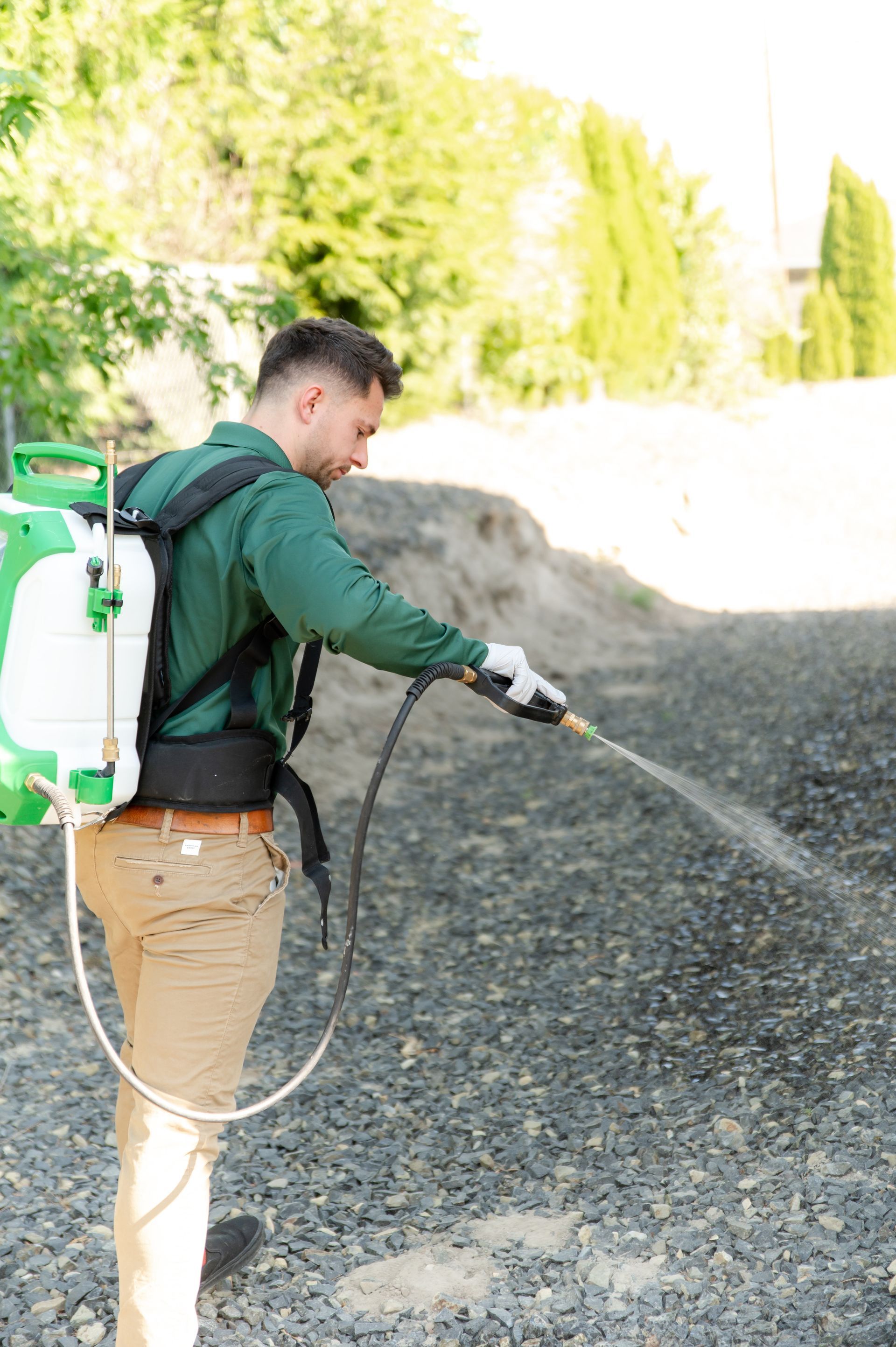
The best way to control fire ants is by using baits that target the queen. Other methods that work well are the drenching of liquid insecticide into and around the outside of the mounds. For greater efficiency, target individual mounds around the compound. You can also use spreaders to ensure that insecticide granules are well spread throughout the area.

Cement Ants

The best way to find the source of cement ants is to look for displaced soil in concrete areas. Once you have noted their source, you can use bait chemicals to get rid of the ants. The baits should be sugar, grease, or protein-based to attract the ants.

Household Ants

Household ants are found around the kitchen counters and floorboards in houses. They invade homes in search of food or warmth during the winter season. They like sweets and any sign of sugary foods is an opportunity for them to invade. It is easy to control household ants because they can be spotted during the day and night. Use slow-acting baits to kill the queen ant or opt for organic repellents like vinegar.

When Ants Are Out of Control

Understanding the common types of ants in  Pleasant Grove, UT  as well as their common behaviors will help in applying the best ant control measures. If infestations get to a level that do-it-yourself techniques do not work,  contact  a professional exterminator in Utah County, namely the ant experts at Bamboo Pest Control.

Don't let ants run your home! Get professional ant control service done right by Bamboo! Our team is trained to remove ants and find spots they could be entering your home. We will help seal and prevent future ants from entering your home.


Don't just get a regular pest control service, call the pros at Bamboo! You should read why so many people love Bamboo and how we help eliminate common pests in homes and yards. Contact us today and get a quote ASAP!

Check Out Some Other Helpful Articles:


The Damage Pests Can Cause On Your Home

Finding Ant Hills Around Sidewalk Cracks

Preventing Pests At The Source

Like this content? Share it!

By Gary Gill May 1, 2026
Outdoor gatherings are meant to be enjoyed, yet mosquito activity can quickly disrupt even the most carefully planned event. Whether it is a backyard celebration, a family gathering, or a seasonal occasion, timing plays a crucial role in maintaining comfort. This is where mosquito treatment becomes an important consideration.  Many homeowners wonder if treatments can be coordinated around specific dates without affecting effectiveness. The answer depends on understanding how mosquito behavior, treatment timing, and environmental conditions work together. When properly planned, treatments can align with events while still delivering reliable results. Mosquito control is not simply about reacting on the day of an event. It involves preparation that begins before guests arrive and continues afterward to maintain a consistent level of protection.
By Gary Gill April 24, 2026
Explore cost-effective, eco-friendly pest control methods that reduce impact while delivering results, and strategies that improve pest control efficiency.
By Gary Gill April 16, 2026
Spring is one of the most active seasons for ants. As temperatures rise and moisture levels increase, ant colonies begin to expand and search for reliable food sources. This shift often leads them directly into homes and structures, where they can quickly establish trails and nesting sites. From a professional perspective, ant prevention during spring is most effective when it is proactive rather than reactive. Waiting until ants become visible often means that colonies are already well established. A structured pest control approach focuses on early detection, targeted treatments, and long-term prevention strategies that address the root cause of activity.
By Gary Gill April 9, 2026
Pest activity does not stay consistent throughout the year. Changes in temperature, moisture, and food availability influence how pests behave, where they hide, and how quickly they multiply. What works in one season may not be enough in another, which is why prevention strategies should evolve rather than remain static.  From an expert perspective, effective pest management is not about reacting to visible problems. It is about anticipating shifts before they escalate. A well-timed pest inspection helps identify early patterns that often go unnoticed, allowing adjustments that keep infestations from gaining momentum.
By Gary Gill April 3, 2026
Mosquitoes can turn a comfortable yard into a space that feels difficult to enjoy. Their presence is not only disruptive, but also persistent. Once they find a suitable environment, they tend to return quickly. That is why mosquito control is less about a single fix and more about combining immediate action with ongoing prevention. For homeowners looking for fast results, the key is understanding how mosquitoes live, where they breed, and what conditions allow them to stay active. A targeted approach can significantly reduce activity in a short period of time, especially when the right areas are addressed first.
By Gary Gill March 27, 2026
Modern pest control is no longer defined by elimination alone. It has shifted toward balance. The goal is to manage pest activity while minimizing unintended effects on surrounding ecosystems, indoor environments, and long-term environmental health.  Eco-friendly pest solutions are designed with that balance in mind. They focus on targeted treatments, reduced chemical exposure, and strategies that align with natural processes rather than disrupt them. When applied correctly, these methods can address pest issues while supporting environmental stability.
By Gary Gill March 20, 2026
Seattle’s environment creates a unique set of conditions that allow pests to thrive throughout the year. Mild temperatures, consistent rainfall, and dense vegetation all contribute to increased pest activity across residential and commercial properties. What may seem like a seasonal concern often becomes an ongoing issue when left unaddressed.  A pest prevention plan is designed to manage these conditions before they lead to active infestations. Rather than reacting to visible problems, it focuses on early detection, consistent monitoring, and targeted intervention. This proactive approach plays a key role in maintaining a stable and protected property.
By Gary Gill March 12, 2026
Spring often brings warmer days, blooming landscapes, and renewed outdoor activity. It also marks a noticeable rise in ant sightings around homes and commercial properties. From kitchen counters to foundation lines, ants seem to reappear almost overnight. This seasonal surge is not random. It is driven by environmental changes and colony behavior that naturally intensify during this time of year. Understanding why ants become more active in spring is the first step toward preventing larger infestations. As pest management professionals, we see a clear pattern each year. Temperature shifts, moisture levels, and colony expansion all contribute to the increased need for proactive ant control.
By Gary Gill March 6, 2026
Mosquito activity can ramp up fast once warmth and moisture become consistent. When bites start piling up, it is common to reach for store-bought sprays, foggers, granules, or backyard gadgets that promise quick relief. Some of those options can reduce nuisance mosquitoes for a short window, but short-term relief is not the same as meaningful control.  From an expert perspective, mosquito management is not just about knocking down adults we see flying near the porch light. Sustainable control hinges on finding breeding sources, reducing favorable conditions, and treating the zones where mosquitoes rest and reproduce. That is where the gap between DIY approaches and professional mosquito control becomes noticeable.
By Gary Gill February 27, 2026
DIY pest kits promise quick answers and fast relief, but pests rarely follow simple patterns. From an expert perspective, the biggest difference between short-term fixes and lasting results comes down to inspection. A professional inspection is designed to uncover where pests are entering, nesting, and spreading, not just where they are visible at the moment. Pests adapt quickly. They hide behind walls, beneath floors, and inside structural voids where store-bought kits cannot evaluate conditions properly. While DIY kits may address surface activity, they often miss the underlying drivers of infestations. Understanding why professional inspection outperforms these kits helps explain why many pest problems return despite repeated attempts.
Show More Blog Posts