What DIY Pest Kits Commonly Miss
DIY pest kits are built around general assumptions. They rely on homeowners to identify the pest, locate activity, and apply products correctly. Unfortunately, pest behavior is rarely that straightforward.
Professionals frequently encounter these gaps after DIY attempts:
- Hidden entry points along foundations, rooflines, or utility penetrations that were never identified.
- Multiple pest species present at the same time, each requiring different strategies.
- Activity occurring behind walls or under flooring where kits provide no visibility.
- Environmental contributors such as moisture or food sources that remain uncorrected.
A professional inspection looks beyond what is obvious. By mapping pest pathways and pressure points, inspections reveal risks that DIY kits are not designed to detect. This difference often explains why activity continues even after repeated applications.
Why Identification Accuracy Changes Everything
Correct identification is the foundation of effective pest management. DIY kits assume the user already knows what pest is present. In reality, many pests look similar but behave very differently.
Professional inspection focuses on:
- Species-level identification using physical evidence, not assumptions.
- Behavior patterns such as nesting habits, travel routes, and feeding preferences.
- Seasonal influences that affect movement and reproduction.
- Structural vulnerabilities specific to the property.
Misidentification leads to mistargeted efforts. For example, treating for surface insects when the real issue is a nesting population inside walls allows damage to continue. The long-term impact of missed or delayed identification is outlined in pest damage risks, which shows how small oversights can escalate into costly repairs over time.
Inspection Reveals Problems Before They Escalate
One of the greatest advantages of professional inspection is timing. Inspections are not just reactive. They are designed to identify conditions that invite pests before infestations become obvious.
Key early warning signs professionals look for include:
- Minor structural gaps that expand with seasonal movement.
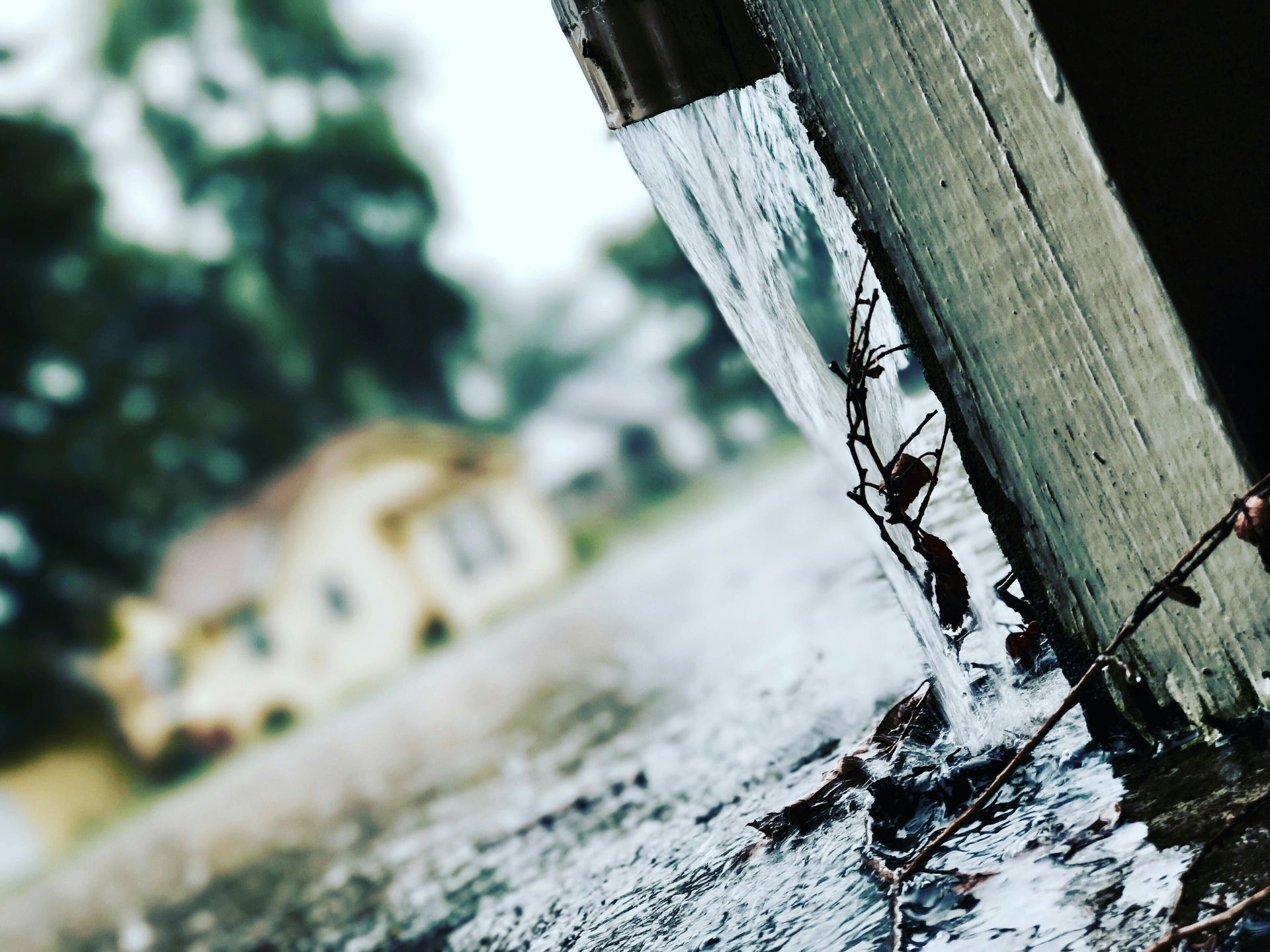
- Moisture accumulation in crawlspaces, basements, or around plumbing.
- Early droppings or debris in low-traffic areas.
- Subtle odors or sounds that suggest nesting activity.
DIY kits typically respond after pests are already active in living spaces. By contrast, inspection-led planning focuses on prevention. The importance of acting before visible signs appear is discussed further in [early pest control], which highlights why waiting often leads to larger problems.
The Limits of One Size Fits All Solutions
DIY pest kits are designed for broad use. They offer generalized instructions and products intended to cover multiple scenarios. Homes, however, are not uniform. Construction style, age, location, and surrounding conditions all influence pest behavior.
Professional inspection accounts for:
- Property-specific risk factors such as landscaping, drainage, and nearby structures.
- Construction details including materials, voids, and ventilation.
- Local pest pressure influenced by climate and season.
- Usage patterns inside the home that affect exposure and access.
This tailored understanding allows treatments to stay focused and efficient. Without inspection, DIY efforts often rely on repeated applications that treat symptoms rather than causes. Over time, this increases frustration while allowing pests to adapt and persist.
Why Professional Inspection Leads to Better Outcomes
Professional inspection is not about using more products. It is about using the right strategy. Inspections create a documented baseline, making it possible to track changes, verify progress, and adjust plans as conditions evolve.
From an expert standpoint, inspection-driven control offers:
- Clear documentation of findings and recommendations.
- Targeted planning that prioritizes high-risk areas.
- Reduced guesswork through evidence-based decisions.
- Long-term stability rather than repeated short-term fixes.
When inspections guide the process, pest management becomes predictable. Problems are addressed at their source, access points are reduced, and future risk is minimized. This approach consistently outperforms DIY kits that lack visibility, precision, and follow-through.
A Smarter First Step Toward Pest Control
Lasting pest control starts with understanding the problem fully. For homeowners seeking clarity instead of trial and error, a professional inspection provides the insight DIY kits cannot. Contact Bamboo Pest Control to begin with an inspection focused on accuracy, prevention, and long-term results.