How Effective Are DIY Mosquito Treatments Compared to Professional Ones?

March 6, 2026

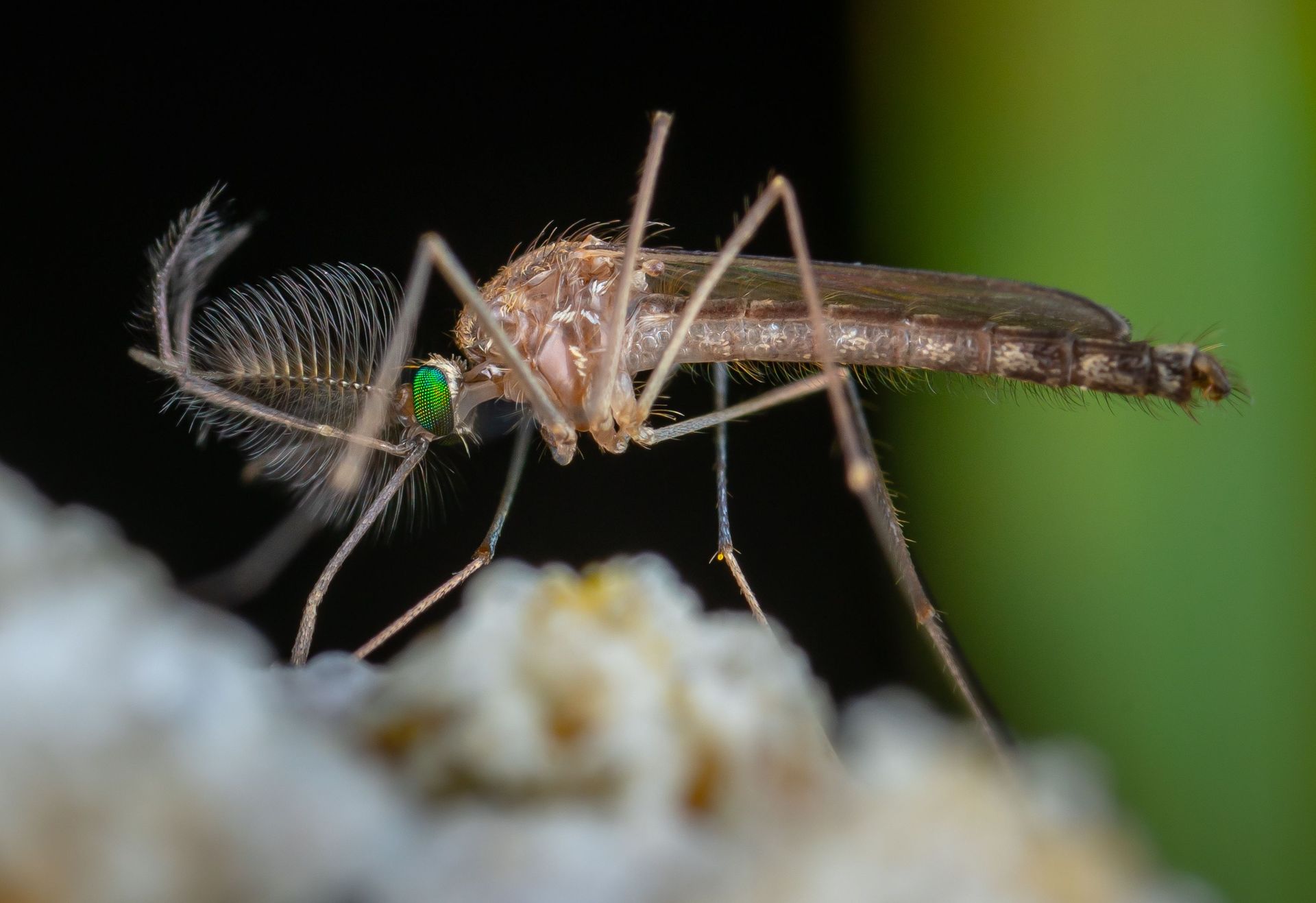
Mosquito activity can ramp up fast once warmth and moisture become consistent. When bites start piling up, it is common to reach for store-bought sprays, foggers, granules, or backyard gadgets that promise quick relief. Some of those options can reduce nuisance mosquitoes for a short window, but short-term relief is not the same as meaningful control.


From an expert perspective, mosquito management is not just about knocking down adults we see flying near the porch light. Sustainable control hinges on finding breeding sources, reducing favorable conditions, and treating the zones where mosquitoes rest and reproduce. That is where the gap between DIY approaches and professional mosquito control becomes noticeable.


What DIY Mosquito Treatments Typically Involve

DIY solutions are designed for convenience and immediate use. Many products can help temporarily, especially when mosquito pressure is light and breeding sources are minimal.


  • Aerosol and pump sprays intended to kill adult mosquitoes on contact.
  • Yard foggers that disperse product into the air for quick knockdown.
  • Granular or hose-end treatments applied to lawns and landscape edges.
  • Repellent devices and candles that help around small, localized areas.
  • Traps that can capture some adults but rarely reduce a population alone.


The biggest limitation is that most DIY routines focus on what is easiest to see and treat: open air and exposed surfaces. Mosquitoes, however, spend much of the day resting in shaded vegetation, under decks, and along humid fence lines. If treatments do not reach those areas consistently, activity can return quickly even when the yard initially feels calmer.


DIY methods also vary widely in application quality. Two homes can use the same product and get very different outcomes simply because of coverage gaps, timing, and weather conditions.

Why Mosquito Populations Return After DIY Efforts

A quick rebound does not always mean a product failed. Often, it means mosquitoes were never fully interrupted at the source.

Mosquitoes lay eggs in standing water, and standing water is not always obvious. It can hide in clogged gutters, flowerpot saucers, tarp folds, kids’ toys, drainage dips, plant axils, and even shaded corners where irrigation oversaturates soil. Once eggs hatch, larvae develop fast under warm conditions, then new adults emerge and restart the cycle.


Another reason DIY results fade is that adult mosquitoes can drift in from nearby areas. Even if one property is treated, mosquitoes from adjacent yards, greenbelts, or water features can reintroduce pressure. That is why lasting control requires more than periodic spraying. It requires a plan that accounts for breeding sites, harborage areas, and the property’s unique moisture patterns.

This is also why inspection quality matters so much. When we want to understand why you should not DIY pest treatments, the core issue is usually not effort. It is that hidden sources are easy to miss without a structured process.

What Professional Mosquito Control Does Differently

Professional mosquito control is built around inspection, targeted treatment, and follow-up based on mosquito biology and property conditions. The goal is to reduce bites today and also suppress the next wave before it starts.


  • A property walkthrough to identify breeding water, shaded resting zones, and entry patterns.
  • Source reduction guidance, including where moisture is accumulating and why.
  • Targeted applications to mosquito resting sites such as dense shrubs, under-deck zones, and humid perimeter lines.
  • Use of larvicide strategies when appropriate and permitted, focused on active water sources.
  • Scheduled follow-ups timed to mosquito life cycles and seasonal pressure.


The difference is not only in the products. It is the strategy. Professionals treat where mosquitoes live and rest, not only where we notice them. They also adapt the approach as conditions shift, such as rainy periods, heat spikes, irrigation changes, and growth cycles in landscaping.


A strong program begins with a true professional pest inspection mindset, even when the target is mosquitoes. That means reading the property like a system: water sources, shade, airflow, foliage density, and human use patterns.

Comparing Duration of Results and Overall Efficiency

When homeowners compare DIY attempts to professional mosquito control, duration is usually the first obvious difference. But efficiency is just as important.


  • DIY treatments often produce short-lived relief, especially after wind, heat, or rain.
  • Foggers can disperse unevenly outdoors and may miss resting areas in vegetation.
  • Professional applications focus on consistent coverage of known mosquito zones.
  • Treatment intervals are planned around life cycles and seasonal pressure, not guesswork.
  • Follow-up adjustments address new water sources, changed irrigation patterns, and growth in landscaping.


The weather is a major variable. Rain can dilute or wash off certain applications. Wind can prevent good coverage. Heat can accelerate breeding. When a plan accounts for those factors, results become more predictable.

Efficiency also includes the time and repetition factor. Many DIY approaches require frequent reapplication and still may not reduce the population meaningfully if breeding continues. A professional plan aims to reduce the need for constant reaction by lowering the overall pressure in and around the yard.

When Professional Support Becomes the Practical Choice

DIY approaches can sometimes help when mosquito activity is mild and breeding sources are minimal. But when bites continue, or when activity returns quickly after each attempt, it is usually a sign that the problem is anchored in conditions that are not being addressed.


Professional service tends to be the practical choice when mosquito pressure interferes with normal outdoor use, when there is dense landscaping that creates cool resting pockets, when water sources are hard to locate, or when nearby environmental factors consistently reintroduce mosquitoes. It is also a smart step when household priorities include minimizing exposure concerns while still achieving reliable control.


The most important shift is moving from symptom control to source control. That is what creates lasting improvement. With a structured inspection, targeted treatment, and follow-up timing, results are typically more consistent than repeated retail applications aimed only at the visible problem.

A Smarter Path to Fewer Bites

If mosquito activity keeps coming back, a structured plan can improve comfort outdoors and reduce repeat flare-ups. For expert help, contact Bamboo Pest Control.

Like this content? Share it!

By Gary Gill February 27, 2026
DIY pest kits promise quick answers and fast relief, but pests rarely follow simple patterns. From an expert perspective, the biggest difference between short-term fixes and lasting results comes down to inspection. A professional inspection is designed to uncover where pests are entering, nesting, and spreading, not just where they are visible at the moment. Pests adapt quickly. They hide behind walls, beneath floors, and inside structural voids where store-bought kits cannot evaluate conditions properly. While DIY kits may address surface activity, they often miss the underlying drivers of infestations. Understanding why professional inspection outperforms these kits helps explain why many pest problems return despite repeated attempts.
By Gary Gill February 20, 2026
As winter ends, rising moisture drives rodents indoors. Learn how damp conditions increase activity, warning signs to watch for, and why timing matters.
By Gary Gill February 12, 2026
How Spring Rains Disrupt Ant Colonies Ants rely on underground networks that are highly sensitive to moisture levels. Prolonged or heavy spring rains can flood nesting sites, collapse tunnels, and displace workers and queens. When that happens, colonies are forced to relocate or expand their foraging range. Key effects of spring rainfall on ant behavior include: Flooded nests that push ants to seek higher, drier ground. Soil saturation that makes it easier for ants to tunnel toward foundations. Increased humidity that supports faster colony growth. Disrupted food sources outdoors that send ants searching indoors. These shifts explain why ants often appear in kitchens, bathrooms, and basements shortly after consistent rain. Homes offer stable temperatures, dry shelter, and reliable access to food and water. Without addressing the source of the pressure, ant control becomes an ongoing challenge throughout the season. Why Homes Become Prime Targets After Rain Residential structures unintentionally provide everything ants need once outdoor conditions become unstable. Small gaps, moisture sources, and food residue create ideal conditions for exploration and trail formation. Professionals often observe the following risk factors: Foundation cracks and expansion joints that allow easy entry. Plumbing penetrations and utility lines that act as ant highways. Moisture buildup indoors from leaks, condensation, or poor ventilation. Accessible food sources such as crumbs, pet bowls, and trash areas. Once a few ants locate a suitable environment, chemical trails quickly attract more workers. This is why infestations seem to escalate overnight. Effective ant control depends on interrupting this process, not just reacting to visible ants. The Types of Ants Most Active in Spring Not all ants behave the same way. Spring conditions activate several species at once, each with different nesting habits and risks. Correct identification matters because treatment strategies vary based on species behavior. Common spring active ants include: Odorous house ants that form long indoor trails toward food and moisture. Pavement ants that nest under slabs and migrate indoors during rain. Carpenter ants that exploit damp or damaged wood. Moisture ants that thrive in high-humidity areas. A closer look at regional species, including those frequently found in residential areas, is outlined in common ant species . Understanding which ants are present helps explain why some infestations persist despite repeated cleaning or surface treatments. Why Seasonal Ant Problems Rarely Resolve on Their Own Many homeowners assume ant activity will subside once the weather stabilizes. In reality, spring rain often sets the stage for long-term issues. Colonies that successfully establish indoor foraging routes may remain active well into summer. Several factors contribute to ongoing infestations: Satellite nesting where colonies split and spread into walls or voids. Reinforced scent trails that remain active even after rain stops. Unaddressed exterior conditions that continue to support colonies. Lack of monitoring that allows populations to rebuild unnoticed. Ant control is most effective when it accounts for these long-term behaviors. Simply waiting out the season often results in recurring activity and expanding infestations that become harder to manage over time. Why Professional Ant Control Is Built Around Timing and Strategy Spring is not just a busy season for ants. It is a critical window for control. Professionals focus on timing, inspection, and targeted strategies that interrupt colony growth rather than chasing individual ants. From an expert standpoint, effective ant control includes: Identifying nesting zones both indoors and outdoors. Targeting colonies at their source instead of relying on surface treatments. Addressing moisture and access points that attract ants after rainfall. Monitoring activity patterns to adjust treatments as conditions change. Residential environments require a measured approach that balances effectiveness and safety. Guidance from experienced professionals helps ensure that treatments remain precise, efficient, and aligned with the realities of seasonal pest pressure. A broader view of how residential pest management works across different regions can be found in residential pest experts , which highlights the importance of structured planning rather than reactive responses. Spring rains may trigger ant activity, but lasting solutions depend on understanding why ants move, where they settle, and how colonies adapt. When these factors are addressed together, control efforts become more predictable and sustainable. A Smarter Way To Stay Ahead Of Ant Season Spring ant activity is rarely random. It follows patterns shaped by moisture, shelter, and opportunity. For homeowners looking to stay ahead of seasonal infestations, professional insight makes a meaningful difference. Contact Bamboo Pest Control to explore ant control solutions designed around timing, precision, and long-term protection.
By Gary Gill February 6, 2026
Signs of Active and Past Pest Activity One of the primary objectives of a pest inspection is to identify evidence that indicates current or previous pest presence. These signs are not always obvious and often appear in subtle forms that require trained observation. Physical evidence such as droppings, shed wings, gnaw marks, or insect trails, that signal active or recent activity Structural indicators, including damaged wood, hollow-sounding areas, or surface staining caused by pests or moisture Nest or harboring materials found in wall voids, attics, crawl spaces, or storage areas Odors or residue that suggest long-term pest presence, especially in enclosed or poorly ventilated areas Professionals distinguish between old, inactive signs and indicators of ongoing activity. This distinction matters because it affects the urgency, scope, and type of response required. For example, ant activity patterns vary significantly by species, behavior, and season. Understanding these differences allows inspections to focus on likely nesting zones rather than surface-level sightings alone, as discussed in this overview of common local ants . Structural Features and Entry Points Under Review Beyond visible pest evidence, pest inspections place strong emphasis on how pests may be entering or moving through a structure. Many infestations begin outside and progress indoors through small, overlooked access points. Cracks, gaps, and expansion joints around foundations, siding, and utility penetrations Doors and windows with damaged seals, worn thresholds, or misalignment Rooflines and vents that allow access to attics or upper wall cavities Plumbing and electrical entry points that connect exterior environments to interior spaces Inspectors evaluate these features in relation to pest behavior. Rodents, insects, and spiders exploit different types of openings, and even small gaps can provide sufficient access. A professional pest inspection considers how entry points align with travel paths, moisture sources, and nesting areas, rather than treating each opening in isolation. Environmental Conditions That Attract Pests Environmental factors often play a decisive role in pest activity. Pest inspections assess the conditions surrounding a structure that may support or encourage infestations over time. Moisture sources such as poor drainage, leaking fixtures, or condensation, support insect survival Vegetation and landscaping that create shaded, damp zones close to structures Debris and storage practices that provide shelter and nesting opportunities Soil contact and grading issues that allow pests direct access to structural materials These conditions may not cause immediate problems but can steadily increase risk if left unaddressed. Professional inspections evaluate how environmental factors interact with the structure itself. This approach helps explain why certain properties experience recurring pest issues while others do not, even within the same neighborhood. Species Identification and Behavior Assessment Correctly identifying pest species is a critical part of any pest inspection. Different pests require different management strategies, and misidentification can lead to ineffective outcomes. Professionals rely on physical characteristics, activity patterns, and environmental clues to determine species and behavior. Species identification also involves understanding life cycles, nesting preferences, and seasonal movement. For example, some insects are more visible during specific times of year, while others remain hidden until conditions shift. Inspectors assess whether activity is localized or widespread and whether populations are likely to expand without intervention. This level of analysis is especially important in residential environments where multiple pest pressures may exist at the same time. Professional assessments help clarify which issues pose immediate risk and which require monitoring. Broader considerations about service planning and long-term protection are discussed in this resource on professional pest services , which highlights the value of structured expertise in residential settings. Documentation, Risk Evaluation, and Professional Judgment The final phase of a pest inspection involves documentation and interpretation. Findings are recorded to establish a clear picture of current conditions, risk factors, and potential progression. This documentation supports informed decision-making rather than reactive responses. Professional judgment plays a key role at this stage. Inspectors weigh the severity of findings, the likelihood of future activity, and the interaction between environmental and structural factors. Recommendations are based on evidence, patterns, and experience rather than assumptions. This approach helps prioritize actions and avoid unnecessary or ineffective measures. A thorough pest inspection is not a one-size-fits-all checklist. It is a tailored evaluation shaped by property type, location, construction, and surrounding conditions. Professional insight ensures that conclusions are grounded in practical understanding rather than surface observations. A Clearer Path to Confident Decisions For those seeking clarity and accuracy from a professional pest inspection, experienced guidance makes a meaningful difference. Contact Bamboo Pest Control to schedule an inspection grounded in careful evaluation and informed expertise.
By Ryan Hill April 16, 2025
Here Are The Most Common Ants You'll Encounter in Kirkland, WA
By Jason Valasek January 4, 2023
Dandelions can attract a variety of insects, including bees, butterflies, and beetles, which are attracted to the bright yellow flowers and the sweet, nectar-like substance they produce.
By Support Team November 8, 2022
This article covers everything you should know when choosing a pest control company in Fort Wayne, Indiana (near me) to protect your home and business against unwanted pests. Frequently Asked Questions – People in Fort Wayne, IN Also Ask Below are the most commonly asked questions by home & business owners in Fort Wayne and
By augustrmarketing April 21, 2022
The post Only A Few Spots Left appeared first on Bamboo Pest Control.
By augustrmarketing April 10, 2022
A construction site near you will likely affect your pest control needs. This is because construction sights disrupt the existing homes for most pests. In search of new surroundings for food and shelter, they can find their way into your home. Eradicating pests before the start of construction or creating a barrier around your home
By augustrmarketing April 10, 2022
Knowing the type of rodent you are dealing with is the first step to safe eradication. Voles and mice have an almost similar appearance, but a closer look at their features will reveal a difference in their look. They also have different behavior and habitat preferences making them differ in their adaptation to different environments.
Show More Blog Posts