Eliminate Breeding Sources for Immediate Impact
The fastest way to reduce mosquito activity is to disrupt their breeding cycle. Mosquitoes rely on standing water to lay eggs, and even small amounts can support large populations.
- Remove standing water from containers, gutters, and low spots
- Empty Birdbaths and plant saucers regularly
- Check Drainage areas for hidden water buildup
- Maintain pools and water features to prevent stagnation
These steps can produce noticeable results quickly because they stop new mosquitoes from developing. Without breeding sites, the population begins to decline. However, eliminating water alone may not address adult mosquitoes that are already active in the yard.
That is why combining source reduction with targeted treatment often leads to faster and more reliable results.
Target Resting Areas Where Mosquitoes Hide
Adult mosquitoes do not spend all their time flying. During the day, they rest in shaded, protected areas where humidity levels are higher. Treating these zones is essential for reducing active populations.
- Focus on dense shrubs and low vegetation
- Treat under decks and shaded corners
- Inspect fences and exterior walls for resting spots
- Address leaf litter and overgrown landscaping
By targeting these areas, treatments reach mosquitoes where they are most likely to be found. This increases effectiveness and reduces the time it takes to notice improvement.
A well-planned approach does not rely on spraying open spaces alone. It focuses on the environments that support mosquito survival throughout the day.
Use Targeted Mosquito Control Treatments
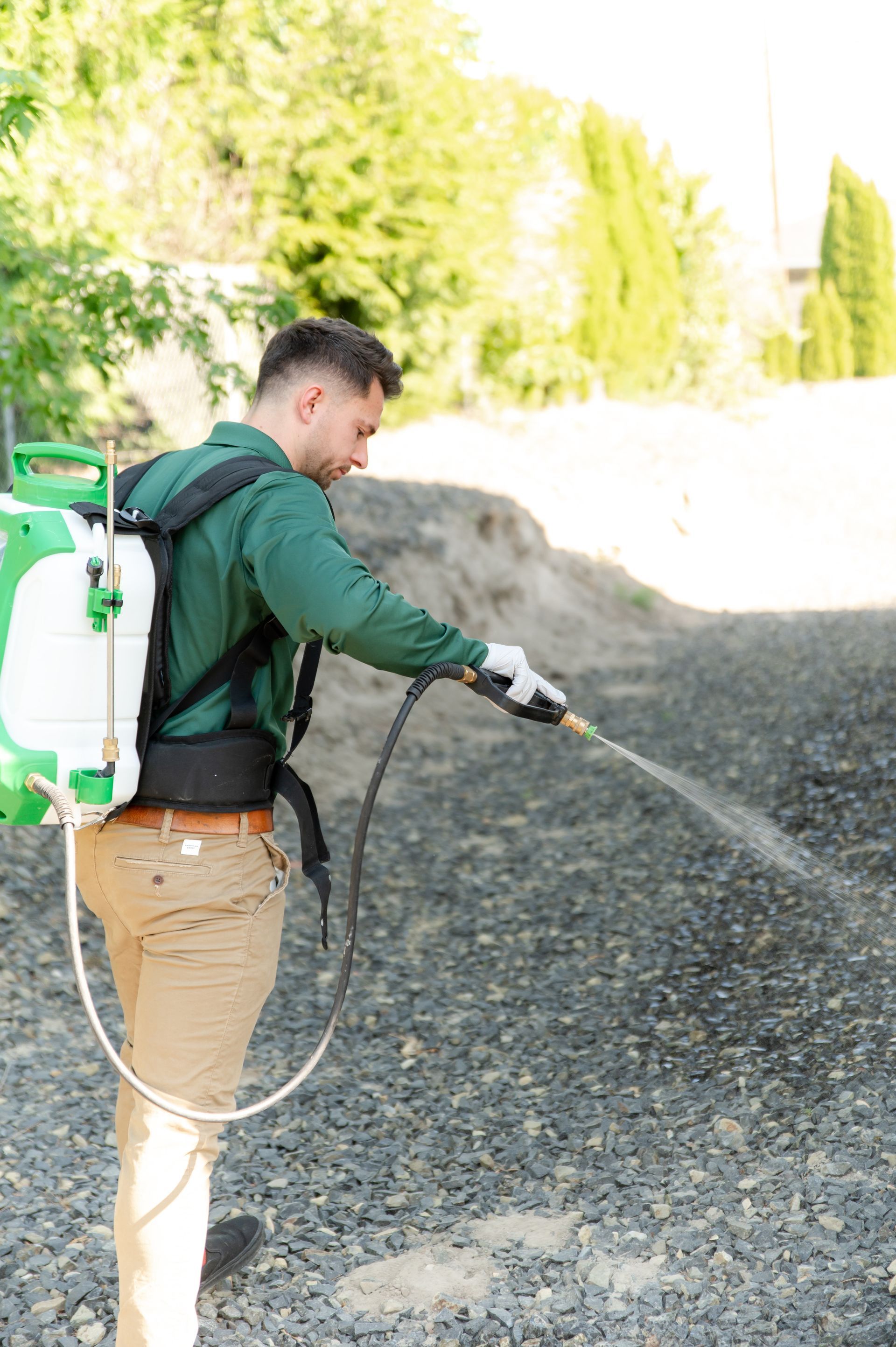
Professional mosquito control treatments are designed to provide faster results by addressing both active mosquitoes and future activity. These treatments are applied strategically to maximize coverage without unnecessary exposure.
- Barrier Treatments create a protective zone around the yard
- Larvicide Applications target developing mosquitoes in water sources
- Residual Products
continue working after application
- Timed Applications align with peak mosquito activity
These methods work together to reduce current populations while limiting new growth. The effectiveness of this approach is tied to precision and timing, which is why proper application plays a key role.
Some homeowners consider alternative solutions, but understanding how different approaches compare can provide a useful perspective. This overview of DIY vs professional results explains why targeted service often delivers more consistent outcomes.
Environmental Factors That Affect Mosquito Activity
Mosquito activity is heavily influenced by environmental conditions. Even with treatment, certain factors can support ongoing activity if not managed properly.
Warm temperatures, high humidity, and shaded areas all contribute to mosquito survival. Yards with dense landscaping, poor drainage, or nearby water sources tend to experience higher activity levels.
Rainfall also plays a role. After heavy rain, new breeding sites can form quickly, allowing mosquito populations to rebound if not addressed. This is why monitoring conditions throughout the season is important.
Some treatment approaches also consider environmental impact. Choosing methods that balance effectiveness with environmental awareness can support long-term results. This discussion on the eco-impact of treatments highlights how different solutions interact with the surrounding environment.
Why Speed and Consistency Work Together
Many people focus on speed when dealing with mosquitoes, but long-term control depends on consistency. Fast results are important, especially when mosquito activity is already high, but maintaining those results requires follow-up and prevention.
- Immediate Reduction comes from targeted treatment and source control
- Ongoing Monitoring helps identify new breeding areas early
- Seasonal Adjustments respond to changing weather conditions
- Preventive Care reduces the likelihood of recurring infestations
Without consistent attention, mosquito populations can recover quickly. This is because their life cycle allows them to reproduce rapidly under the right conditions.
A structured approach that combines quick action with routine care provides a more reliable solution. It reduces the need for repeated reactive treatments and helps maintain a more comfortable outdoor environment over time.
Take back control of your outdoor space
The fastest way to reduce mosquitoes in your yard is to combine immediate action with a targeted plan that addresses both current activity and future breeding. By focusing on key areas and applying treatments with precision, noticeable improvement can happen quickly.
For homeowners looking for a more dependable and efficient approach, professional support can help ensure that each step is handled correctly. Reach out to Bamboo Pest Control to explore solutions designed to keep your yard more comfortable.