Why Moisture Disrupts Outdoor Rodent Habitats
Rodents build nests in soil, vegetation, and structural voids that provide insulation during colder months. As winter ends, moisture becomes a destabilizing force. Snowmelt saturates the ground, rain fills burrows, and drainage patterns shift around foundations.
Professionals frequently observe these moisture-related pressures:
- Flooded burrows that force rodents to abandon established nesting sites.
- Softened soil that makes it easier to tunnel toward buildings.
- Reduced food availability outdoors as stored supplies spoil or wash away.
- Increased exposure to predators when cover becomes unstable.
These factors push rodents to seek higher, drier ground. Homes offer warmth, shelter, and consistent access to food and water. Without addressing these environmental drivers, rodent control efforts often lag behind the actual cause of the activity.
How Homes Become Moisture Safe Havens
Residential structures unintentionally provide ideal conditions once outdoor moisture rises. Small openings and sheltered voids allow rodents to enter and remain protected from weather changes.
Common indoor and exterior attractants include:
- Foundation gaps and utility penetrations that stay dry year-round.
- Basements and crawlspaces with poor ventilation or lingering dampness.
- Garages and storage areas where food and nesting materials are accessible.
- Wall voids and insulation that offer warmth and concealment.
Once rodents locate these spaces, they often establish nests quickly. Moisture also supports the survival of scent trails, which makes reentry easier even after conditions outside improve. Effective rodent control depends on identifying and correcting these access points rather than focusing only on visible activity.
Differentiating Rodent Activity After Winter
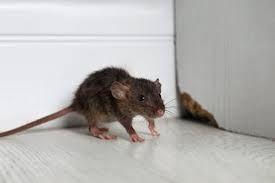
Not all rodents behave the same way, and moisture affects species differently. Accurate identification matters because mice, voles, and other rodents follow distinct movement and nesting patterns as winter ends.
Professionals look for these distinguishing signs:
- Runways and surface trails often linked to voles moving through saturated lawns.
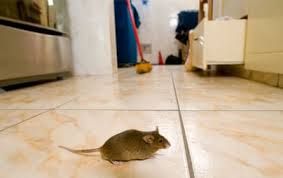
- Gnaw marks and droppings indoors that suggest mice relocating from damp exterior nests.
- Burrow openings near foundations exposed by melting snow.
- Chewed insulation or stored items indicating established indoor nesting.
Understanding these differences helps clarify the source of activity. A closer look at how species compare is outlined in voles vs mice, which explains why treatment strategies must match the specific rodent involved.
Why Early Signs Are Often Missed
Rodent activity tied to moisture does not always present obvious warning signs at first. As winter ends, rodents may move indoors quietly, using wall voids and rarely visited areas before activity becomes noticeable.
Several factors contribute to delayed detection:
- Minimal noise early on while rodents establish nests.
- Droppings hidden in storage or utility areas rather than open spaces.
- Gradual damage progression that goes unnoticed until populations grow.
- Seasonal assumptions that activity will stop once weather improves.
Knowing what to watch for makes a difference. Early indicators of an indoor infestation are detailed in mouse problem signs, which highlights subtle clues that often appear before activity escalates. Addressing these signs early helps prevent larger issues later in the season.
Why Moisture Focused Planning Improves Rodent Control
Rodent control works best when moisture, access, and behavior are addressed together. Treating symptoms without correcting conditions often leads to repeat activity as rodents continue searching for stable shelter.
From a professional standpoint, effective planning includes:
- Evaluating moisture sources around foundations, crawlspaces, and landscaping.
- Identifying entry points created or exposed by seasonal ground movement.
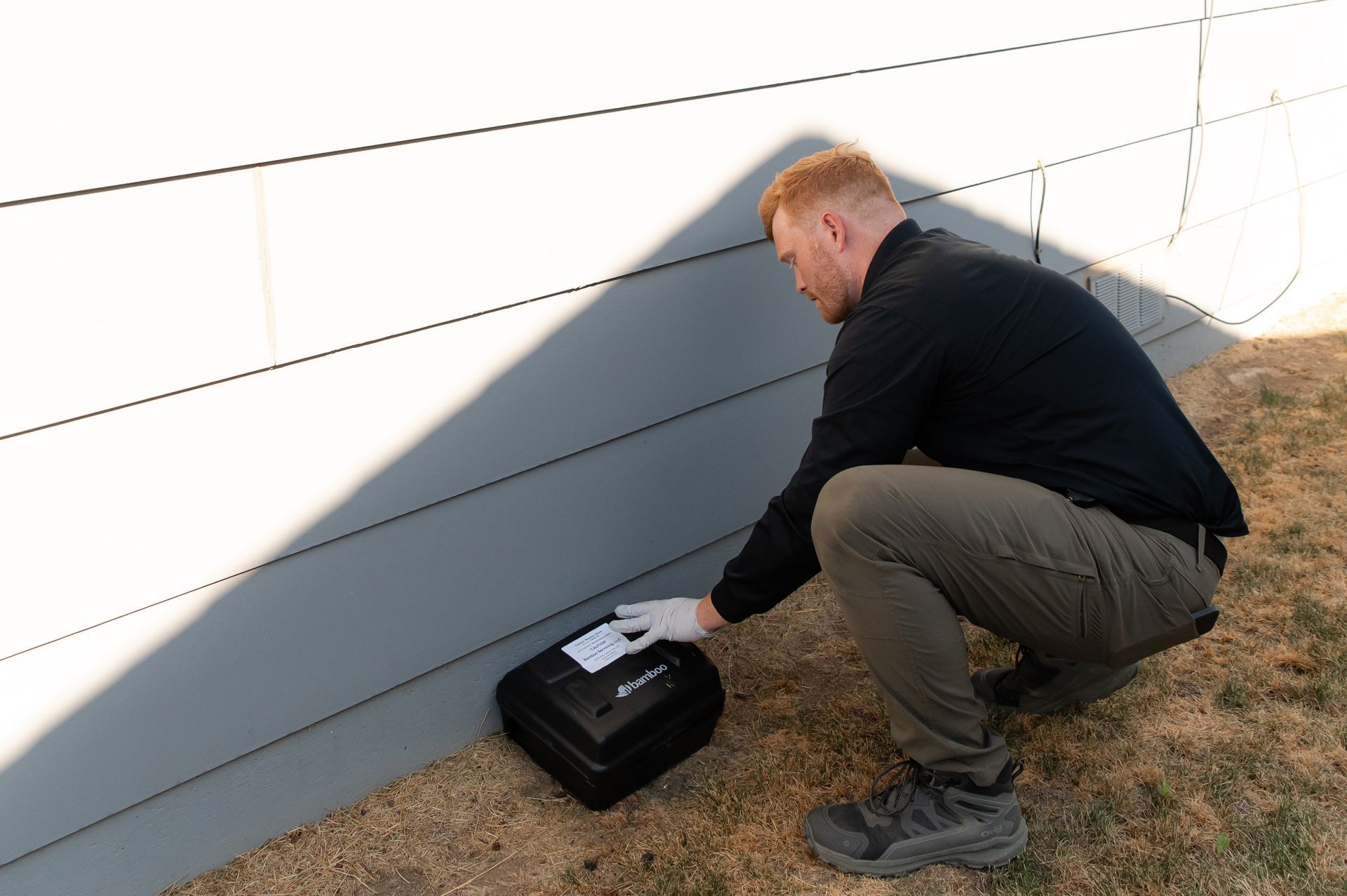
- Targeting nesting areas rather than relying on surface-level responses.
- Monitoring changes over time as weather patterns stabilize.
This structured approach reduces reliance on short-term fixes and supports long-term stability. As moisture levels normalize, rodents that fail to gain indoor access are less likely to remain active near the structure. Rodent control becomes more predictable when timing and environmental factors are part of the strategy.
Getting Ahead Of Seasonal Rodent Pressure
Moisture-driven rodent movement is a predictable part of the transition from winter to spring. Homes that address conditions early are better positioned to avoid prolonged infestations. For homeowners seeking informed guidance and effective planning, professional support offers clarity and efficiency. Contact Bamboo Pest Control to discuss rodent control strategies built around seasonal behavior and long-term protection.