How To Prepare Your Home For Professional Pest Control

May 7, 2026

Preparing your home for professional pest control is one of the most important steps in achieving effective and lasting results. While treatment methods are designed to target pests such as ants, spiders, cockroaches, rodents, and other common intruders, the condition of the home plays a major role in how well those treatments perform.


Pests rarely remain in open areas. They hide in corners, behind furniture, inside cabinets, and along structural gaps that are easy to overlook. Proper preparation allows treatments to reach these hidden spaces, improving coverage and reducing the likelihood of recurring activity.


A well-prepared home also supports safety and efficiency. When surfaces are accessible and conditions are controlled, the entire process becomes more precise. Understanding what to do before a scheduled visit helps ensure that pest control delivers the results it is designed to achieve.


Creating Access To Hidden Areas

Access is essential for effective pest control. Many pests travel along edges and remain close to concealed spaces, making it necessary to expose these areas before treatment begins.


Focus on these preparation steps:

  • Move furniture slightly away from the walls to expose the baseboards
  • Clear items from under sinks and inside cabinets
  • Remove clutter from floors, closets, and storage spaces
  • Provide access behind appliances such as stoves and refrigerators


These actions allow treatments to reach areas where pests are most active. When access is limited, certain pathways may remain untreated, allowing pests to continue moving throughout the home.


Clearing space also helps identify signs of activity that may not have been visible before. This additional visibility supports a more thorough and accurate treatment process.

Cleaning To Support Better Treatment Results

A clean environment improves how pest control treatments perform. While cleaning does not eliminate pests on its own, it removes barriers that can interfere with treatment effectiveness.


Before the scheduled service, consider the following:

  • Vacuum carpets and floors to remove crumbs and debris
  • Wipe down kitchen surfaces to eliminate grease and residue
  • Take out trash and reduce exposed food sources
  • Store pantry items in sealed containers


These steps help reduce the conditions that attract pests. When food and residue are minimized, pests are more likely to encounter treated areas instead of alternative sources.


Cleaning also ensures that products are applied to surfaces that are not obstructed by buildup. This improves coverage and allows treatments to work as intended.


For insight into how professionals assess conditions before treatment, our resource on the inspection process details how preparation supports a more accurate evaluation.

Preparing Pets And Household Members

Safety is an important part of any pest control process. Preparing pets and household members ensures that treatment can be carried out without unnecessary disruption or risk.


Important steps include:

  • Relocate pets to a safe area during treatment
  • Remove pet food, water bowls, and toys from treated spaces
  • Cover or temporarily move aquariums if necessary
  • Plan for temporary absence if advised for specific treatments


Different pest control methods may require specific precautions. Clear communication helps ensure that everyone in the home understands what to expect and how to prepare.


Pets are especially sensitive to environmental changes. Taking proactive steps helps maintain their comfort while allowing treatments to proceed effectively.

Understanding What Happens During And After Treatment

Knowing what to expect during and after pest control helps homeowners maintain results. Preparation does not end once treatment begins. Following guidance after the service is equally important.


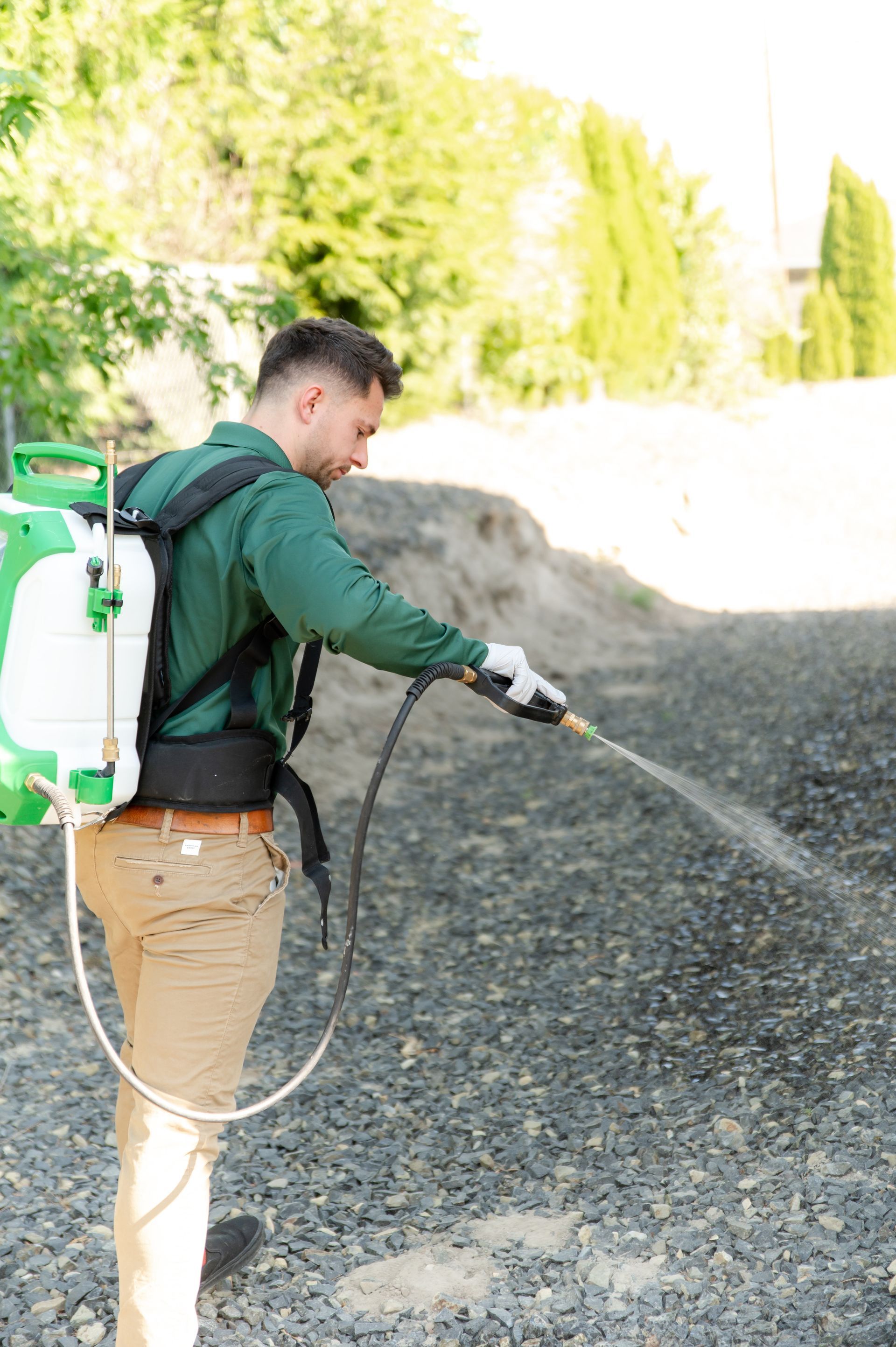
During treatment, technicians apply products to areas where pests are active. This may include interior spaces, exterior perimeters, and entry points.


After treatment, homeowners should:

  • Allow recommended time before reentering treated areas
  • Avoid cleaning treated surfaces immediately
  • Monitor pest activity to track changes over time
  • Follow any specific instructions provided


These steps help preserve the effectiveness of the treatment. Cleaning too soon or ignoring recommendations can reduce results and allow pests to return.


Understanding this process helps homeowners support long-term pest control rather than focusing only on the initial visit.

For those exploring service options, our article on local pest service options provides additional context on what to expect when choosing professional care.

Why Preparation Influences Long-Term Results

Preparation is more than a checklist. It directly affects how successful pest control will be. When a home is properly prepared, treatments can be applied more precisely and reach the areas where pests are most active.


Without preparation, hidden infestations may remain untouched. This can lead to continued activity and the need for additional treatments. Small details, such as clearing a cabinet or sealing food, can make a significant difference in overall results.


Pest control works best as a coordinated process. Preparation, treatment, and follow-up all contribute to a more stable and controlled environment. Each step supports the next, creating a system that addresses both current activity and future prevention.

Professional pest control is designed to identify underlying conditions, not just visible pests. Proper preparation helps reveal these conditions and ensures that they are addressed effectively.


Consistency is key. Maintaining preparation habits even after treatment helps reinforce results and reduces the likelihood of recurring issues.

Set the stage for lasting results

If you are preparing for pest control and want to ensure the best possible outcome, expert guidance can make the process more effective. Reach out to Bamboo Pest Control to approach pest control with clarity, safety, and long-term confidence.

Like this content? Share it!

By Gary Gill May 1, 2026
Outdoor gatherings are meant to be enjoyed, yet mosquito activity can quickly disrupt even the most carefully planned event. Whether it is a backyard celebration, a family gathering, or a seasonal occasion, timing plays a crucial role in maintaining comfort. This is where mosquito treatment becomes an important consideration.  Many homeowners wonder if treatments can be coordinated around specific dates without affecting effectiveness. The answer depends on understanding how mosquito behavior, treatment timing, and environmental conditions work together. When properly planned, treatments can align with events while still delivering reliable results. Mosquito control is not simply about reacting on the day of an event. It involves preparation that begins before guests arrive and continues afterward to maintain a consistent level of protection.
By Gary Gill April 24, 2026
Explore cost-effective, eco-friendly pest control methods that reduce impact while delivering results, and strategies that improve pest control efficiency.
By Gary Gill April 16, 2026
Spring is one of the most active seasons for ants. As temperatures rise and moisture levels increase, ant colonies begin to expand and search for reliable food sources. This shift often leads them directly into homes and structures, where they can quickly establish trails and nesting sites. From a professional perspective, ant prevention during spring is most effective when it is proactive rather than reactive. Waiting until ants become visible often means that colonies are already well established. A structured pest control approach focuses on early detection, targeted treatments, and long-term prevention strategies that address the root cause of activity.
By Gary Gill April 9, 2026
Pest activity does not stay consistent throughout the year. Changes in temperature, moisture, and food availability influence how pests behave, where they hide, and how quickly they multiply. What works in one season may not be enough in another, which is why prevention strategies should evolve rather than remain static.  From an expert perspective, effective pest management is not about reacting to visible problems. It is about anticipating shifts before they escalate. A well-timed pest inspection helps identify early patterns that often go unnoticed, allowing adjustments that keep infestations from gaining momentum.
By Gary Gill April 3, 2026
Mosquitoes can turn a comfortable yard into a space that feels difficult to enjoy. Their presence is not only disruptive, but also persistent. Once they find a suitable environment, they tend to return quickly. That is why mosquito control is less about a single fix and more about combining immediate action with ongoing prevention. For homeowners looking for fast results, the key is understanding how mosquitoes live, where they breed, and what conditions allow them to stay active. A targeted approach can significantly reduce activity in a short period of time, especially when the right areas are addressed first.
By Gary Gill March 27, 2026
Modern pest control is no longer defined by elimination alone. It has shifted toward balance. The goal is to manage pest activity while minimizing unintended effects on surrounding ecosystems, indoor environments, and long-term environmental health.  Eco-friendly pest solutions are designed with that balance in mind. They focus on targeted treatments, reduced chemical exposure, and strategies that align with natural processes rather than disrupt them. When applied correctly, these methods can address pest issues while supporting environmental stability.
By Gary Gill March 20, 2026
Seattle’s environment creates a unique set of conditions that allow pests to thrive throughout the year. Mild temperatures, consistent rainfall, and dense vegetation all contribute to increased pest activity across residential and commercial properties. What may seem like a seasonal concern often becomes an ongoing issue when left unaddressed.  A pest prevention plan is designed to manage these conditions before they lead to active infestations. Rather than reacting to visible problems, it focuses on early detection, consistent monitoring, and targeted intervention. This proactive approach plays a key role in maintaining a stable and protected property.
By Gary Gill March 12, 2026
Spring often brings warmer days, blooming landscapes, and renewed outdoor activity. It also marks a noticeable rise in ant sightings around homes and commercial properties. From kitchen counters to foundation lines, ants seem to reappear almost overnight. This seasonal surge is not random. It is driven by environmental changes and colony behavior that naturally intensify during this time of year. Understanding why ants become more active in spring is the first step toward preventing larger infestations. As pest management professionals, we see a clear pattern each year. Temperature shifts, moisture levels, and colony expansion all contribute to the increased need for proactive ant control.
By Gary Gill March 6, 2026
Mosquito activity can ramp up fast once warmth and moisture become consistent. When bites start piling up, it is common to reach for store-bought sprays, foggers, granules, or backyard gadgets that promise quick relief. Some of those options can reduce nuisance mosquitoes for a short window, but short-term relief is not the same as meaningful control.  From an expert perspective, mosquito management is not just about knocking down adults we see flying near the porch light. Sustainable control hinges on finding breeding sources, reducing favorable conditions, and treating the zones where mosquitoes rest and reproduce. That is where the gap between DIY approaches and professional mosquito control becomes noticeable.
By Gary Gill February 27, 2026
DIY pest kits promise quick answers and fast relief, but pests rarely follow simple patterns. From an expert perspective, the biggest difference between short-term fixes and lasting results comes down to inspection. A professional inspection is designed to uncover where pests are entering, nesting, and spreading, not just where they are visible at the moment. Pests adapt quickly. They hide behind walls, beneath floors, and inside structural voids where store-bought kits cannot evaluate conditions properly. While DIY kits may address surface activity, they often miss the underlying drivers of infestations. Understanding why professional inspection outperforms these kits helps explain why many pest problems return despite repeated attempts.
Show More Blog Posts