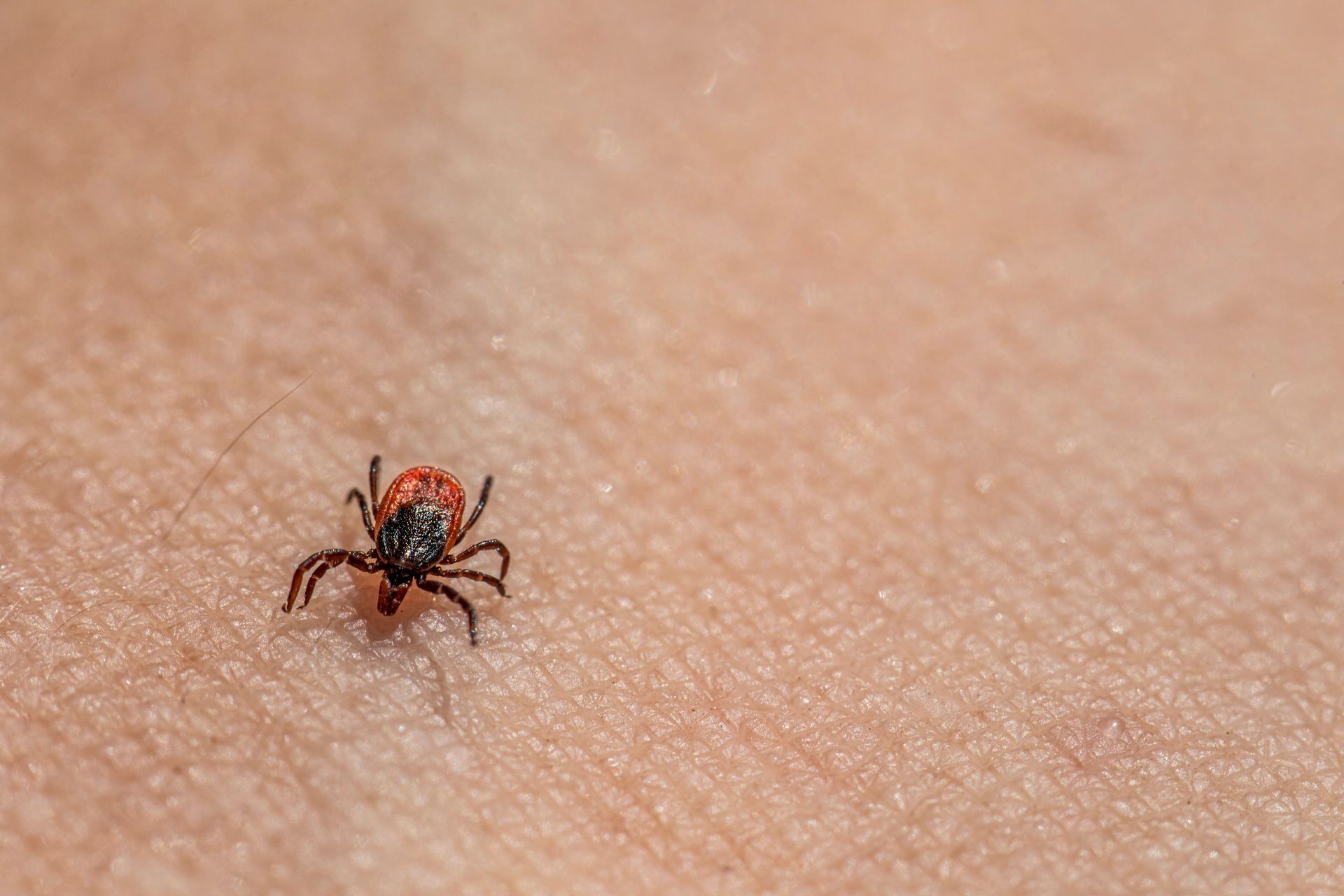
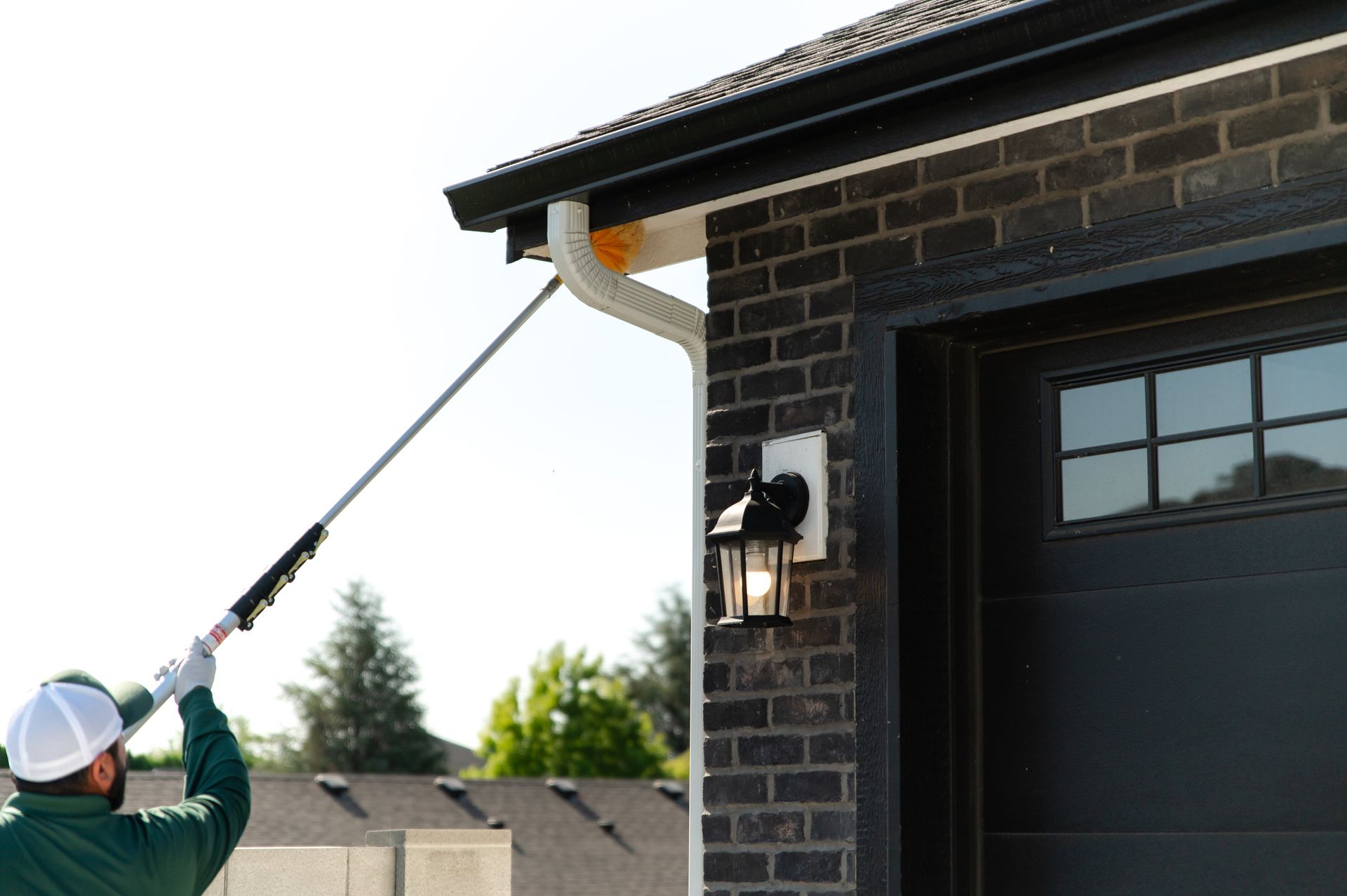
Signs of Active and Past Pest Activity
One of the primary objectives of a pest inspection is to identify evidence that indicates current or previous pest presence. These signs are not always obvious and often appear in subtle forms that require trained observation.
- Physical evidence such as droppings, shed wings, gnaw marks, or insect trails, that signal active or recent activity
- Structural indicators, including damaged wood, hollow-sounding areas, or surface staining caused by pests or moisture
- Nest or harboring materials found in wall voids, attics, crawl spaces, or storage areas
- Odors or residue that suggest long-term pest presence, especially in enclosed or poorly ventilated areas
Professionals distinguish between old, inactive signs and indicators of ongoing activity. This distinction matters because it affects the urgency, scope, and type of response required. For example, ant activity patterns vary significantly by species, behavior, and season. Understanding these differences allows inspections to focus on likely nesting zones rather than surface-level sightings alone, as discussed in this overview of common local ants.
Structural Features and Entry Points Under Review
Beyond visible pest evidence, pest inspections place strong emphasis on how pests may be entering or moving through a structure. Many infestations begin outside and progress indoors through small, overlooked access points.
- Cracks, gaps, and expansion joints around foundations, siding, and utility penetrations
- Doors and windows with damaged seals, worn thresholds, or misalignment
- Rooflines and vents that allow access to attics or upper wall cavities
- Plumbing and electrical entry points that connect exterior environments to interior spaces
Inspectors evaluate these features in relation to pest behavior. Rodents, insects, and spiders exploit different types of openings, and even small gaps can provide sufficient access. A professional pest inspection considers how entry points align with travel paths, moisture sources, and nesting areas, rather than treating each opening in isolation.
Environmental Conditions That Attract Pests
Environmental factors often play a decisive role in pest activity. Pest inspections assess the conditions surrounding a structure that may support or encourage infestations over time.
- Moisture sources such as poor drainage, leaking fixtures, or condensation, support insect survival
- Vegetation and landscaping that create shaded, damp zones close to structures
- Debris and storage practices that provide shelter and nesting opportunities
- Soil contact and grading issues that allow pests direct access to structural materials
These conditions may not cause immediate problems but can steadily increase risk if left unaddressed. Professional inspections evaluate how environmental factors interact with the structure itself. This approach helps explain why certain properties experience recurring pest issues while others do not, even within the same neighborhood.
Species Identification and Behavior Assessment
Correctly identifying pest species is a critical part of any pest inspection. Different pests require different management strategies, and misidentification can lead to ineffective outcomes. Professionals rely on physical characteristics, activity patterns, and environmental clues to determine species and behavior.
Species identification also involves understanding life cycles, nesting preferences, and seasonal movement. For example, some insects are more visible during specific times of year, while others remain hidden until conditions shift. Inspectors assess whether activity is localized or widespread and whether populations are likely to expand without intervention.
This level of analysis is especially important in residential environments where multiple pest pressures may exist at the same time. Professional assessments help clarify which issues pose immediate risk and which require monitoring. Broader considerations about service planning and long-term protection are discussed in this resource on professional pest services, which highlights the value of structured expertise in residential settings.
Documentation, Risk Evaluation, and Professional Judgment
The final phase of a pest inspection involves documentation and interpretation. Findings are recorded to establish a clear picture of current conditions, risk factors, and potential progression. This documentation supports informed decision-making rather than reactive responses.
Professional judgment plays a key role at this stage. Inspectors weigh the severity of findings, the likelihood of future activity, and the interaction between environmental and structural factors. Recommendations are based on evidence, patterns, and experience rather than assumptions. This approach helps prioritize actions and avoid unnecessary or ineffective measures.
A thorough pest inspection is not a one-size-fits-all checklist. It is a tailored evaluation shaped by property type, location, construction, and surrounding conditions. Professional insight ensures that conclusions are grounded in practical understanding rather than surface observations.
A Clearer Path to Confident Decisions
For those seeking clarity and accuracy from a professional pest inspection, experienced guidance makes a meaningful difference. Contact Bamboo Pest Control to schedule an inspection grounded in careful evaluation and informed expertise.