How Spring Rains Disrupt Ant Colonies
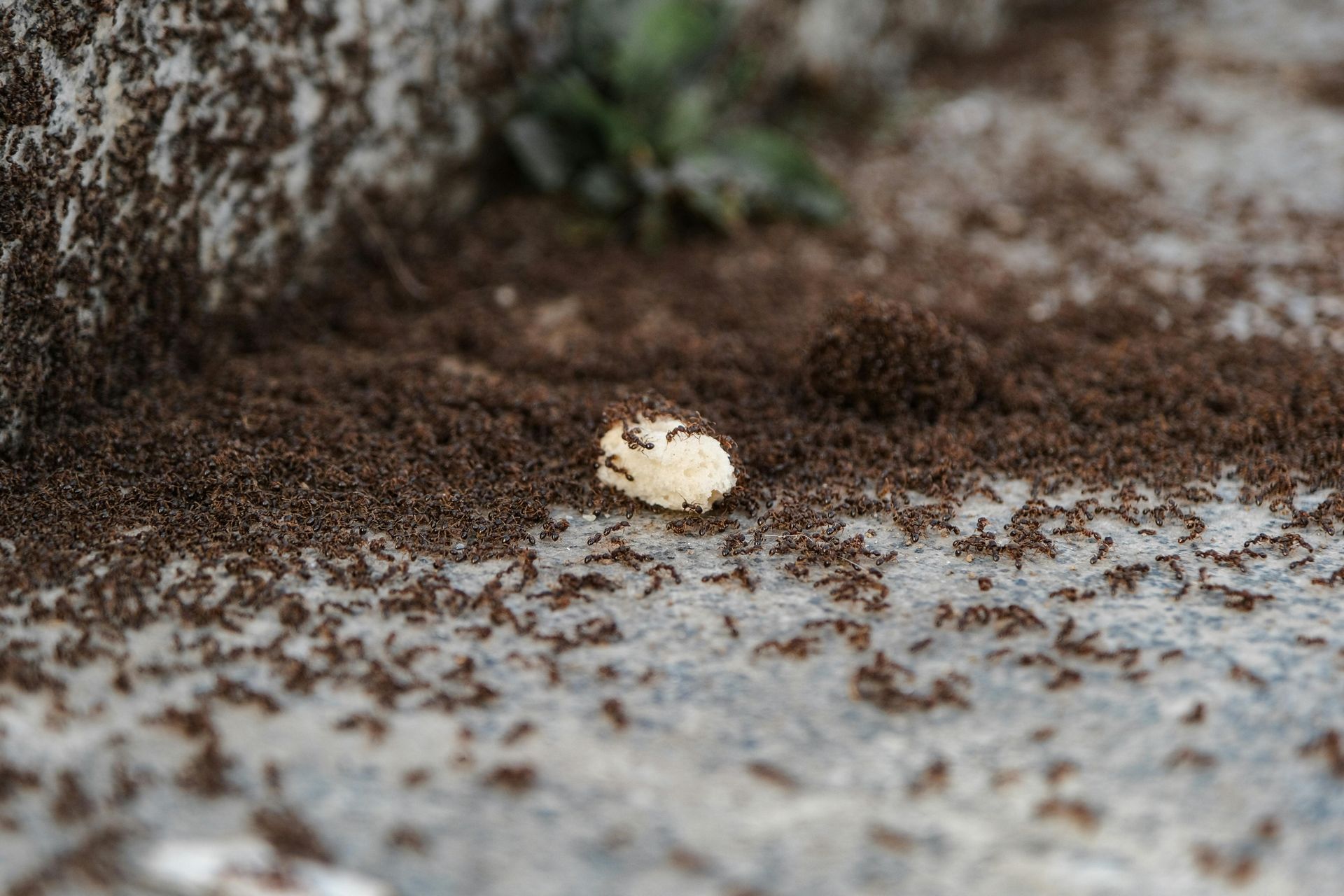
Ants rely on underground networks that are highly sensitive to moisture levels. Prolonged or heavy spring rains can flood nesting sites, collapse tunnels, and displace workers and queens. When that happens, colonies are forced to relocate or expand their foraging range.
Key effects of spring rainfall on ant behavior include:
- Flooded nests that push ants to seek higher, drier ground.
- Soil saturation that makes it easier for ants to tunnel toward foundations.
- Increased humidity that supports faster colony growth.
- Disrupted food sources outdoors that send ants searching indoors.
These shifts explain why ants often appear in kitchens, bathrooms, and basements shortly after consistent rain. Homes offer stable temperatures, dry shelter, and reliable access to food and water. Without addressing the source of the pressure, ant control becomes an ongoing challenge throughout the season.
Why Homes Become Prime Targets After Rain
Residential structures unintentionally provide everything ants need once outdoor conditions become unstable. Small gaps, moisture sources, and food residue create ideal conditions for exploration and trail formation.
Professionals often observe the following risk factors:
- Foundation cracks and expansion joints that allow easy entry.
- Plumbing penetrations and utility lines that act as ant highways.
- Moisture buildup indoors from leaks, condensation, or poor ventilation.
- Accessible food sources such as crumbs, pet bowls, and trash areas.
Once a few ants locate a suitable environment, chemical trails quickly attract more workers. This is why infestations seem to escalate overnight. Effective ant control depends on interrupting this process, not just reacting to visible ants.
The Types of Ants Most Active in Spring
Not all ants behave the same way. Spring conditions activate several species at once, each with different nesting habits and risks. Correct identification matters because treatment strategies vary based on species behavior.
Common spring active ants include:
- Odorous house ants that form long indoor trails toward food and moisture.
- Pavement ants that nest under slabs and migrate indoors during rain.
- Carpenter ants that exploit damp or damaged wood.
- Moisture ants that thrive in high-humidity areas.
A closer look at regional species, including those frequently found in residential areas, is outlined in common ant species. Understanding which ants are present helps explain why some infestations persist despite repeated cleaning or surface treatments.
Why Seasonal Ant Problems Rarely Resolve on Their Own
Many homeowners assume ant activity will subside once the weather stabilizes. In reality, spring rain often sets the stage for long-term issues. Colonies that successfully establish indoor foraging routes may remain active well into summer.
Several factors contribute to ongoing infestations:
- Satellite nesting where colonies split and spread into walls or voids.
- Reinforced scent trails that remain active even after rain stops.
- Unaddressed exterior conditions that continue to support colonies.
- Lack of monitoring that allows populations to rebuild unnoticed.
Ant control is most effective when it accounts for these long-term behaviors. Simply waiting out the season often results in recurring activity and expanding infestations that become harder to manage over time.
Why Professional Ant Control Is Built Around Timing and Strategy
Spring is not just a busy season for ants. It is a critical window for control. Professionals focus on timing, inspection, and targeted strategies that interrupt colony growth rather than chasing individual ants.
From an expert standpoint, effective ant control includes:
- Identifying nesting zones both indoors and outdoors.
- Targeting colonies at their source instead of relying on surface treatments.
- Addressing moisture and access points that attract ants after rainfall.
- Monitoring activity patterns to adjust treatments as conditions change.
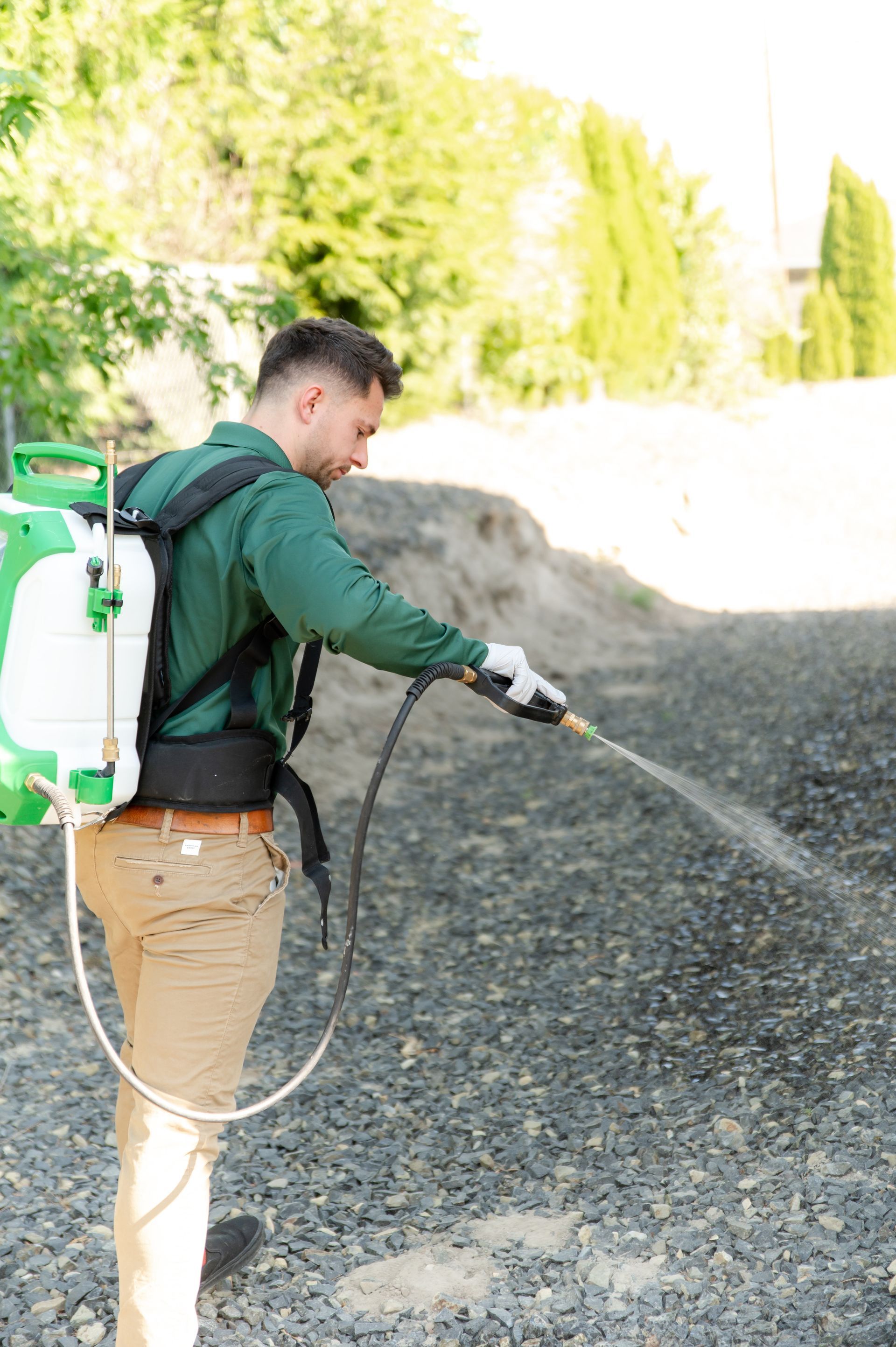
Residential environments require a measured approach that balances effectiveness and safety. Guidance from experienced professionals helps ensure that treatments remain precise, efficient, and aligned with the realities of seasonal pest pressure. A broader view of how residential pest management works across different regions can be found in residential pest experts, which highlights the importance of structured planning rather than reactive responses.
Spring rains may trigger ant activity, but lasting solutions depend on understanding why ants move, where they settle, and how colonies adapt. When these factors are addressed together, control efforts become more predictable and sustainable.
A Smarter Way To Stay Ahead Of Ant Season
Spring ant activity is rarely random. It follows patterns shaped by moisture, shelter, and opportunity. For homeowners looking to stay ahead of seasonal infestations, professional insight makes a meaningful difference. Contact Bamboo Pest Control to explore ant control solutions designed around timing, precision, and long-term protection.